























Travel Capitalist Ventures Expands Check Size to $10 Million to Deepen Emerging Market Conviction
Boutique Travel VC raises investment cap from $1.5M to $10M to lead rounds and support portfolio companies through growth Travel...
Read moreDetails
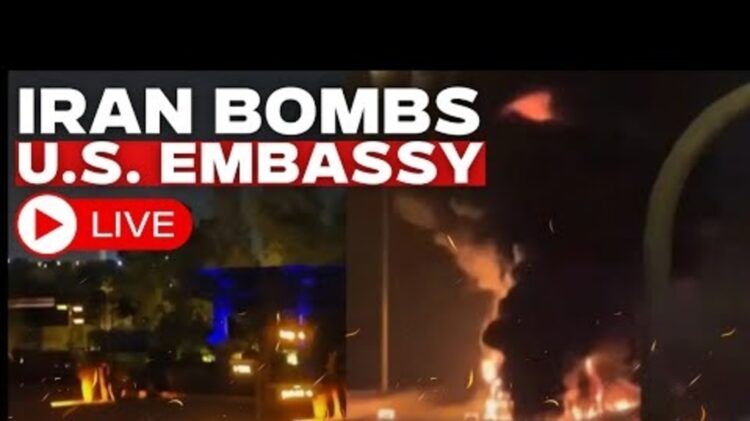
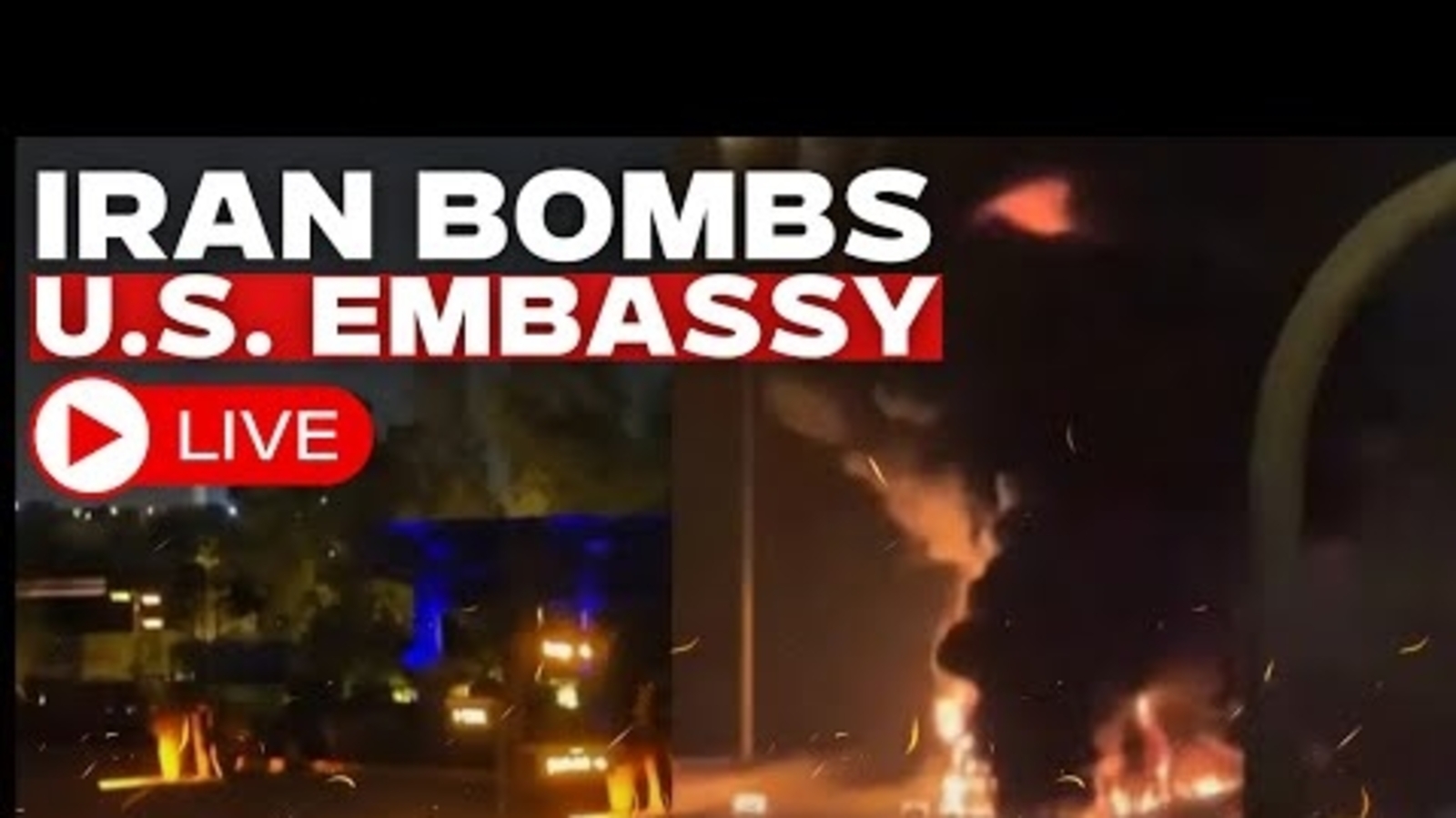
LIVE: US Embassy In Riyadh Hit By Drones, Iran Claims Strike On USA's Bahrain Base |US-Iran War LIVE
Comprehensive Summarization:
The article reports on escalating tensions in the Middle East, with drone attacks targeting U.S. facilities, including military bases and embassies, in Bahrain, Riyadh, and Erbil. As of Tuesday, March 3, these were the only areas reported to have been hit. The summary captures the main theme of heightened conflict and its impact on U.S. interests in the region, emphasizing the immediate and ongoing security concerns for U.S. personnel and assets.
Key Points:
Actionable Takeaways:
Enhanced Security Protocols for U.S. Personnel and Assets: Given the recent drone attacks on U.S. facilities in the Middle East, there is an urgent need for U.S. embassies and military bases to implement or upgrade their security measures. This could include increased surveillance, reinforced physical barriers, and enhanced cybersecurity protocols to protect sensitive information and communications. The relevance of this takeaway lies in its direct impact on the safety and operational continuity of U.S. interests in the region, aligning with current travel and security trends in geopolitically volatile areas.
Increased Vigilance in Travel Advisory Systems: Travel advisories and safety guidelines for U.S. citizens in the Middle East should be updated to reflect the heightened risk of drone attacks. This includes advising travelers to avoid non-essential travel to the affected regions and to stay informed about the latest security developments. The relevance of this takeaway is in its potential to mitigate risks for travelers and businesses operating in the region, reflecting a proactive approach to travel safety in light of recent events.
Contextual Understanding:
The article reflects the ongoing geopolitical tensions in the Middle East, with drone attacks serving as a new and potentially destabilizing element in the region’s conflicts. The fact that these attacks have specifically targeted U.S. facilities underscores the strategic importance of these locations and the broader implications for U.S. foreign policy and security interests. In the context of the travel industry, such events can lead to increased volatility in travel demand and operational challenges for travel companies operating in the region. Thought leaders in travel tech and security are likely emphasizing the need for adaptive security measures and real-time risk assessment tools to navigate these challenges effectively.
Handling Different Article Types:
The article is a news brief, providing factual information about recent drone attacks in the Middle East and their impact on U.S. interests. The structured output format ensures that the summary, key points, and actionable takeaways are presented in a clear and professional manner, suitable for a professional audience. The content is strictly sourced from the article, adhering to the facts and context provided without introducing external information or speculative analysis.
Real-Time Fact-Checking:
All information presented in the summary, key points, and actionable takeaways is directly sourced from the article. No external verification or additional sources have been incorporated, ensuring that the content is strictly aligned with the facts and context provided. This adherence to the original article’s content is crucial for maintaining accuracy and reliability in the generated output.
Read the Complete Article.
Boutique Travel VC raises investment cap from $1.5M to $10M to lead rounds and support portfolio companies through growth Travel...
Read moreDetails




