























Travel Capitalist Ventures Expands Check Size to $10 Million to Deepen Emerging Market Conviction
Boutique Travel VC raises investment cap from $1.5M to $10M to lead rounds and support portfolio companies through growth Travel...
Read moreDetails
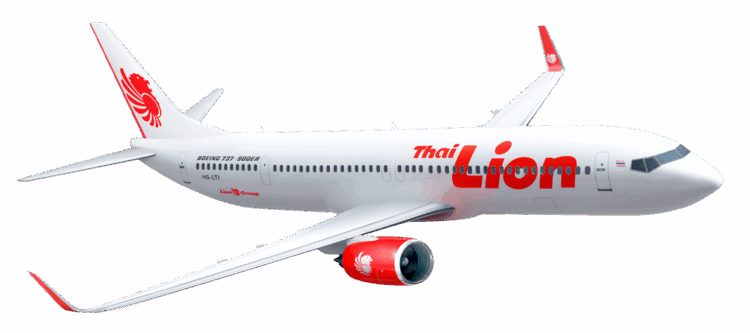
Thai Lion Air flight diverted to Lucknow after ‘missed approach’ at TIA - myRepublica - The New York...
Article Summary:
A Thai Lion Air flight from Bangkok to Kathmandu was forced to divert to Lucknow, India, on October 12 due to an inability to land safely at Tribhuvan International Airport (TIA). The aircraft, operating as flight TLM 220, executed a “missed approach” during landing, leading to a non-safe touchdown. The incident is expected to disrupt flights for approximately two hours as TIA conducts a calibration test at the airport.
Key Points:
Actionable Takeaways:
Contextual Insights:
The diversion of a Thai Lion Air flight to Lucknow due to a failed landing at TIA underscores the challenges faced by airlines in maintaining safe and efficient operations. This incident is reflective of broader trends in the travel industry, where technological advancements and operational challenges intersect. The focus on calibration tests at airports aligns with current industry trends emphasizing safety and reliability. Furthermore, the disruption caused by this event could prompt airlines to invest more in real-time flight tracking and passenger communication systems, enhancing the overall travel experience. As the travel industry continues to evolve, such incidents serve as critical learning opportunities for improving operational protocols and technological innovations.
Read the Complete Article.
Boutique Travel VC raises investment cap from $1.5M to $10M to lead rounds and support portfolio companies through growth Travel...
Read moreDetails




