




















Travel Capitalist Ventures Expands Check Size to $10 Million to Deepen Emerging Market Conviction
Boutique Travel VC raises investment cap from $1.5M to $10M to lead rounds and support portfolio companies through growth Travel...
Read moreDetails
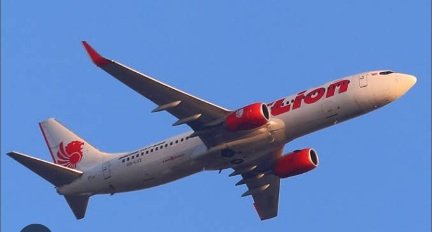
Consumer Commission raps Thai Lion Air for denying water to passengers, terms It ‘Violation of Basic...
Article Summary:
The District Consumer Disputes Redressal Commission in Kangra, Dharamshala, has found Thai Lion Air guilty of service deficiency and violation of human rights for denying drinking water to a passenger and his minor children during a six-hour flight from Amritsar to Bangkok. The Commission ordered the airline to pay Rs 1 lakh as compensation and Rs 2,527 as penalty. This incident highlights concerns over airline service standards and passenger rights in the travel industry.
Key Points:
Actionable Takeaways:
Contextual Insights:
The incident with Thai Lion Air reflects broader concerns within the travel industry regarding service quality and passenger rights. Recent trends indicate a shift towards more stringent regulatory oversight and consumer protection measures. Airlines are increasingly under pressure to enhance their service standards to meet evolving expectations. This case also highlights the potential for technology to play a role in improving service delivery, such as real-time communication systems to inform passengers about service limitations. As the industry continues to evolve, maintaining high service standards will be crucial for airlines to build and maintain trust with their customers.
Read the Complete Article.
Boutique Travel VC raises investment cap from $1.5M to $10M to lead rounds and support portfolio companies through growth Travel...
Read moreDetails




