






















Travel Capitalist Ventures Expands Check Size to $10 Million to Deepen Emerging Market Conviction
Boutique Travel VC raises investment cap from $1.5M to $10M to lead rounds and support portfolio companies through growth Travel...
Read moreDetails
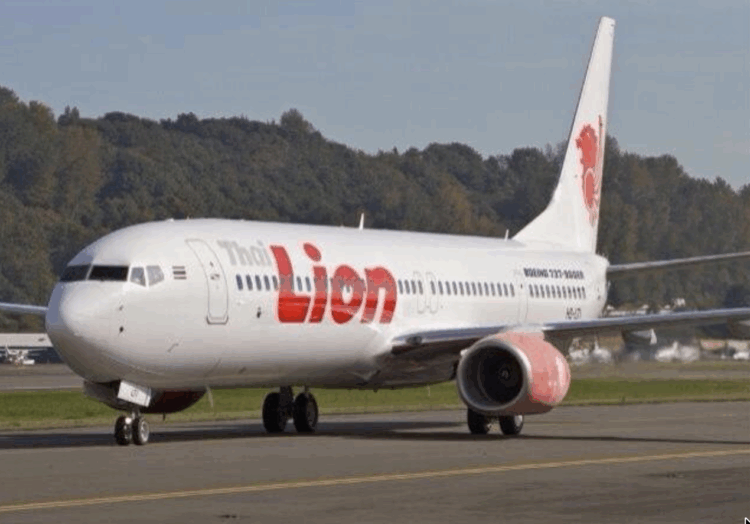
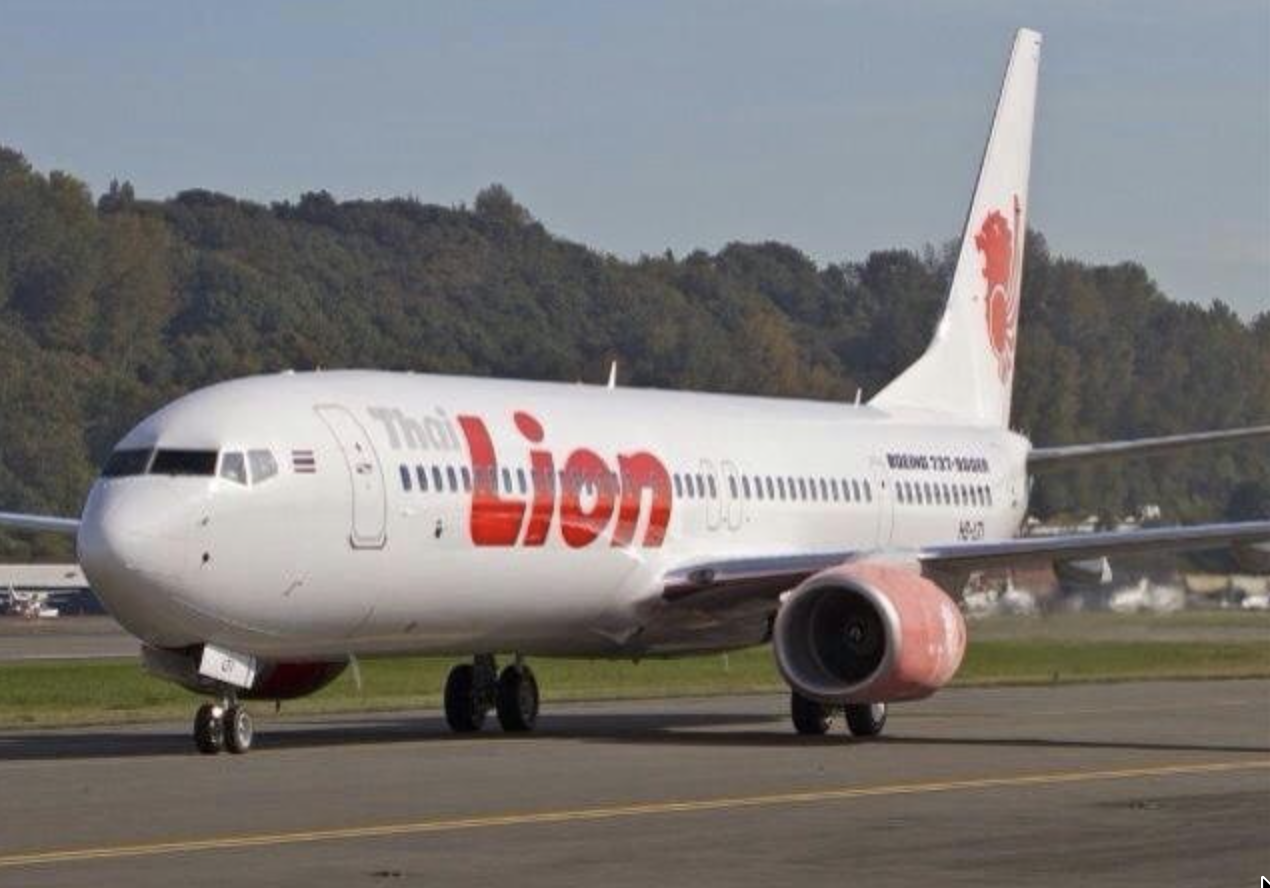
Photo credit: Thai Lion Air.
Comprehensive Summarization:
Thai Lion Air, a low-cost airline, will increase its daily flights between Bangkok (DMK) and Hong Kong (HKG) to 10 per week starting from 29 March 2026, as part of its Northern Summer season timetable. This increase is set to continue, reaching 14 flights per week by the end of March. The airline will be utilizing Boeing 737-900ER aircraft for this route. The announcement comes as part of the airline’s timetable filing for the summer season, which runs from March to October.
Key Points:
Actionable Takeaways:
Increased Flight Frequency: The increase in flight frequency from 5 to 14 flights per week could lead to enhanced connectivity between Bangkok and Hong Kong, potentially attracting more travelers and boosting tourism and business travel in the region. This move could also provide a competitive edge in the low-cost carrier market, encouraging other airlines to review their own route strategies.
Utilization of Boeing 737-900ER: The choice of Boeing 737-900ER aircraft for this route indicates a strategic decision to balance cost efficiency with passenger comfort and capacity. This could signal a trend among low-cost carriers to invest in newer, more fuel-efficient aircraft to meet growing demand while managing operational costs.
Contextual Insights:
The increase in flight frequency between Bangkok and Hong Kong aligns with broader trends in the travel industry towards enhancing connectivity in key Asian routes. As the region continues to be a major hub for both tourism and business travel, airlines are increasingly focusing on optimizing their schedules to meet demand. The adoption of newer aircraft models like the Boeing 737-900ER also reflects the industry’s ongoing commitment to sustainability and operational efficiency. For travel startups and fintech companies, this development presents opportunities in areas such as travel technology, route optimization software, and enhanced booking platforms, catering to the growing demand for seamless and efficient travel experiences.
Read the Complete Article.
Boutique Travel VC raises investment cap from $1.5M to $10M to lead rounds and support portfolio companies through growth Travel...
Read moreDetails




