







No products in the cart.
- Latest
- Trending

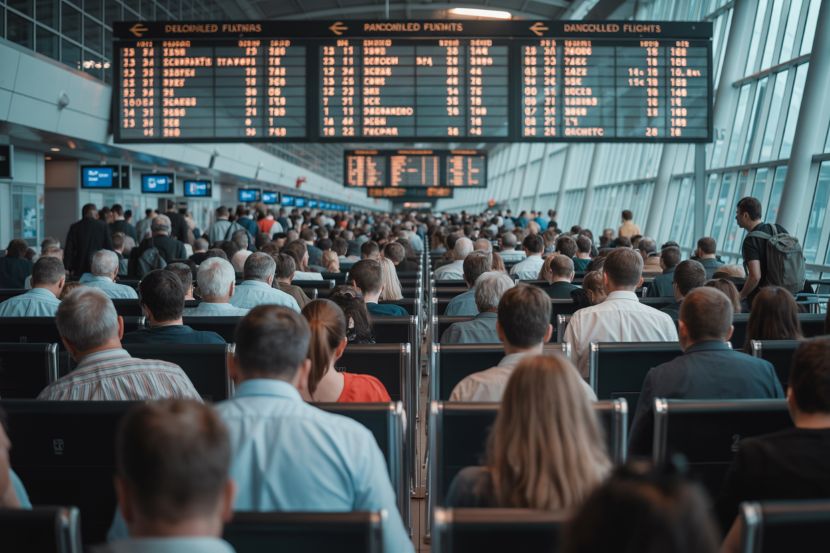
Thousands of Frustrated Passengers Stranded Across the US as 128 Flights Are Scrapped and 787 Delaye...
Comprehensive Summarization:
The article reports on significant disruptions in air travel across the United States, with 131 flight cancellations and 787 delays reported on March 9, 2026. These disruptions have affected major airports in New York, Chicago, and Atlanta, causing frustration among thousands of passengers. The disruptions highlight ongoing challenges in the travel industry, particularly in managing flight schedules and passenger expectations during adverse conditions.
Key Points:
Actionable Takeaways:
Enhanced Communication Strategies: Airlines should improve communication with passengers regarding flight status updates to mitigate frustration and maintain trust. This could involve real-time notifications through mobile apps or SMS alerts.
Investment in Technology: The article underscores the need for airlines to invest in advanced flight management systems and predictive analytics to better anticipate and mitigate disruptions. This could include AI-driven tools for real-time flight tracking and automated passenger notifications.
Focus on Customer Experience: Airlines should prioritize enhancing the passenger experience during disruptions, offering compensation or alternative travel options to retain customer loyalty. This could involve partnerships with hotels or car rental services to provide seamless recovery options for delayed passengers.
Contextual Insights:
The disruptions reported in the article reflect ongoing challenges within the U.S. travel industry, particularly in managing large-scale flight operations during peak travel periods. The recent surge in cancellations and delays highlights the importance of robust technological infrastructure and effective communication strategies. As the travel industry continues to evolve, innovations in travel tech and fintech are becoming increasingly critical. For instance, the integration of AI and machine learning in flight management systems can provide airlines with predictive insights, enabling proactive measures to prevent disruptions. Additionally, the rise of travel startups focused on enhancing customer experience through personalized services and seamless recovery options could offer airlines a competitive edge in managing future disruptions. These insights underscore the necessity for the travel industry to adapt to emerging trends and leverage technological advancements to ensure resilience and customer satisfaction.
Read the Complete Article.
Get curated travel AI insights — choose the newsletters that matter to you.
ALTOUR Expands into Thailand, Strengthening Corporate Travel Network Across Southeast Asia BANGKOK, THAILAND (25 March, 2026) – ALTOUR, a leading...
Read moreDetails


— In short: Global wellness tourism market projected to reach USD 1,682.8 Billion by 2034. Global Wellness Tourism Market Forecast...
Read moreDetails