



















Travel Capitalist Ventures Expands Check Size to $10 Million to Deepen Emerging Market Conviction
Boutique Travel VC raises investment cap from $1.5M to $10M to lead rounds and support portfolio companies through growth Travel...
Read moreDetails
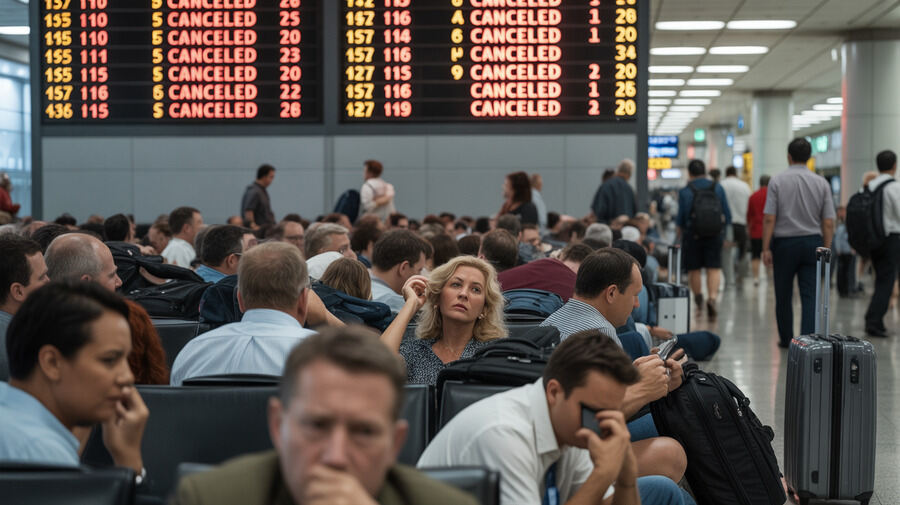
Hundreds Of Passengers Stranded In USA As American And United Airlines Delays 1423 And Cancel 30 Fli...
Comprehensive Summarization:
The article reports on significant disruptions caused by American Airlines and United Airlines, resulting in 1423 delayed flights and 30 cancellations across major U.S. cities including Philadelphia, Chicago, Nashville, Detroit, and Los Angeles. The disruptions were primarily due to a combination of weather-related challenges and operational issues. Published on February 3, 2026, the article highlights the impact on hundreds of passengers stranded across the United States, underscoring the vulnerabilities in the airline industry’s response to adverse conditions. The disruptions not only affect passenger travel but also highlight broader issues within the travel sector, such as the need for more resilient operational strategies and improved communication with travelers during crises.
Key Points:
Actionable Takeaways:
Enhance Operational Resilience: Airlines should invest in advanced predictive analytics and real-time monitoring systems to better anticipate and mitigate the impacts of weather-related disruptions. This proactive approach can minimize delays and cancellations, improving passenger satisfaction and operational efficiency.
Improve Communication Strategies: Airlines must enhance their communication protocols to promptly inform passengers of delays and cancellations. Clear, timely updates can help manage passenger expectations and reduce the stress associated with travel disruptions, thereby maintaining brand trust and loyalty.
Invest in Passenger Experience Technologies: Implementing technologies such as mobile apps with real-time flight tracking, personalized notifications, and flexible rebooking options can significantly enhance the passenger experience during disruptions. These technologies not only improve operational efficiency but also foster customer loyalty by demonstrating a commitment to passenger well-being.
Contextual Insights:
The disruptions experienced by American Airlines and United Airlines reflect broader challenges within the travel industry, particularly in managing operational risks during adverse weather conditions. The article underscores the importance of technological innovation in travel tech, where real-time data analytics and AI-driven decision-making systems are becoming increasingly crucial. As the industry continues to evolve, startups focusing on travel disruption management and passenger experience technologies are likely to gain prominence. These innovations not only address immediate operational challenges but also position airlines to better navigate future uncertainties, such as climate change impacts on aviation routes and passenger behavior. By adopting these forward-looking strategies, airlines can enhance their resilience, improve customer satisfaction, and maintain a competitive edge in an increasingly dynamic market.
Read the Complete Article.
Boutique Travel VC raises investment cap from $1.5M to $10M to lead rounds and support portfolio companies through growth Travel...
Read moreDetails



Comprehensive Summarization: Riskified, a leader in ecommerce fraud and risk intelligence, has announced a strategic partnership with Outpayce, a travel...
Read moreDetails
