







No products in the cart.
- Latest
- Trending

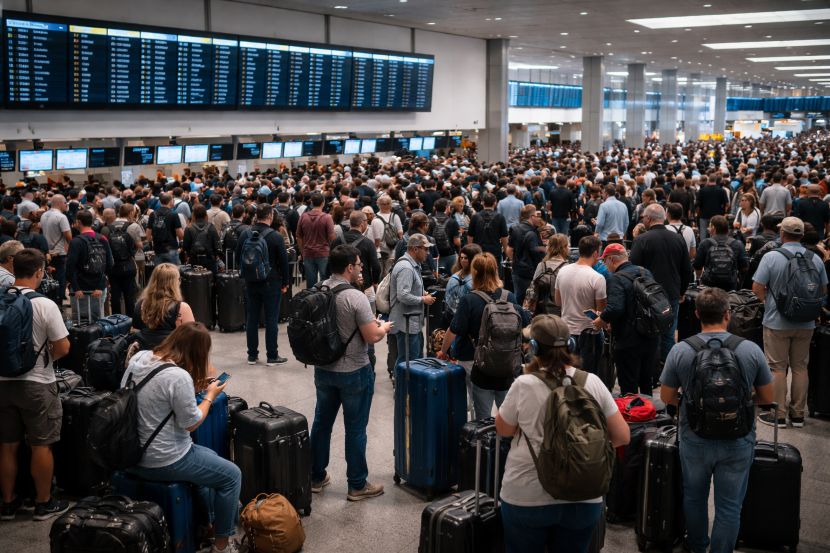
Travellers Left Isolated at Chicago O’Hare as United, American Airlines, and SkyWest Face 250 Delays...
Comprehensive Summarization:
On March 10, 2026, Chicago O’Hare International Airport experienced significant travel disruptions due to an unusual number of flight delays and cancellations. A total of 250 flights were delayed, and 15 flights were canceled, impacting travelers in major US cities including New York, Los Angeles, and London. The article, published on Travel and Tour World, highlights the extensive impact on travelers, emphasizing the challenges faced by airlines United, American Airlines, and SkyWest in managing these disruptions.
Key Points:
Actionable Takeaways:
Enhanced Communication Protocols: Airlines should implement more robust communication protocols to inform passengers about delays and cancellations promptly. This can help manage traveler expectations and reduce the stress associated with travel disruptions.
Investment in Technology: The article highlights the need for airlines to invest in advanced technology for real-time flight tracking and management. Such innovations can help airlines better predict and mitigate disruptions, improving overall operational efficiency.
Collaborative Solutions: There is a clear need for collaboration among airlines, airports, and regulatory bodies to develop standardized procedures for handling large-scale disruptions. This could include shared databases for real-time flight information and coordinated response strategies.
Contextual Insights:
The disruptions at Chicago O’Hare on March 10, 2026, highlight ongoing challenges in the travel industry, particularly in managing large-scale operational issues. The article reflects current trends in travel tech, where airlines are increasingly relying on technology to manage flight operations. Thought leaders in the industry emphasize the importance of real-time data and communication in maintaining passenger trust and operational efficiency. The disruptions also underscore the need for airlines to invest in technologies that can predict and prevent such issues, aligning with the broader trend of digital transformation in travel services. Additionally, the article points to the importance of collaborative efforts among industry stakeholders to develop standardized protocols for handling disruptions, reflecting a growing emphasis on industry-wide solutions in the face of technological and operational challenges.
Read the Complete Article.
Get curated travel AI insights — choose the newsletters that matter to you.
ALTOUR Expands into Thailand, Strengthening Corporate Travel Network Across Southeast Asia BANGKOK, THAILAND (25 March, 2026) – ALTOUR, a leading...
Read moreDetails


— In short: Global wellness tourism market projected to reach USD 1,682.8 Billion by 2034. Global Wellness Tourism Market Forecast...
Read moreDetails