Comprehensive Summarization:
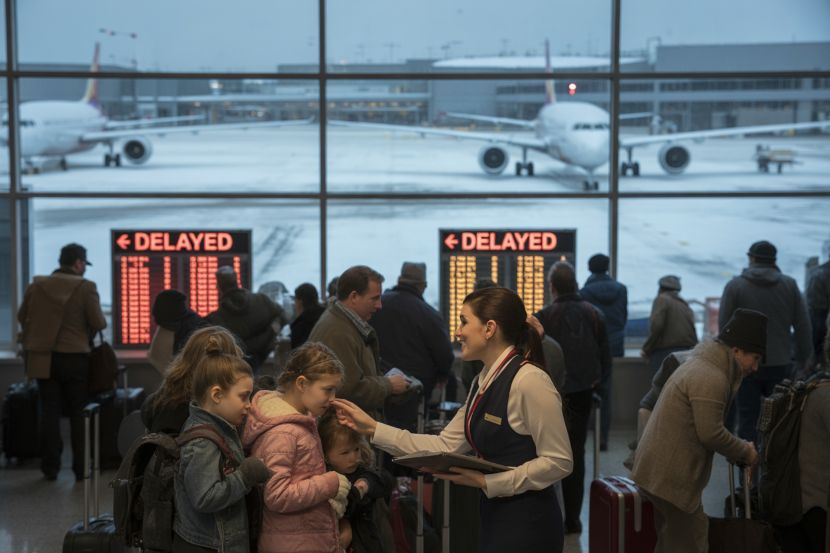
The article reports on significant disruptions in air travel across the United States, particularly affecting major hubs such as Hartsfield-Jackson Atlanta International Airport, Los Angeles International Airport (LAX), and Toronto Pearson International Airport. On February 9, 2026, a total of 37 flights were canceled, and 432 flights were delayed. The primary impact was felt by Air Canada and United Airlines, which bore the brunt of these operational issues. The article emphasizes the importance of travelers understanding their rights and exploring alternative travel options in light of these disruptions. The context provided highlights the ongoing challenges in the travel industry, particularly in managing flight schedules and ensuring passenger safety and satisfaction during turbulent times.
Key Points:
- Flight Disruptions: A substantial number of flights (37 cancellations and 432 delays) were affected across major U.S. airports, with a notable impact on Air Canada and United Airlines.
- Geographic Focus: The disruptions were most severe at Hartsfield-Jackson Atlanta International Airport, LAX, and Toronto Pearson International Airport.
- Traveler Rights: The article stresses the importance of travelers being aware of their rights and considering alternative travel arrangements due to the significant disruptions.
- Current Context: The disruptions are part of ongoing challenges in the travel industry, highlighting the need for effective management of flight schedules and passenger communication.
Actionable Takeaways:
-
Monitor Flight Status: Travelers should regularly check the status of their flights, especially if they are scheduled to depart from or arrive at Hartsfield-Jackson Atlanta International Airport, LAX, or Toronto Pearson International Airport. This proactive approach can help in planning alternative travel arrangements in case of further delays or cancellations.
-
Understand Passenger Rights: Familiarize yourself with the rights and compensation options available to passengers in case of flight disruptions. This knowledge can empower travelers to advocate for themselves and seek appropriate remedies when faced with significant delays or cancellations.
-
Explore Alternative Travel Options: Given the widespread disruptions, consider exploring alternative travel options such as different airlines, routes, or dates. This flexibility can help mitigate the impact of flight disruptions on travel plans and ensure continued access to desired destinations.
Contextual Insights:
The article reflects the ongoing challenges faced by the travel industry, particularly in managing flight schedules and ensuring passenger safety and satisfaction during turbulent times. The disruptions highlight the importance of robust operational planning and communication strategies within the industry. As the travel sector continues to recover from recent challenges, innovations in travel tech and improved passenger communication systems will likely play a crucial role in enhancing resilience and adaptability. The focus on traveler rights and alternative travel options underscores a broader trend towards greater transparency and customer-centric approaches in the industry. These insights are particularly relevant for professionals in the travel sector, as they emphasize the need for continuous adaptation to emerging challenges and the integration of advanced technologies to enhance operational efficiency and customer experience.
Read the Complete Article.