







No products in the cart.
- Latest
- Trending


Comprehensive Summarization:
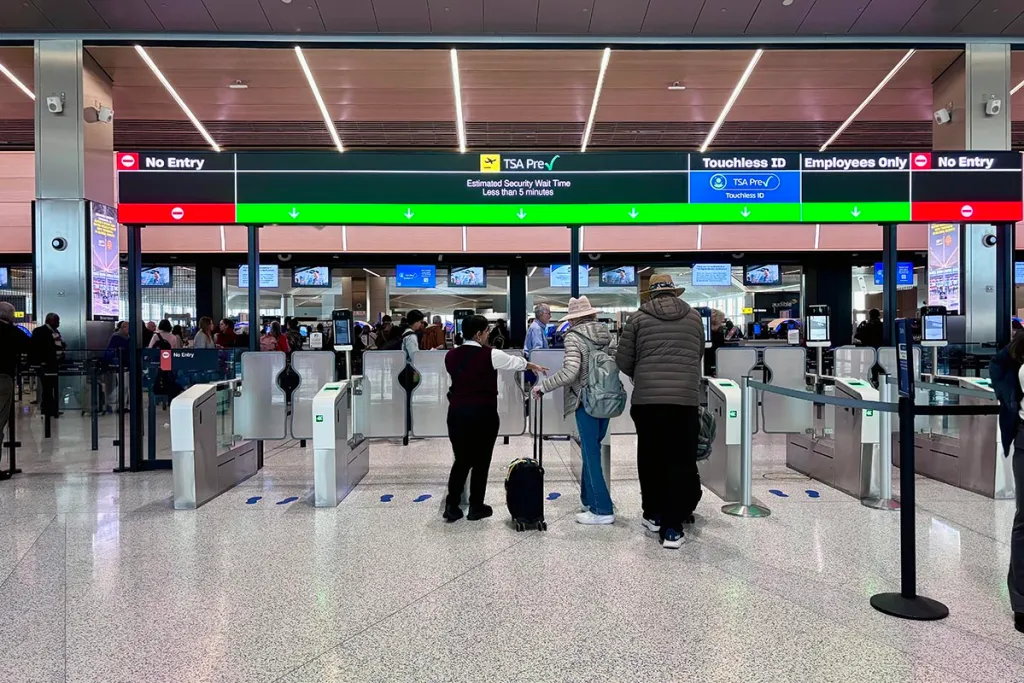
The article reports on significant disruptions in air travel across the United States, affecting major airports such as Boston Logan, Chicago Midway, Philadelphia, Nashville, Reagan National, Hartsfield-Jackson Atlanta, and San Francisco International Airport. The disruptions are attributed to 66 flights being canceled and 294 flights experiencing delays. This situation highlights the vulnerabilities in the air travel infrastructure and the challenges faced by passengers and airlines in managing such disruptions. The article underscores the importance of robust travel tech solutions, innovations in the travel sector, and the need for effective communication strategies to mitigate the impact on travelers.
Key Points:
Actionable Takeaways:
Invest in Travel Tech Solutions: Airlines and airports should invest in advanced travel tech solutions to enhance operational efficiency and improve passenger communication during disruptions. This can help in managing flight cancellations and delays more effectively, reducing the overall impact on travelers.
Enhance Communication Strategies: Implementing real-time communication strategies to inform passengers about flight status changes can mitigate the inconvenience caused by disruptions. This includes proactive updates via mobile apps, email notifications, and airport announcements.
Focus on Resilience in Air Travel Infrastructure: The article underscores the need for a more resilient air travel infrastructure. This could involve redundancy in flight schedules, backup operational plans, and investment in technologies that can predict and mitigate potential disruptions before they occur.
Contextual Insights:
The disruptions in air travel, as reported in the article, are indicative of broader challenges faced by the travel industry in managing operational complexities. Recent trends indicate a growing reliance on technology to enhance operational efficiency and passenger experience. Innovations in travel tech, such as AI-driven predictive analytics and real-time communication platforms, are becoming increasingly vital. Startups in the travel sector are focusing on developing solutions that address these challenges, including advanced flight tracking systems and integrated communication platforms. The article also reflects the importance of fintech innovations in managing the financial implications of travel disruptions, such as providing seamless reimbursement processes for delayed or canceled flights. As the travel industry continues to evolve, the integration of these technologies and strategies will be crucial in ensuring a smoother travel experience for passengers.
Read the Complete Article.
Get curated travel AI insights — choose the newsletters that matter to you.
ALTOUR Expands into Thailand, Strengthening Corporate Travel Network Across Southeast Asia BANGKOK, THAILAND (25 March, 2026) – ALTOUR, a leading...
Read moreDetails

Comprehensive Summarization: The article reports on significant disruptions in air travel across the United States, affecting major airports such as...
Read moreDetails