Comprehensive Summarization:
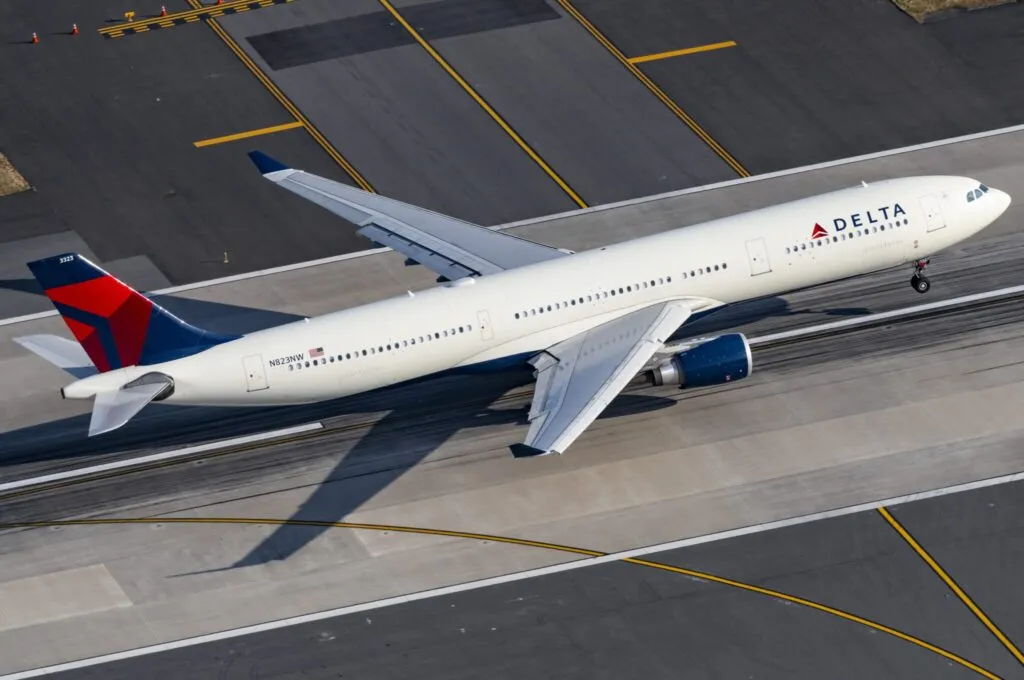
United Airlines has announced plans to cut approximately five percent of its flights across its network due to escalating fuel costs, exacerbated by the ongoing conflict between the US and Iran. This decision comes as the airline seeks to manage operational costs amid geopolitical tensions. The move is part of a broader industry trend where airlines are reassessing their routes and schedules in response to rising operational expenses. The article, published on March 23, 2026, and updated on March 30, 2026, highlights the challenges faced by the aviation sector in balancing financial sustainability with the impacts of global political events.
Key Points:
- United Airlines plans to reduce its flight network by about five percent due to rising fuel costs.
- The decision is influenced by the US-Israeli conflict with Iran, which has heightened fuel costs.
- The airline aims to manage operational costs amid geopolitical uncertainties.
- The article was published on March 23, 2026, and updated on March 30, 2026, indicating recent developments in the airline industry.
Actionable Takeaways:
-
Cost Management Strategies: Airlines should explore cost management strategies, such as optimizing flight routes and schedules, to mitigate the impact of rising fuel costs. This could involve analyzing demand patterns and adjusting operations accordingly to maintain profitability.
-
Geopolitical Risk Assessment: Companies in the travel industry should enhance their risk assessment frameworks to account for geopolitical events. This includes monitoring international relations and potential conflicts that could affect travel routes and fuel prices, allowing for proactive adjustments to business strategies.
-
Investment in Sustainable Aviation Fuels: There is a growing trend towards investing in sustainable aviation fuels (SAFs) as a means to reduce operational costs and environmental impact. Airlines could explore partnerships with fuel suppliers and adopt SAFs to offset rising fuel expenses while aligning with sustainability goals.
Contextual Insights:
The decision by United Airlines to cut flights reflects a broader industry response to the dual pressures of rising fuel costs and geopolitical tensions. In recent years, the travel industry has witnessed increased volatility due to factors such as pandemics, economic downturns, and geopolitical conflicts. The current situation underscores the importance of adaptability and resilience in business planning. As airlines navigate these challenges, there is a growing emphasis on leveraging technology and innovation to optimize operations and enhance customer experiences. For instance, advancements in route optimization software and the adoption of sustainable aviation fuels are becoming increasingly relevant. These developments not only address cost pressures but also align with the industry’s push towards sustainability, a key concern for both consumers and regulators. By integrating these insights, the travel sector can better position itself to withstand future uncertainties and capitalize on emerging opportunities.
Read the Complete Article.







![Park Chang-jin, head of the KAC Airport Service Planning Division, is expressing his feelings about taking office. [KAC Airport Service]](https://images.traveltrade.today/wp-content/uploads/2026/04/Park-Chang-jin-Exposes-Nut-Rage-Incident-at-Korean-Air.jpg)