






No products in the cart.
- Latest
- Trending


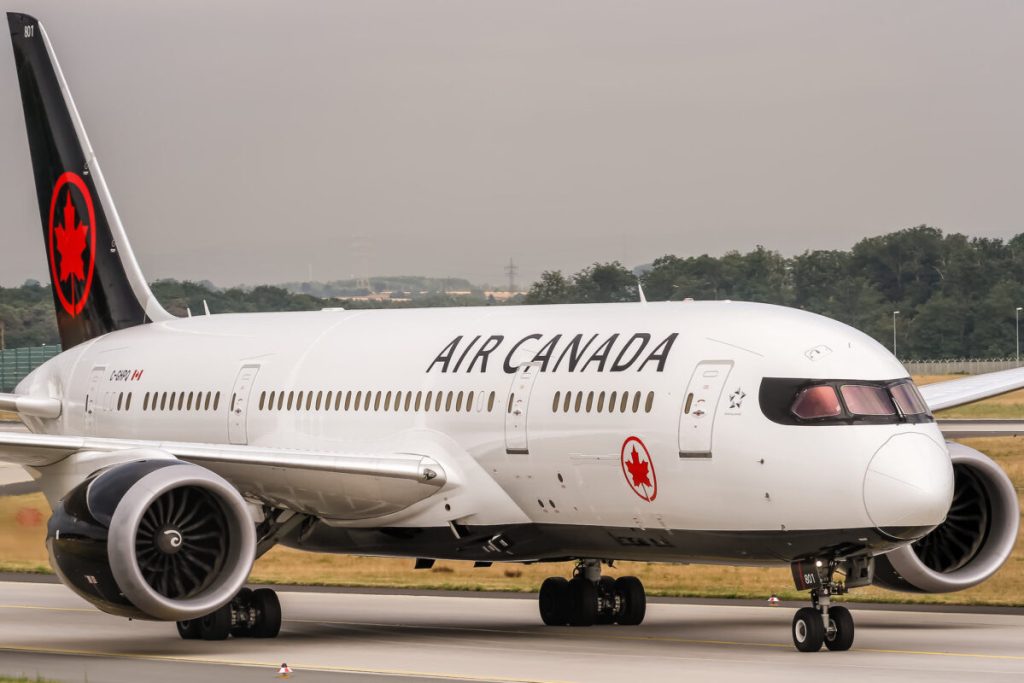
Delta, United Airlines Cause Furor With New Practice
Delta Air Lines and United Airlines are facing considerable backlash after significantly increasing the fees charged to merchants when customers use certain co-branded credit cards. This move, reported extensively this week, has ignited fury amongst retailers and businesses already grappling with thin profit margins. The increased “swipe fees,” officially known as interchange fees, could ultimately lead to higher prices for consumers.
The core of the issue lies in the interchange fees, which are paid by merchants to banks and payment networks (like Visa and Mastercard) each time a credit card is used. These fees cover the costs associated with processing transactions, fraud prevention, and providing rewards programs. However, businesses argue that these fees, especially on premium co-branded cards offering lucrative airline miles and points, are excessively high.
Delta and United contend that the increased fees are necessary to offset the costs of maintaining their popular loyalty programs and providing attractive rewards to cardholders. These programs are crucial for customer retention and drive significant revenue for the airlines. The airlines argue that the value proposition for consumers remains strong, justifying the increased cost to merchants.
Small businesses are particularly vulnerable to these increased fees. Unlike large corporations, they often lack the negotiating power to secure lower rates. This disparity creates an uneven playing field and forces small businesses to absorb the costs or pass them on to consumers, potentially impacting their competitiveness.
The debate surrounding interchange fees is not new. Retailers have long argued for greater transparency and regulation of these fees. Some advocacy groups are calling for legislative action to cap interchange fees, arguing that they are a hidden tax on consumers and businesses alike. The controversy surrounding Delta and United’s recent fee hikes is likely to reignite this debate and put pressure on lawmakers to address the issue. Ultimately, the dispute highlights the complex relationship between airlines, credit card companies, merchants, and consumers, and the ongoing struggle to balance the costs and benefits of credit card rewards programs.
Key Points:
Read the Complete Article.
Get curated travel AI insights — choose the newsletters that matter to you.
ALTOUR Expands into Thailand, Strengthening Corporate Travel Network Across Southeast Asia BANGKOK, THAILAND (25 March, 2026) – ALTOUR, a leading...
Read moreDetails


Bali — March 31, 2026 In short: Bali joins Thailand, Philippines, and Thailand as a top wellness retreat destination in...
Read moreDetails