







No products in the cart.
- Latest
- Trending

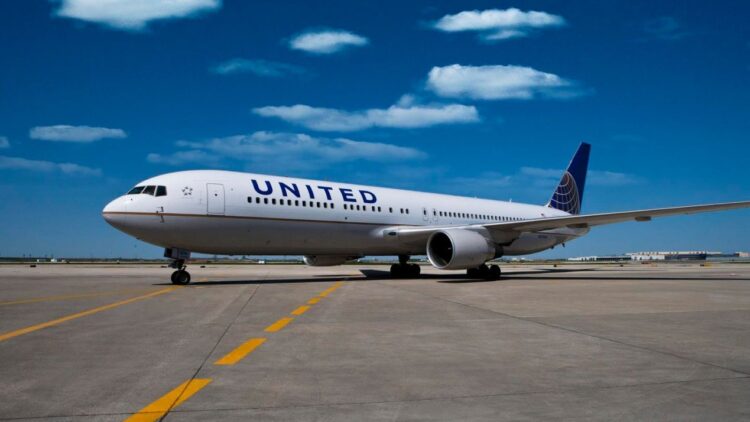
United Unveils Largest Summer Schedule at Chicago O’Hare
Comprehensive Summarization:
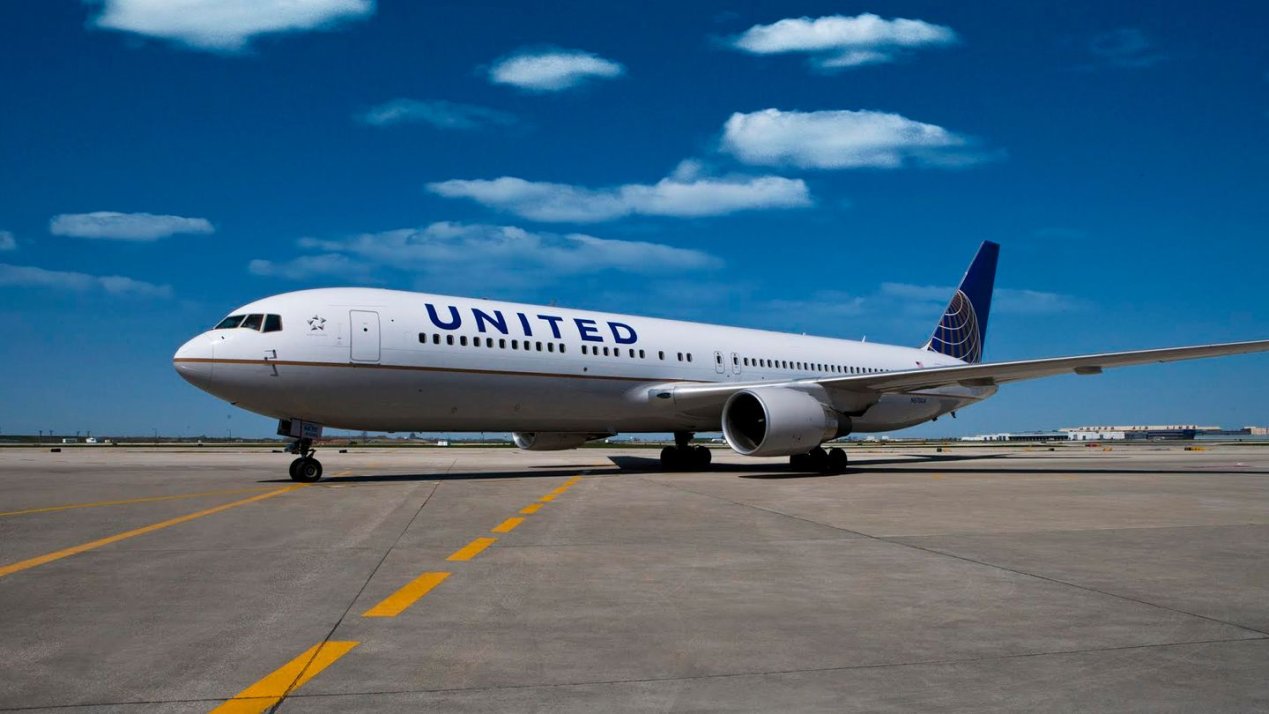
United Airlines has announced its largest-ever summer schedule at Chicago O’Hare International Airport, planning up to 750 daily departures. This significant increase of nearly 170 daily flights compared to the same period last year marks an intensification of competition with American Airlines for gates, traffic, and higher-yield corporate travelers. The move is set to begin this summer, representing a strategic effort to dominate one of the most important hubs in the United States. The article also touches upon the broader travel industry trends and insights from thought leaders, highlighting the competitive dynamics and strategic planning within the airline sector.
Key Points:
Actionable Takeaways:
Increased Fleet Capacity and Market Dominance: United Airlines’ expansion of its summer schedule indicates a strategic move to increase fleet capacity and solidify its market dominance at Chicago O’Hare. This move could lead to improved service offerings and potentially lower fares for corporate travelers, thereby attracting more business traffic to the airport.
Intensified Competition Dynamics: The intensified competition with American Airlines for gates and traffic at O’Hare could drive further innovations in operational efficiency and customer service. Airlines may invest more in technology and customer experience enhancements to gain a competitive edge, influencing the broader travel industry’s operational standards.
Corporate Traveler Targeting: By focusing on higher-yield corporate travelers, United Airlines is likely to tailor its services to meet the specific needs of business travelers. This could include improved connectivity, flexible scheduling, and enhanced amenities, setting a trend for other airlines to follow in targeting this lucrative segment of the market.
Contextual Insights:
The article’s context is deeply rooted in the ongoing competitive dynamics within the airline industry, particularly at major U.S. hubs like Chicago O’Hare. The expansion of United Airlines’ summer schedule reflects broader industry trends where airlines are increasingly focusing on strategic expansion to capture market share and enhance their service offerings. This move aligns with the current travel industry’s emphasis on operational efficiency, customer experience, and targeted marketing strategies to attract corporate travelers. Furthermore, the article’s integration of insights from thought leaders underscores the importance of data-driven decision-making and technological innovation in shaping future travel trends. As airlines continue to compete for market dominance, the focus on enhancing operational capabilities and customer satisfaction will likely remain a key driver of industry evolution.
Read the Complete Article.
Get curated travel AI insights — choose the newsletters that matter to you.
ALTOUR Expands into Thailand, Strengthening Corporate Travel Network Across Southeast Asia BANGKOK, THAILAND (25 March, 2026) – ALTOUR, a leading...
Read moreDetails


Comprehensive Summarization: The article reports significant travel disruptions at Nashville International Airport (BNA) on a specific day, with 103 delays...
Read moreDetails