







No products in the cart.
- Latest
- Trending


Canada Warns Against Non-Essential Travel to India
Comprehensive Summarization:
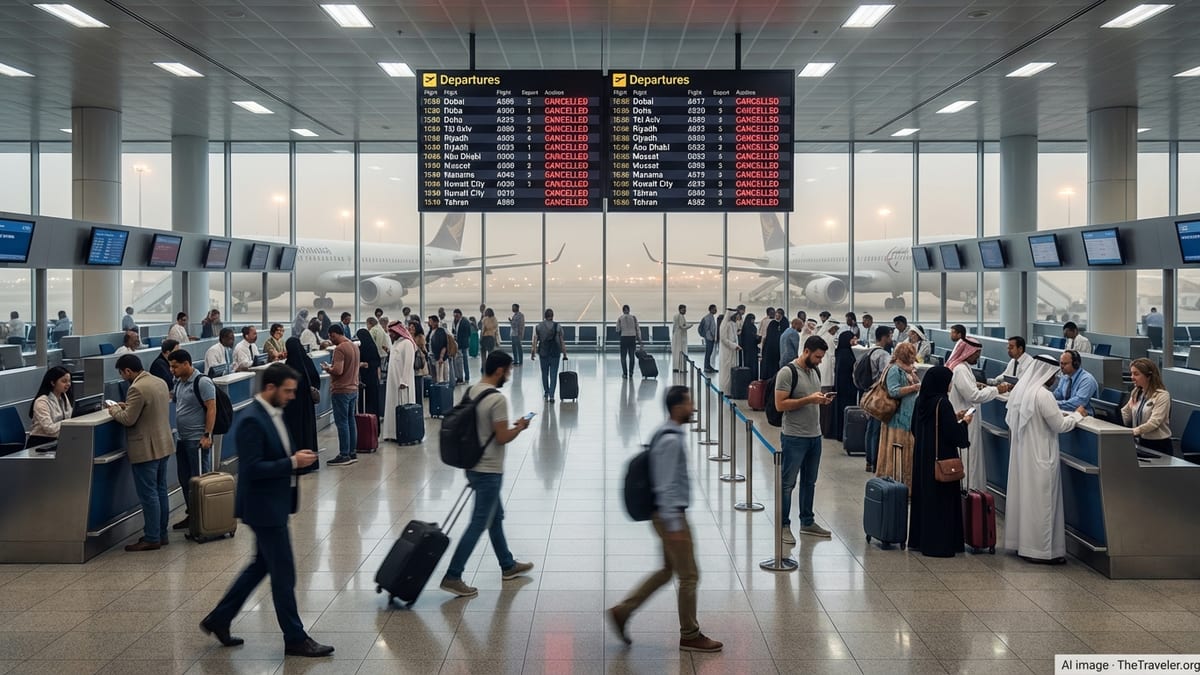
Canada has classified India as a “avoid non-essential travel” destination, significantly impacting transcontinental travel patterns. This decision has led to a surge in flight cancellations, schedule changes, and uncertainty for passengers, particularly on routes operated by Air Canada, British Airways, and United Airlines. The advisory raises India to a higher-risk category, prompting a reevaluation of travel plans and potentially reshaping the travel landscape between Canada and India.
Key Points:
Actionable Takeaways:
Reevaluate Travel Plans: Travelers should reassess their travel plans to India, considering the advisory and potential flight disruptions. This includes checking airline websites for updates and exploring alternative destinations or travel dates.
Monitor Airline Notifications: Passengers with bookings on Air Canada, British Airways, and United Airlines should closely monitor notifications from their airlines regarding flight status changes and cancellations. Proactive communication with airlines can help manage expectations and make necessary arrangements.
Explore Alternative Routes: Given the increased uncertainty, travelers might consider exploring alternative routes or modes of transportation. This could include looking into flights to neighboring countries or considering land-based travel options if feasible.
Contextual Insights:
The classification of India as a “avoid non-essential travel” destination reflects broader global travel advisories and the ongoing impact of geopolitical and health-related uncertainties on international travel. This decision underscores the importance of real-time information and adaptability in the travel industry. As travel patterns shift, airlines and travel agencies must enhance their communication strategies to keep passengers informed and manage expectations effectively. The situation also highlights the need for robust contingency plans within the travel sector to mitigate the impact of such advisories on passenger experience and operational efficiency. Looking ahead, the travel industry may see increased investment in technology-driven solutions for real-time updates and customer support, reflecting a trend towards more resilient and responsive travel services.
Read the Complete Article.
Get curated travel AI insights — choose the newsletters that matter to you.
ALTOUR Expands into Thailand, Strengthening Corporate Travel Network Across Southeast Asia BANGKOK, THAILAND (25 March, 2026) – ALTOUR, a leading...
Read moreDetails


Kuala Lumpur, Malaysia — August 14, 2023 In short: Malaysia’s tourism sector faces operational strain due to rising diesel prices,...
Read moreDetails