







No products in the cart.
- Latest
- Trending


Canada’s India Travel Warning Triggers Fresh Flight Disruptions
Comprehensive Summarization:
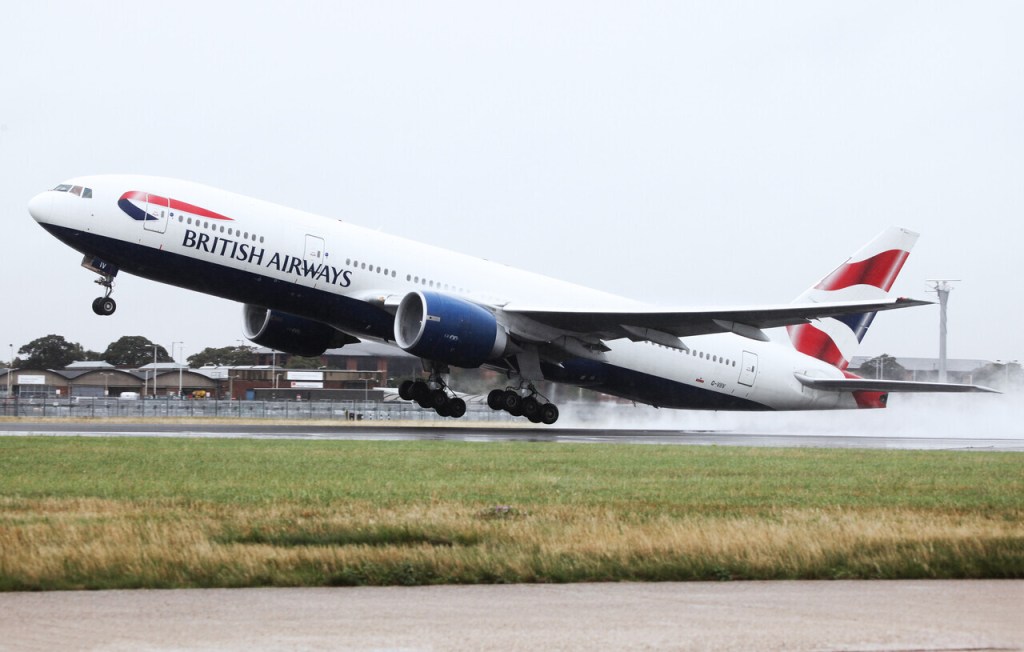
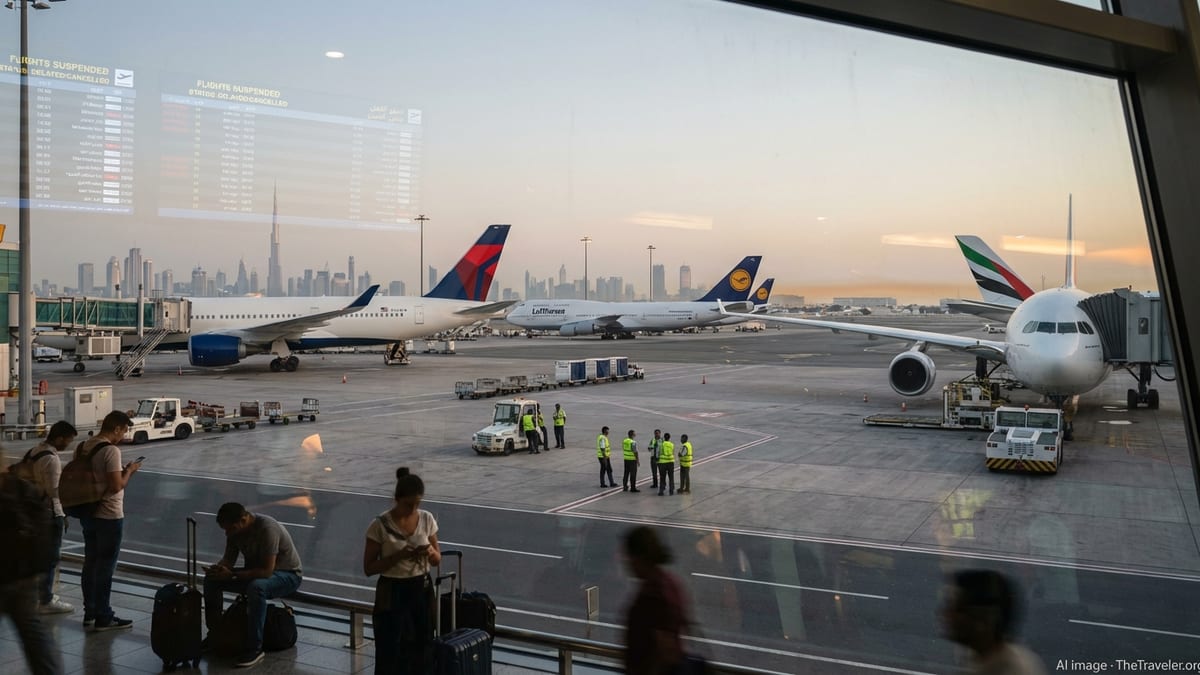
The article discusses Canada’s decision to maintain a “avoid non-essential travel” stance for parts of India, which is significantly impacting transatlantic aviation networks. Major airlines such as Air Canada, British Airways, and United Airlines are adjusting their schedules, reducing capacity, and preparing for a potential decrease in demand on key routes connecting Canada, Europe, and the United States to the Indian market. This decision reflects broader travel restrictions and the ongoing effects of global travel limitations on international aviation.
Key Points:
Actionable Takeaways:
Adjustment of Travel Plans: Airlines should closely monitor the evolving situation in India and be prepared to further adjust their schedules and capacities. This proactive approach can help mitigate potential losses due to reduced demand.
Focus on Alternative Markets: Given the anticipated decrease in demand from the Indian market, airlines could explore opportunities in other regions to maintain stable revenue streams. This could involve increasing focus on European and North American markets or expanding into other emerging markets.
Enhanced Digital Engagement: Airlines should leverage digital platforms to communicate with customers about travel advisories and adjustments. Providing clear, timely information can help manage customer expectations and maintain trust during uncertain times.
Contextual Understanding:
The decision by Canada to maintain travel restrictions for parts of India underscores the ongoing global impact of travel advisories and the interconnected nature of international aviation networks. This situation is reflective of broader travel restrictions seen worldwide, which have been a response to various public health concerns. The article also touches on the importance of digital engagement in maintaining customer trust and managing expectations during periods of uncertainty. Current travel trends indicate a shift towards digital solutions for both travel planning and post-travel support, which airlines should capitalize on to adapt to changing consumer behaviors.
Handling Different Article Types:
The article in question is a news brief, providing factual information about a specific decision made by Canada regarding travel advisories and its subsequent impact on the aviation industry. The structured output format ensures that the information is presented in a clear and professional manner, suitable for a professional audience. The focus on actionable insights and contextual understanding ensures that the content is not only informative but also relevant and actionable for industry professionals.
Read the Complete Article.
Get curated travel AI insights — choose the newsletters that matter to you.
ALTOUR Expands into Thailand, Strengthening Corporate Travel Network Across Southeast Asia BANGKOK, THAILAND (25 March, 2026) – ALTOUR, a leading...
Read moreDetails


Vienna, Austria — April 1, 2024 In short: Miiro Hotels, owned by InterGlobe Enterprises, completes six European hotel openings with...
Read moreDetails