Comprehensive Summarization:
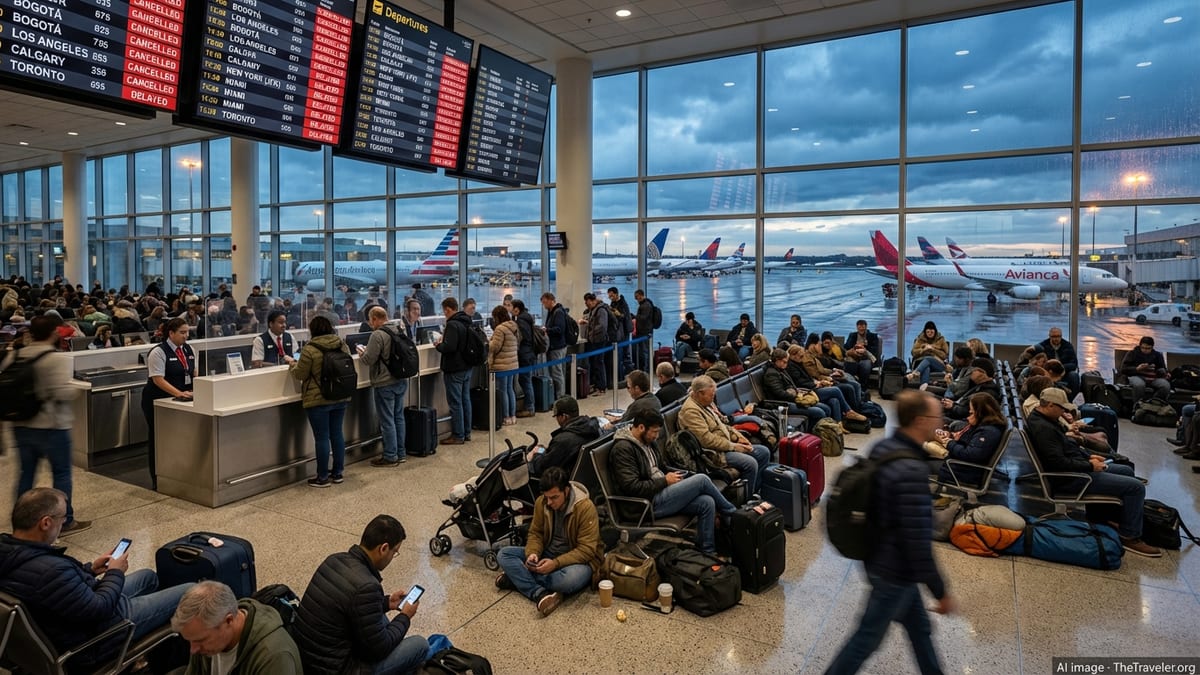
The article reports on significant disruptions in air travel across major U.S. hubs, including Chicago, New York, Orlando, Philadelphia, and San Francisco. These disruptions resulted in at least 55 cancellations and over 2,345 delays, impacting operations for several carriers such as American, Southwest, United, Delta, and Alaska. The article highlights the ongoing challenges faced by the travel industry, particularly in the wake of spring disruptions, and underscores the need for robust travel tech solutions to manage such operational challenges effectively.
Key Points:
- Major U.S. hubs experienced hundreds of flight delays and cancellations, affecting operations for major carriers.
- The disruptions were reported across several key airports, including Chicago, New York, Orlando, Philadelphia, and San Francisco.
- The article emphasizes the ongoing challenges in the travel industry, particularly in managing disruptions and the need for advanced travel tech solutions.
Actionable Takeaways:
-
Invest in Advanced Travel Tech Solutions: The article highlights the need for robust travel tech solutions to manage operational disruptions effectively. Travel companies should invest in technologies that enhance real-time tracking, predictive analytics, and customer communication to mitigate the impact of delays and cancellations.
-
Enhance Customer Communication: With the increase in delays and cancellations, effective communication with passengers is crucial. Implementing automated notification systems that provide real-time updates on flight status can help manage passenger expectations and reduce frustration.
-
Focus on Resilience Planning: The article underscores the importance of having contingency plans in place to handle disruptions. Travel companies should develop flexible operational strategies that allow for quick re-routing, rebooking, and refunds to minimize the impact on both the company and its customers.
Contextual Insights:
The disruptions in air travel across major U.S. hubs reflect broader challenges faced by the travel industry, particularly in managing operational complexities during periods of high demand. The article’s focus on the need for advanced travel tech solutions aligns with current industry trends, where technology plays a pivotal role in enhancing operational efficiency and customer experience. As the travel industry continues to recover from recent disruptions, the integration of innovative technologies will be key to ensuring resilience and maintaining customer trust. Furthermore, the emphasis on customer communication highlights the importance of transparency and proactive engagement in managing passenger expectations during challenging times.
Read the Complete Article.