





No products in the cart.
- Latest
- Trending

Jet Fuel Shock Hits Global Airlines and Tourism Revenues
Comprehensive Summarization:
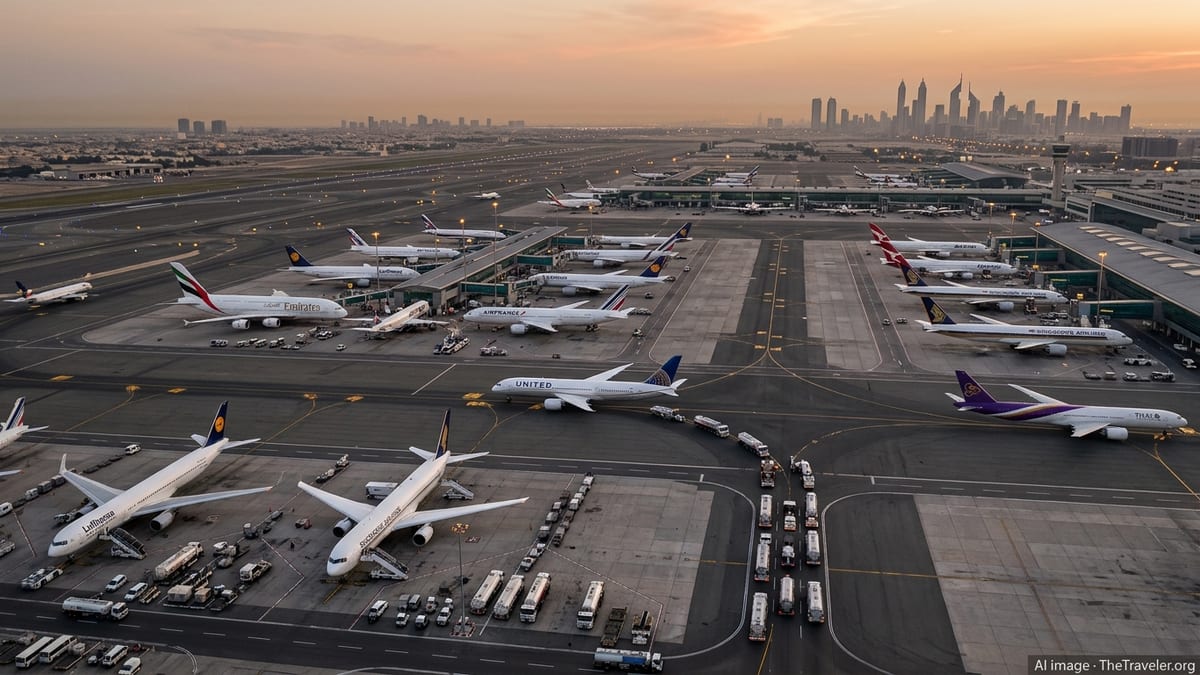
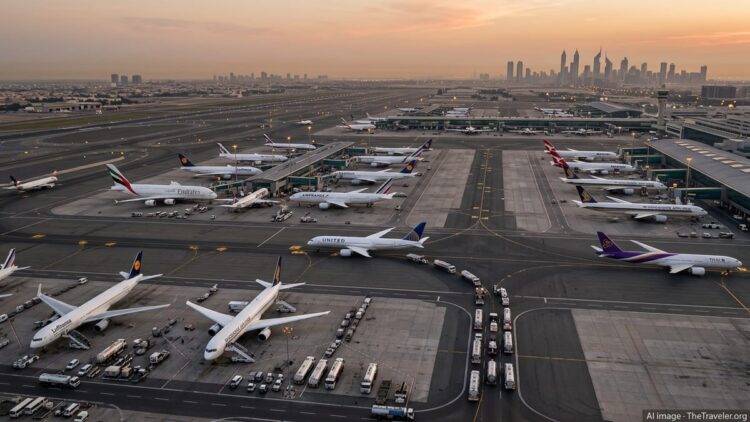
The article discusses a significant increase in jet fuel prices, primarily driven by supply disruptions stemming from the ongoing war in Iran. This price surge is having a profound impact on the global aviation and tourism sectors, affecting major carriers such as Air France, United Airlines, Vietnam Airlines, Qantas, Lufthansa, Emirates, Thai Airways, and Singapore Airlines. The increased operational costs are putting pressure on these airlines, as well as on hotel and travel spending in key markets including the United Arab Emirates, the United Kingdom, and the United States. The article underscores the vulnerability of the travel industry to geopolitical events and their cascading effects on operational costs and consumer spending.
Key Points:
Actionable Takeaways:
Cost Management for Airlines: Airlines must implement cost management strategies, such as optimizing flight routes, increasing fuel efficiency, and negotiating better fuel contracts, to mitigate the impact of rising jet fuel prices. This is crucial for maintaining profitability and ensuring sustainable operations in a volatile market.
Consumer Spending Adjustments: Travel providers, including airlines and hotels, should anticipate potential reductions in consumer spending due to increased costs. Offering flexible booking options, loyalty rewards, and promotional packages could help retain customers and encourage travel despite higher prices.
Diversification of Markets: Airlines and travel companies should explore diversifying their market focus beyond traditionally affected regions like the United Arab Emirates, the United Kingdom, and the United States. Expanding into emerging markets with lower sensitivity to fuel price fluctuations could provide new growth opportunities and reduce dependency on volatile regions.
Contextual Insights:
The article’s context is deeply rooted in the current geopolitical tensions and their direct impact on the global travel industry. The war in Iran has led to significant disruptions in the supply of jet fuel, a critical component of airline operations. This situation is emblematic of how external geopolitical events can have profound and immediate effects on the travel sector, affecting everything from operational costs to consumer spending patterns.
In light of these developments, the travel industry is witnessing a shift towards greater resilience and adaptability. Companies are increasingly focusing on technological innovations to optimize fuel consumption and improve operational efficiency. For instance, advancements in aircraft design, alternative fuels, and route optimization software are becoming more critical than ever. Additionally, the article aligns with broader travel trends that emphasize sustainability and the growing consumer demand for eco-friendly travel options. As the industry navigates these challenges, thought leaders are advocating for a more integrated approach that combines technological innovation with strategic market diversification to ensure long-term sustainability and growth.
Handling Different Article Types:
The article in question is a news brief, providing a concise overview of a significant industry development. News briefs typically focus on factual reporting and do not include opinion pieces or in-depth feature analyses. Therefore, the structured output format is tailored to present factual information clearly and concisely, ensuring that the key points and actionable insights are easily digestible for a professional audience.
In summary, the article underscores the urgent need for the travel industry to adapt to rising operational costs due to geopolitical factors. By focusing on cost management, consumer spending adjustments, and market diversification, airlines and travel providers can navigate these challenges more effectively, ensuring resilience and sustained growth in an increasingly volatile global landscape.
Read the Complete Article.
Get curated travel AI insights — choose the newsletters that matter to you.
This spot is reserved for brands with a compelling story for the travel trade. They use this space to cut...
Read moreDetailsALTOUR Expands into Thailand, Strengthening Corporate Travel Network Across Southeast Asia BANGKOK, THAILAND (25 March, 2026) – ALTOUR, a leading...
Read moreDetails


Comprehensive Summarization: The article discusses a significant increase in jet fuel prices, primarily driven by supply disruptions stemming from the...
Read moreDetails