







No products in the cart.
- Latest
- Trending

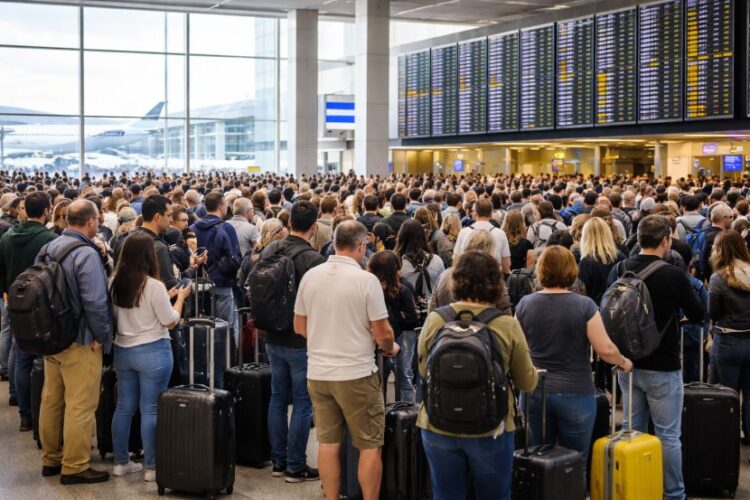
Travellers Grounded at Newark Liberty International as United, Air India, Lufthansa, and More Face 9...
Comprehensive Summarization:
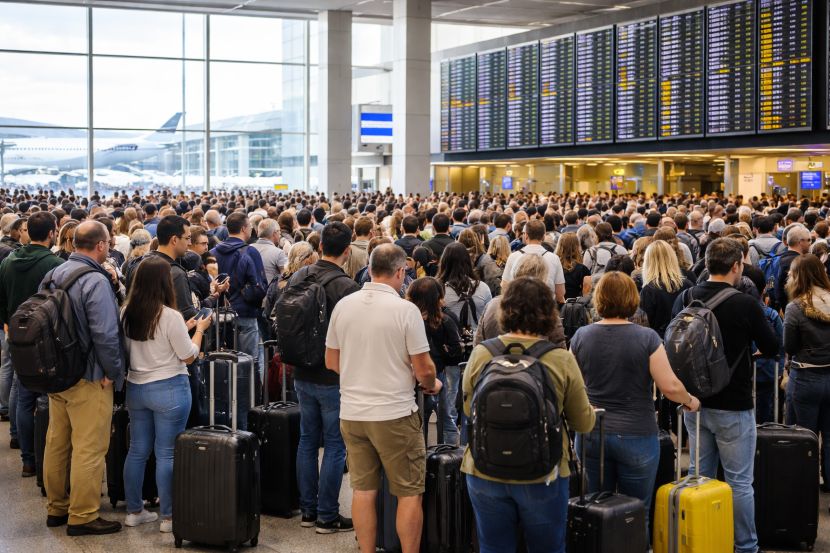
The article reports on significant disruptions at Newark Liberty International Airport, where 92 flights are delayed and 4 are canceled, involving major airlines such as United Airlines, WestJet, Air India, and Lufthansa. The disruptions affect routes to key destinations including New York, London, Chicago, Toronto, and other major US cities. The article provides a snapshot of the current state of travel operations at the airport, highlighting the impact on travelers and the airline industry.
Key Points:
Actionable Takeaways:
Proactive Communication with Travelers: Airlines should enhance their communication strategies to promptly inform passengers about delays and cancellations. This can help manage traveler expectations and reduce stress, potentially improving customer satisfaction and loyalty.
Investment in Resilient IT Systems: The article underscores the importance of robust IT systems in managing flight operations. Airlines should consider investing in advanced technologies to prevent and mitigate disruptions, ensuring smoother operations and better service delivery.
Collaboration with Airport Authorities: Airlines and airports should collaborate more closely to address operational challenges. Sharing real-time data and coordinating efforts can help in managing delays and cancellations more effectively, benefiting both airlines and travelers.
Contextual Insights:
The disruptions at Newark Liberty International Airport reflect broader challenges faced by the travel industry in managing large-scale operations, especially during peak travel periods. The article highlights the critical role of technology in modernizing travel logistics and improving operational efficiency. As the travel industry continues to evolve, innovations in travel tech, such as real-time tracking systems and AI-driven predictive analytics, are becoming increasingly vital. These technologies can help airlines and airports anticipate and respond to disruptions more effectively, ultimately enhancing the travel experience for passengers. Additionally, the article underscores the need for airlines to maintain strong relationships with airport authorities to ensure seamless operations and address operational challenges collaboratively.
Read the Complete Article.
Get curated travel AI insights — choose the newsletters that matter to you.
ALTOUR Expands into Thailand, Strengthening Corporate Travel Network Across Southeast Asia BANGKOK, THAILAND (25 March, 2026) – ALTOUR, a leading...
Read moreDetails


Comprehensive Summarization: The article reports on significant disruptions at Newark Liberty International Airport, where 92 flights are delayed and 4...
Read moreDetails