



















Travel Capitalist Ventures Expands Check Size to $10 Million to Deepen Emerging Market Conviction
Boutique Travel VC raises investment cap from $1.5M to $10M to lead rounds and support portfolio companies through growth Travel...
Read moreDetails
Passengers Stranded at Pittsburgh International Airport as 34 Delays and 12 Cancellations Disrupt Tr...
Comprehensive Summarization:
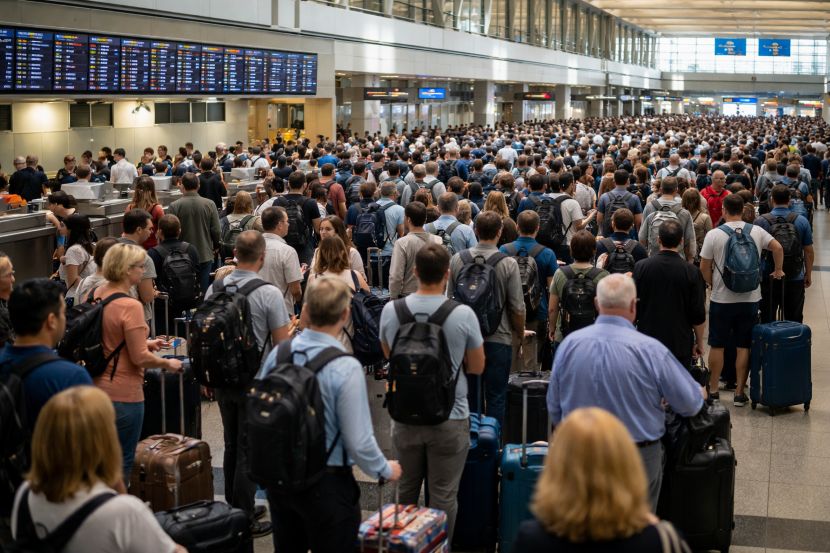
The article reports significant disruptions at Pittsburgh International Airport (PIT) on February 2, 2026, with 34 flight delays and 12 cancellations affecting major airlines including American, Delta, Southwest, and United. These disruptions impacted travel across various US cities, including New York, Atlanta, and Chicago. The disruptions were detailed in the article, providing a snapshot of the challenges faced by travelers and airlines in managing flight operations during this period.
Key Points:
Actionable Takeaways:
Enhanced Communication Protocols: Airlines should implement more robust communication protocols to inform passengers promptly about delays and cancellations. This can help manage passenger expectations and reduce the impact of disruptions on travel plans.
Investment in Technology for Real-Time Tracking: Airlines and airports can benefit from investing in advanced technology solutions for real-time flight tracking and passenger updates. This can improve operational efficiency and enhance the passenger experience during disruptions.
Focus on Customer Service During Disruptions: Airlines should prioritize customer service during disruptions, offering alternatives such as rebooking options, refunds, or upgrades. This can help mitigate the negative impact on customer satisfaction and loyalty.
Contextual Insights:
The disruptions at PIT highlight the vulnerabilities in the current airline operations, particularly in managing large-scale flight schedules. This incident underscores the need for airlines to adopt more resilient operational strategies, leveraging technology to enhance real-time tracking and communication. The article also reflects broader industry trends where passenger experience and operational efficiency are critical factors in maintaining competitive advantage. As the travel industry continues to evolve, innovations in travel tech and fintech are likely to play a crucial role in addressing such operational challenges, ensuring smoother travel experiences for passengers.
Read the Complete Article.
Boutique Travel VC raises investment cap from $1.5M to $10M to lead rounds and support portfolio companies through growth Travel...
Read moreDetails



Comprehensive Summarization: Riskified, a leader in ecommerce fraud and risk intelligence, has announced a strategic partnership with Outpayce, a travel...
Read moreDetails
