







No products in the cart.
- Latest
- Trending

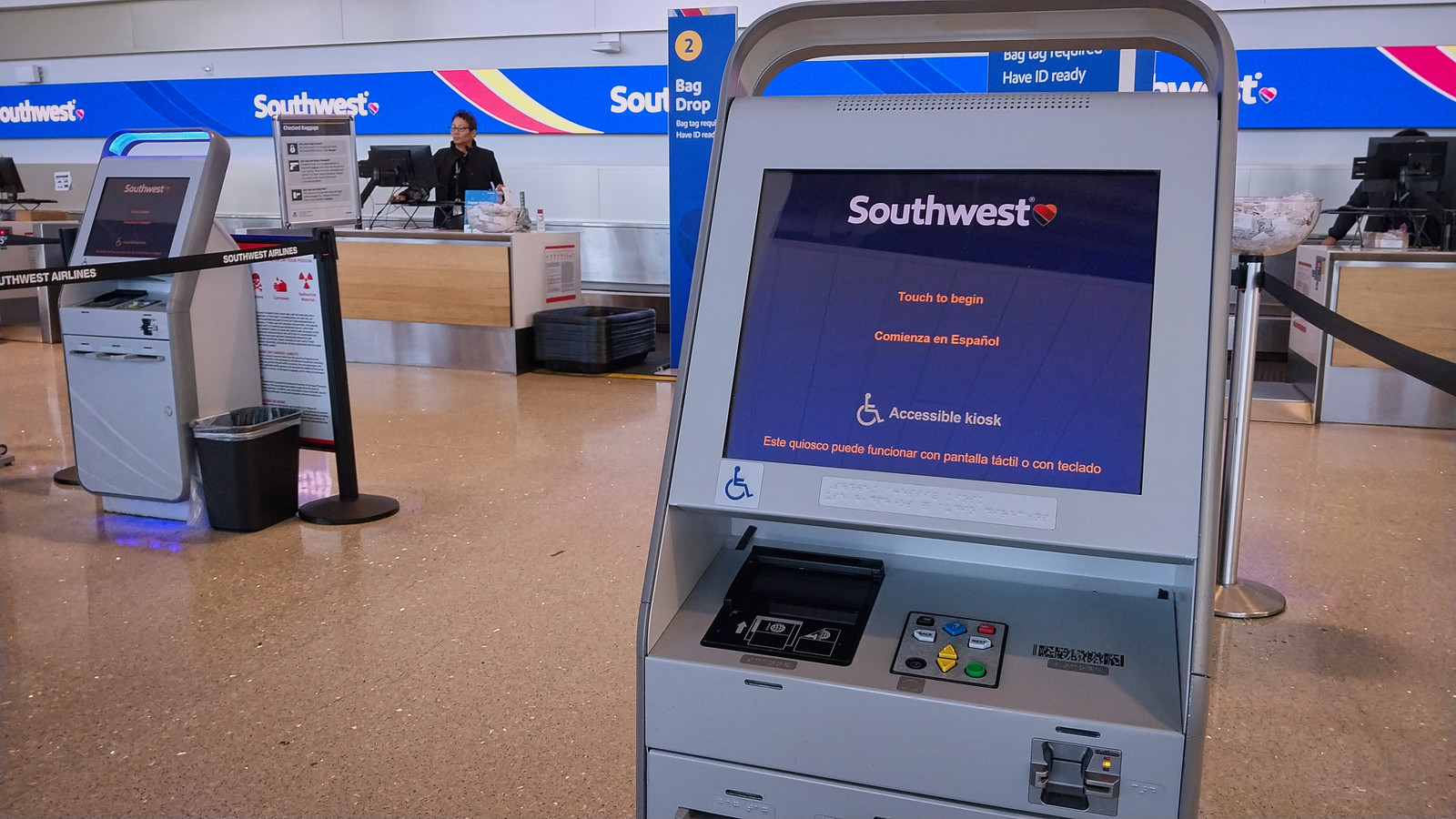
A Southwest Airlines ticket kiosk
Comprehensive Summarization:
The article reports on the significant disruption caused by the war in the Middle East, leading to thousands of flight cancellations and stranded travelers at major airports worldwide. Major airlines, including Delta Air Lines, have issued travel warnings due to ongoing unrest in the region. On Thursday, March 5, 2026, the United States experienced increased flight delays, with 5,744 delays and 451 cancellations reported by FlightAware. The article also touches on the broader travel trends and insights from industry thought leaders, highlighting the challenges and evolving landscape of the travel sector amidst geopolitical tensions.
Key Points:
Actionable Takeaways:
Travel Disruption Management: Airlines and travel agencies should enhance their contingency plans for handling flight cancellations and delays, particularly in regions prone to geopolitical unrest. This includes improving communication with passengers and offering flexible booking options to mitigate financial losses.
Investment in Travel Tech: The article underscores the need for investment in travel technology solutions that can quickly adapt to disruptions caused by geopolitical events. Innovations in real-time flight tracking, dynamic routing, and automated passenger rebooking systems can significantly enhance operational resilience.
Focus on Safety and Security: Given the heightened tensions, there is an increased emphasis on safety and security measures within the travel industry. This includes investing in cybersecurity to protect sensitive passenger data and enhancing physical security protocols at airports to ensure passenger safety.
Contextual Insights:
The article reflects the current state of the travel industry, which is increasingly vulnerable to geopolitical tensions. The recent surge in flight cancellations and delays underscores the fragility of travel operations in regions affected by conflict. This situation highlights the importance of adaptability and innovation in travel tech to manage disruptions effectively. Thought leaders suggest that the industry must leverage advanced analytics and AI-driven solutions to predict and mitigate the impacts of such events. Furthermore, the focus on safety and security measures is crucial, as travelers are likely to prioritize these aspects when making travel decisions, especially in regions with ongoing unrest. The insights provided align with the latest travel trends, emphasizing the need for agile, tech-driven solutions to navigate the challenges posed by geopolitical instability.
Read the Complete Article.
Get curated travel AI insights — choose the newsletters that matter to you.
ALTOUR Expands into Thailand, Strengthening Corporate Travel Network Across Southeast Asia BANGKOK, THAILAND (25 March, 2026) – ALTOUR, a leading...
Read moreDetails


Comprehensive Summarization: The article announces the launch of the "Promoting Sustainable River Tourism and Plastic Waste Reduction across Cambodia’s Waterways"...
Read moreDetails