







No products in the cart.
- Latest
- Trending

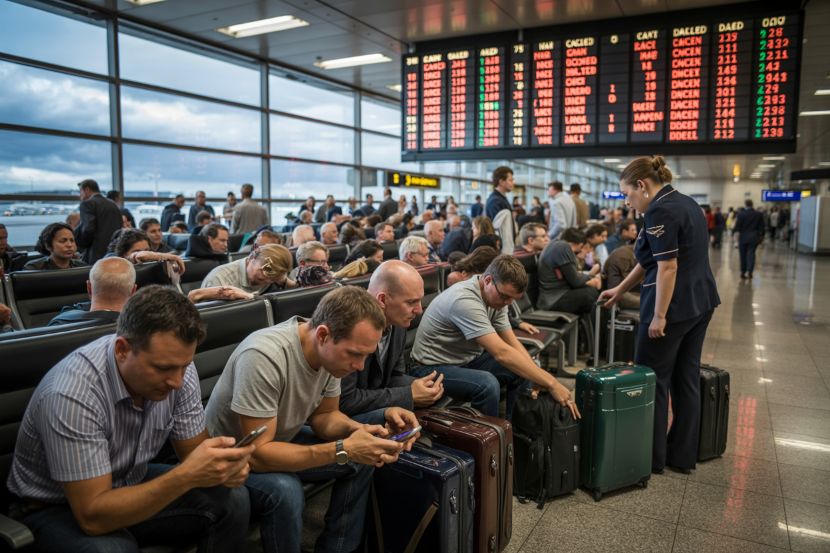
Thousands of Passengers Face Major Travel Woes with 118 Flights Canceled and 532 Delayed — Spirit, E...
Comprehensive Summarization:
The article reports on significant travel disruptions in the United States, with a total of 118 flights canceled and 532 delayed across various airports. The disruptions are attributed to issues affecting major airlines such as Spirit, Emirates, and United Airlines. The affected regions include New York, Orlando, and Toronto, impacting both US and Canadian travelers. The article highlights the challenges faced by passengers and the broader implications for the travel industry, emphasizing the need for effective management of such disruptions.
Key Points:
Actionable Takeaways:
Enhanced Communication Strategies: Airlines should invest in advanced communication systems to promptly inform passengers about flight changes and delays. This can help mitigate passenger frustration and improve overall satisfaction during disruptions.
Operational Resilience: The incident highlights the importance of robust operational planning and contingency measures. Airlines should consider investing in technology and training to enhance their ability to handle unexpected disruptions efficiently.
Focus on Passenger Experience: There is a clear need for airlines to prioritize passenger experience during disruptions. This includes providing clear updates, offering compensation or alternative travel options, and ensuring customer support is readily available to assist affected travelers.
Contextual Insights:
The disruptions in air travel today are indicative of broader challenges faced by the travel industry, particularly in managing large-scale operational issues. The article reflects current trends in travel tech, where technology plays a crucial role in enhancing operational efficiency and passenger experience. Thought leaders in the industry emphasize the importance of leveraging technology to anticipate and mitigate disruptions, ensuring smoother travel experiences for passengers. The incident also underscores the growing importance of fintech solutions in managing travel disruptions, such as offering flexible booking options and seamless compensation processes for affected travelers. Overall, the article provides valuable insights into the current state of the travel industry, highlighting areas for improvement and innovation.
Read the Complete Article.
Get curated travel AI insights — choose the newsletters that matter to you.
ALTOUR Expands into Thailand, Strengthening Corporate Travel Network Across Southeast Asia BANGKOK, THAILAND (25 March, 2026) – ALTOUR, a leading...
Read moreDetails


— In short: Global wellness tourism market projected to reach USD 1,682.8 Billion by 2034. Global Wellness Tourism Market Forecast...
Read moreDetails