





No products in the cart.
- Latest
- Trending


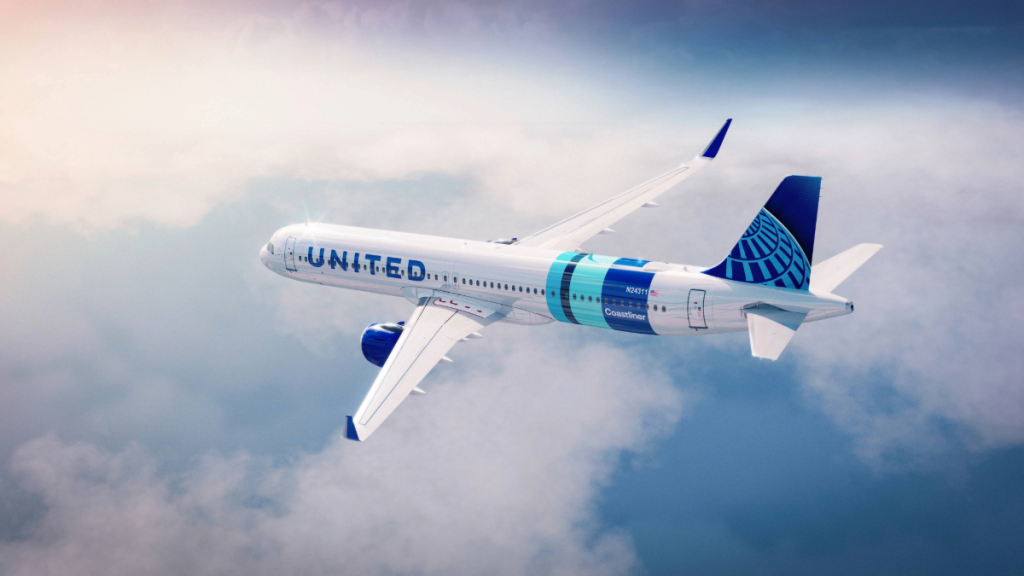
Photo: By InSapphoWeTrust from Los Angeles, California, USA – United Airlines – N7001U, CC BY-SA 2.0, https://commons.wikimedia.org/w/index.php?curid=24265943
In a surprising revelation from aviation history, a recent article from Aviation A2Z sheds light on a peculiar and exclusionary policy once implemented by United Airlines. While air travel today strives for inclusivity, the past holds stories of practices that would be unimaginable in the modern era. This deep dive into United’s archives uncovers a period where specific passenger demographics were effectively barred from flying.
The core of this historical policy, as detailed by Aviation A2Z, centered on restrictions related to children and women. This was not a matter of age or gender being inherently prohibitive, but rather tied to specific circumstances that the airline deemed undesirable or problematic for their operations at the time. Understanding the context behind these decisions is crucial to appreciating the evolution of air travel.
The article indicates that these restrictions were not absolute bans but rather conditional limitations. For instance, young children, particularly those considered too disruptive or requiring excessive attention, might have faced limitations on when and how they could fly. This era predates many of the family-friendly amenities and policies that airlines now consider standard. The focus was likely on maintaining a certain passenger experience, which, by today’s standards, was incredibly narrow and exclusive.
Similarly, the article touches upon restrictions that may have affected women. While the specifics require careful historical examination, it’s plausible that during certain periods, factors like pregnancy, or even the presence of women without escorts, could have been subject to airline policies. This is a stark contrast to the robust protections and accessibility measures that are now in place to ensure women can travel safely and comfortably.
The reasons behind such policies were likely multifaceted, stemming from the early days of commercial aviation where operational efficiency and passenger comfort (for a select clientele) were paramount. Safety concerns, though often cited, may have been intertwined with societal norms and the nascent understanding of passenger management in a rapidly developing industry. The article emphasizes that these were not personal prejudices but rather codified airline rules reflecting the prevailing attitudes and operational challenges of their time.
Examining these historical practices is not about casting judgment on United Airlines alone, but rather about understanding the broader trajectory of the airline industry. It highlights how far we have come in democratizing air travel and making it accessible to all. The shift from exclusive policies to a focus on universal access and passenger comfort represents a significant societal and industry evolution. As we look to the future of aviation, these historical footnotes serve as important reminders of the journey towards a more inclusive and welcoming travel experience for everyone.
Read the Complete Article.
Get curated travel AI insights — choose the newsletters that matter to you.
This spot is reserved for brands with a compelling story for the travel trade. They use this space to cut...
Read moreDetailsALTOUR Expands into Thailand, Strengthening Corporate Travel Network Across Southeast Asia BANGKOK, THAILAND (25 March, 2026) – ALTOUR, a leading...
Read moreDetails


Vilnius, Lithuania hosts the LCC Summit 2026, a groundbreaking event for travel agencies and tech innovators, focusing on AI and...
Read moreDetails