



No products in the cart.
- Latest
- Trending


United Airlines Cancels 17 New Flights across US, Germany, Brazil, Israel, Causes Travel Disruptions...
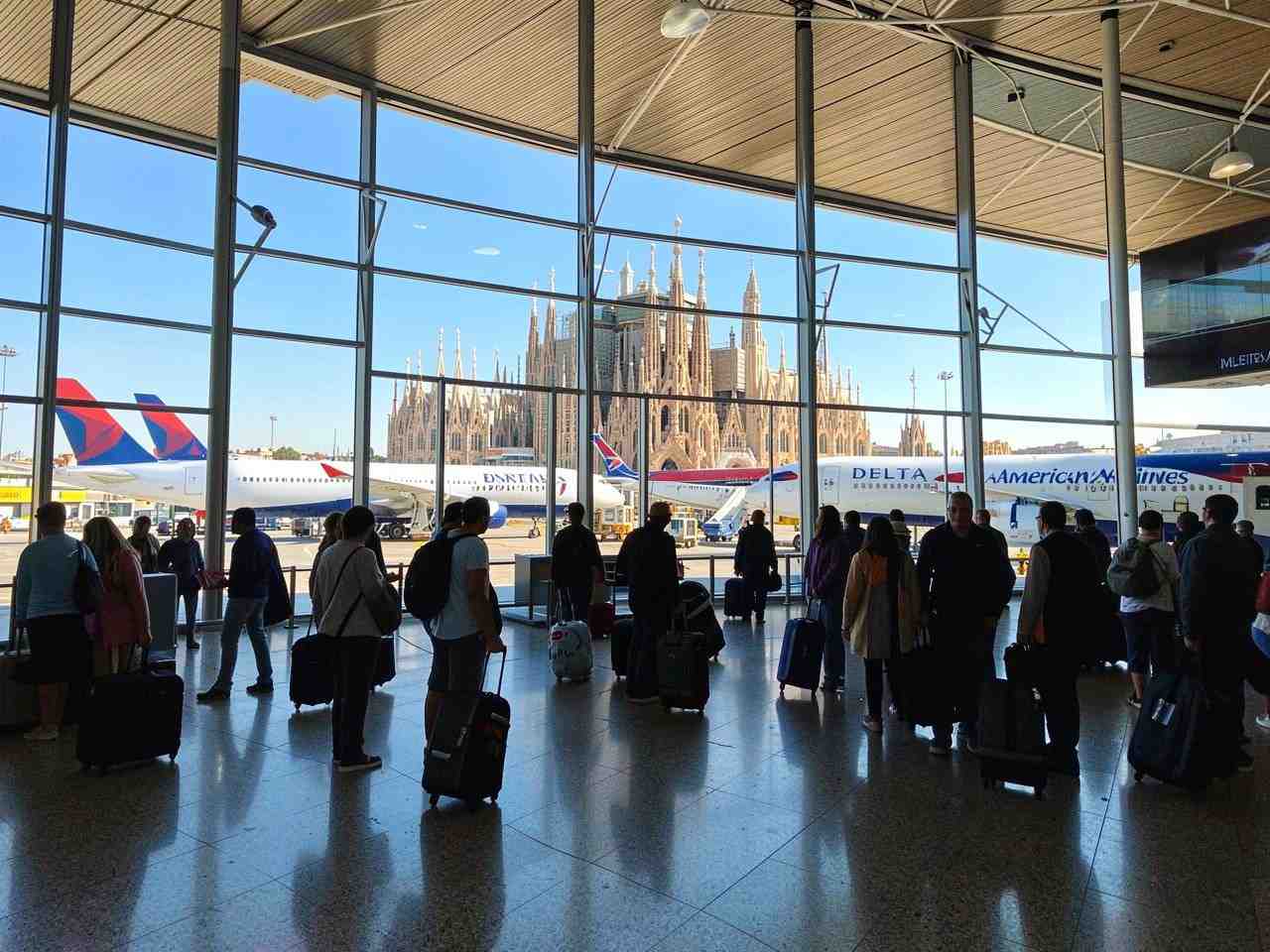
United Airlines has recently announced the cancellation of 17 new flights, impacting travel across the United States, Germany, Brazil, and Israel. This move has left numerous passengers stranded at major airports, including Los Angeles (LAX), Berlin (BER), Rio de Janeiro (GIG), and Tel Aviv (TLV), causing significant travel disruptions and frustration.
The cancellations, which span a variety of domestic and international routes, have raised concerns among travelers and industry observers alike. While the exact reasons for each individual cancellation are not always immediately clear, such widespread disruptions often point to a complex interplay of factors. These can include staffing shortages, aircraft maintenance issues, adverse weather conditions, and unexpected operational challenges. For passengers, the reality is often one of missed connections, unexpected overnight stays, and the logistical headache of rebooking flights.
The impact of these cancellations is far-reaching. Passengers booked on these affected flights face uncertainty and the daunting task of finding alternative travel arrangements. This can mean significant delays, increased costs, and a disruption to carefully planned itineraries, whether for business or leisure. Airports themselves can also experience a ripple effect, with increased congestion and pressure on customer service staff as they assist displaced travelers.
For the travel industry, a consistent and reliable flight schedule is paramount. Cancellations of this magnitude can erode passenger confidence and potentially impact future bookings. Airlines strive to minimize disruptions, but the operational complexities of managing a global network mean that unforeseen issues can and do arise. The focus for United Airlines will now undoubtedly be on managing the current situation, providing support to affected passengers, and communicating transparently about future schedules and mitigation efforts.
The news serves as a stark reminder of the vulnerabilities within the aviation sector. Travelers are advised to remain vigilant, monitor their flight status regularly, and have contingency plans in place, especially when traveling on routes known to be susceptible to disruption. Proactive communication from airlines and understanding passenger rights are crucial in navigating these challenging travel situations. The industry’s ability to adapt and recover from such operational hurdles is key to maintaining traveler trust and ensuring the smooth flow of global mobility.
Key Points
Read the Complete Article.
Get curated travel AI insights — choose the newsletters that matter to you.
This spot is reserved for brands with a compelling story for the travel trade. They use this space to cut...
Read moreDetailsALTOUR Expands into Thailand, Strengthening Corporate Travel Network Across Southeast Asia BANGKOK, THAILAND (25 March, 2026) – ALTOUR, a leading...
Read moreDetails


Comprehensive Summarization: Delta Air Lines, British Airways, and American Airlines are leading a significant surge in tourism to Spain, contributing...
Read moreDetails