







No products in the cart.
- Latest
- Trending


Source: Shutterstock
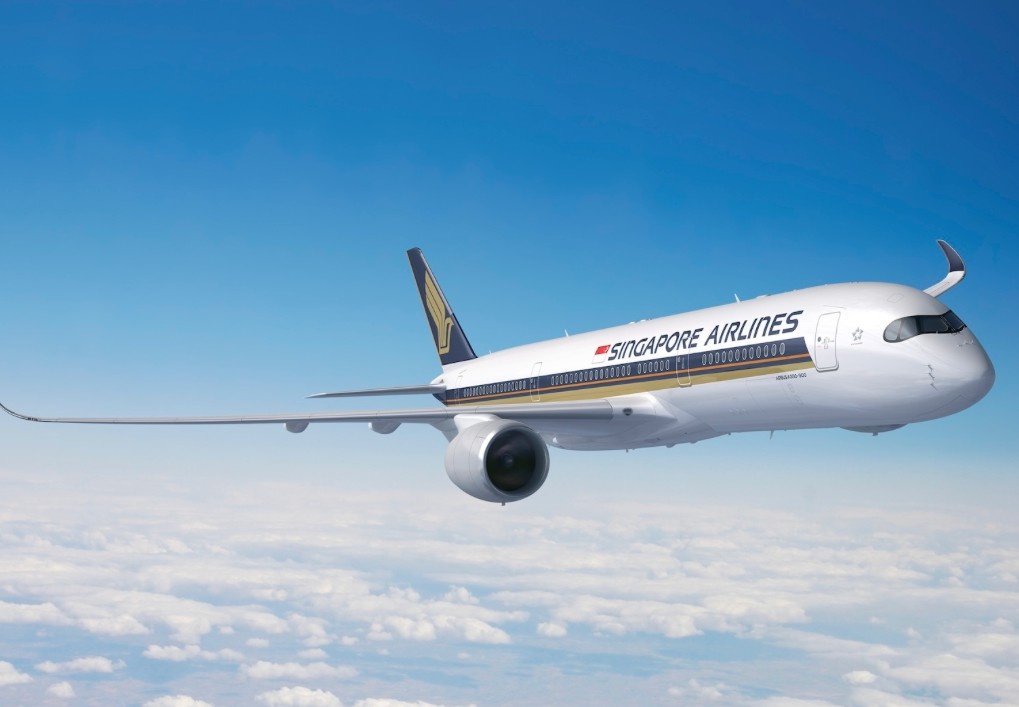
Ever wondered if the people steering the ship at United Airlines Holdings (UAL) are confident in its future? A recent analysis by Simply Wall St. delves into the world of insider trading at the major airline, offering a glimpse into whether executives and board members are buying or selling their company stock. Understanding these movements can provide valuable insights for investors and industry observers alike.
The article specifically examines the period from May 2023 to May 2024, a crucial time for the travel sector as it navigated post-pandemic recovery and evolving economic landscapes. During this timeframe, the data reveals a net selling position among United Airlines insiders. While insider trading is a complex phenomenon and not necessarily an indicator of impending doom or guaranteed success, it’s a trend worth noting.
What Does Insider Selling Mean?
It’s important to preface this by stating that insiders sell stock for a myriad of reasons. These can range from portfolio diversification and personal financial needs to exercising stock options. Simply put, a sale doesn’t automatically equate to a lack of faith in the company’s prospects. However, when sales consistently outweigh purchases over a significant period, it can signal a degree of caution among those closest to the company’s inner workings.
The Simply Wall St. analysis focuses on the aggregate behavior of UAL insiders. It aims to identify patterns that might suggest a collective sentiment. The data presented indicates that during the observed year, more shares were sold by insiders than were bought. This doesn’t mean no insiders bought stock; rather, the volume of selling activity exceeded the volume of buying.
Key Takeaways for Investors and the Travel Industry
For seasoned investors, insider trading data is a piece of the puzzle, not the entire picture. It’s one of many factors to consider when evaluating a company’s stock. When analyzing United Airlines specifically, this net selling trend should be weighed against other crucial metrics such as financial performance, market share, operational efficiency, and future growth strategies.
From a broader travel industry perspective, understanding insider sentiment can contribute to a more nuanced view of the sector’s health. Airlines are highly cyclical businesses, sensitive to economic fluctuations, fuel prices, and consumer demand. Insider selling could, in some interpretations, reflect a cautious outlook on the immediate future of travel demand or concerns about upcoming operational costs. Conversely, it could also be a reflection of executives cashing in on previous gains or managing their personal wealth.
Ultimately, the Simply Wall St. report provides a factual overview of insider transactions at United Airlines. It encourages a deeper dive into the company’s fundamentals and strategic initiatives to form a comprehensive investment thesis. For those in the travel industry, it serves as a reminder that the internal perception of a company’s leadership is a valuable, albeit complex, data point.
Key Points
Read the Complete Article.
Get curated travel AI insights — choose the newsletters that matter to you.
This spot is reserved for brands with a compelling story for the travel trade. They use this space to cut...
Read moreDetailsALTOUR Expands into Thailand, Strengthening Corporate Travel Network Across Southeast Asia BANGKOK, THAILAND (25 March, 2026) – ALTOUR, a leading...
Read moreDetails


Comprehensive Summarization: The article highlights Seoul's emergence as a global hotspot for beauty tourism, emphasizing the city's transformation into a...
Read moreDetails