






No products in the cart.
- Latest
- Trending

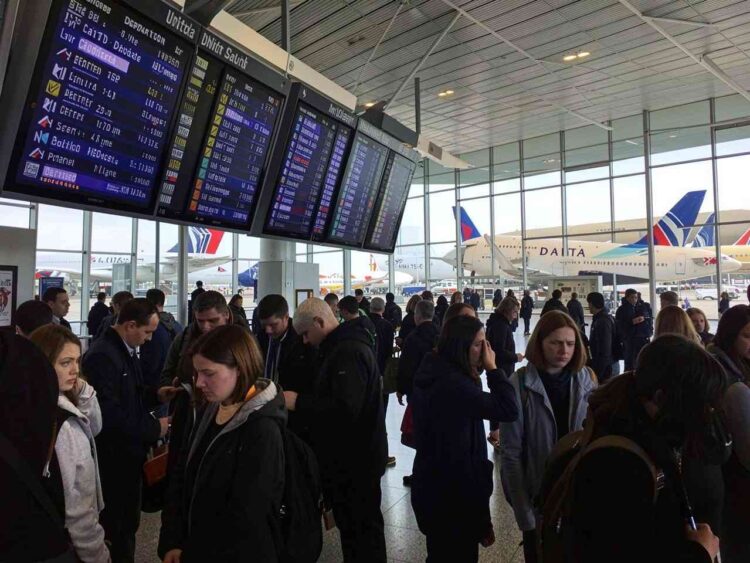
United Airlines, Delta, American, and Lufthansa Cut 5% of Flights – UK & US Hotels Brace for Tourism...
Comprehensive Summarization:
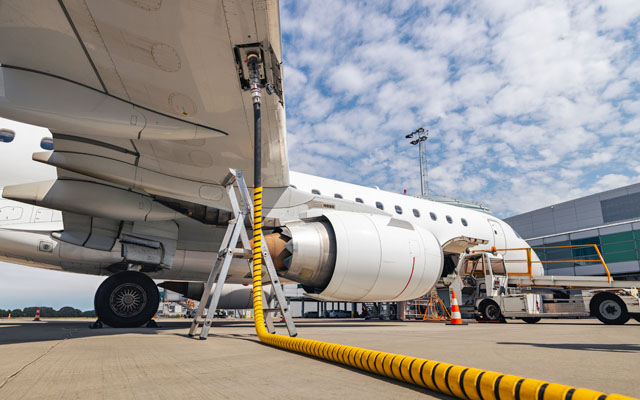
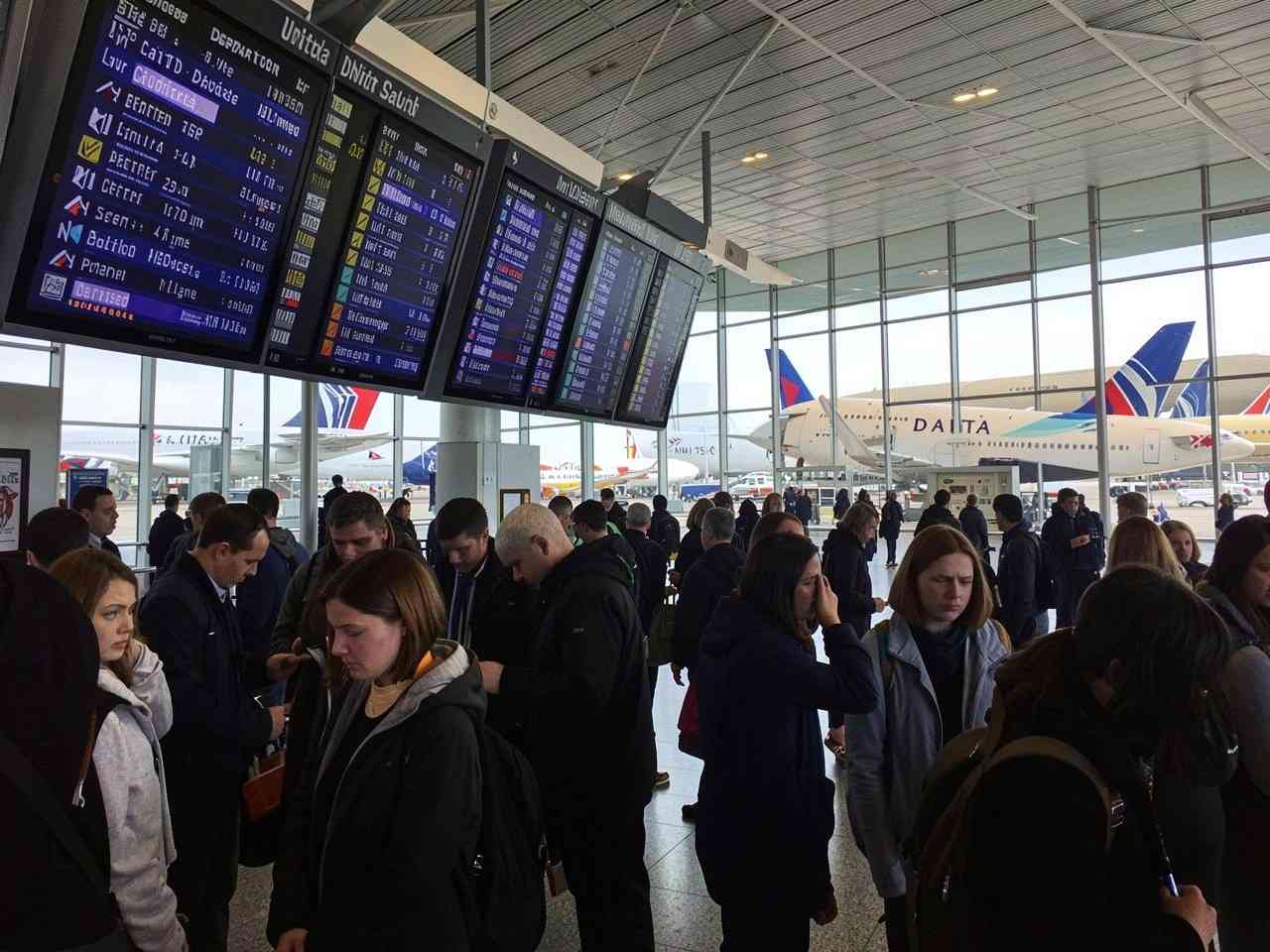
United Airlines, Delta Airlines, American Airlines, and Lufthansa have collectively announced a 5% reduction in their flight schedules due to soaring fuel costs driven by geopolitical tensions. This decision comes as jet fuel prices have spiked to levels not seen in years, significantly impacting the airlines’ operational capacities. The article, published on March 21, 2026, highlights the challenges faced by major airlines in the face of rising fuel expenses, which are directly affecting their ability to maintain service levels. The reduction in flight capacity is a strategic move to manage costs and mitigate the impact of escalating fuel prices on their operations. This development is particularly relevant for the UK and US hotel sectors, which are bracing for a potential tourism dip as a result of these flight cuts.
Key Points:
Actionable Takeaways:
Cost Management Strategies: Airlines must continue to explore cost management strategies, such as optimizing flight routes and schedules, to mitigate the impact of high fuel prices. This could involve increasing the frequency of flights on less congested routes or adjusting schedules to align with periods of lower fuel prices.
Diversification of Routes: Airlines should consider diversifying their route networks to include less affected regions, thereby reducing dependency on high-cost markets. This could help in maintaining passenger volumes and revenue despite the flight cuts.
Collaboration with Fuel Suppliers: Airlines could collaborate more closely with fuel suppliers to negotiate better terms or explore alternative fuel sources. This could include investing in sustainable aviation fuels (SAFs) or partnering with suppliers offering competitive pricing.
Impact on Tourism: Hotels and tourism businesses in the UK and US should prepare for a potential dip in tourism. This could involve marketing campaigns to attract travelers, offering competitive pricing, and enhancing customer experiences to retain bookings.
Contextual Insights:
The article reflects the current challenges faced by the global airline industry, particularly in managing operational costs amidst rising fuel prices. The geopolitical tensions have exacerbated these challenges, leading airlines to make tough decisions such as reducing flight capacity. This situation underscores the vulnerability of the travel industry to external economic factors, such as fuel price fluctuations. Looking ahead, the trend of airlines adjusting their capacities in response to fuel costs is likely to continue, prompting other stakeholders in the travel ecosystem, including hotels and tourism businesses, to adapt their strategies accordingly. The emphasis on cost management and route optimization highlights the importance of technological innovations and operational efficiencies in navigating such economic pressures. Furthermore, the potential impact on tourism sectors suggests a need for proactive marketing and customer engagement strategies to sustain demand in the face of reduced air travel options.
Read the Complete Article.
Get curated travel AI insights — choose the newsletters that matter to you.
This spot is reserved for brands with a compelling story for the travel trade. They use this space to cut...
Read moreDetailsALTOUR Expands into Thailand, Strengthening Corporate Travel Network Across Southeast Asia BANGKOK, THAILAND (25 March, 2026) – ALTOUR, a leading...
Read moreDetails


Comprehensive Summarization: Koh Chraeng, an island located in the Kratie Province of Cambodia along the Mekong River, is rapidly gaining...
Read moreDetails