







No products in the cart.
- Latest
- Trending

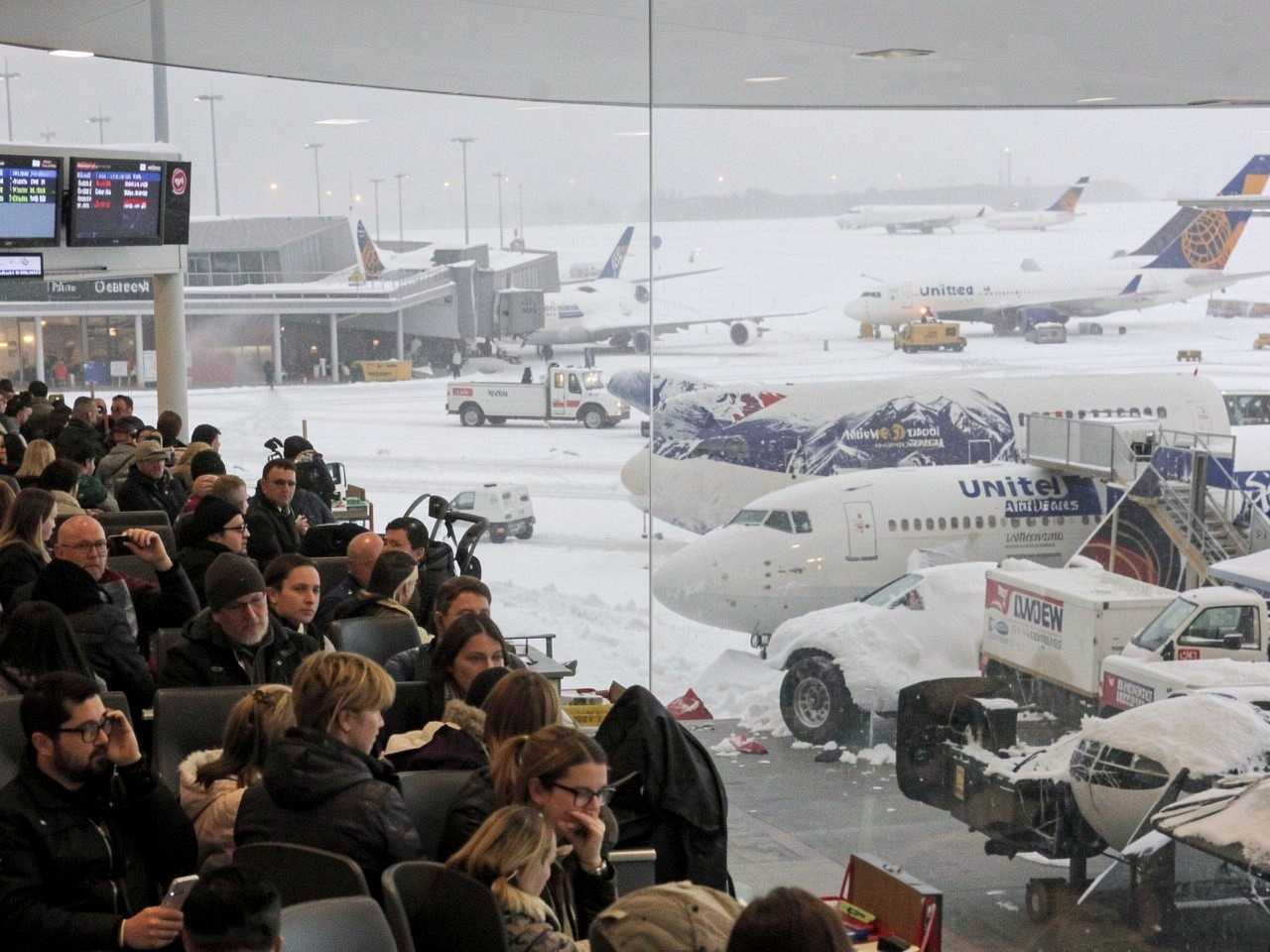
United Airlines, Southwest, Delta, American Airlines Travel Chaos at Denver Airport Sends Shockwaves...
Comprehensive Summarization:
On March 7, 2026, the travel industry was thrown into chaos at Denver International Airport due to a severe snowstorm that disrupted operations at major airlines including United Airlines, Southwest, Delta, and American Airlines. The storm led to over 1,200 flight delays, significantly impacting travel across the USA, Canada, UK, and Mexico. The article highlights the severe disruption caused by the weather event, emphasizing its ripple effects on the tourism and hospitality sector. The image accompanying the article depicts the chaos at the airport, generated with AI.
Key Points:
Actionable Takeaways:
Enhanced Weather Monitoring Systems: Implement advanced weather monitoring and predictive analytics systems to anticipate and mitigate the impact of severe weather events on flight operations. This can help airlines proactively adjust schedules and inform passengers, reducing the severity of delays.
Improved Communication Protocols: Develop and refine communication protocols for informing passengers about delays and cancellations in real-time. This includes leveraging multiple channels such as mobile apps, social media, and airport announcements to ensure passengers are promptly and accurately informed.
Investment in Resilient Infrastructure: Encourage airlines and airports to invest in resilient infrastructure that can withstand severe weather conditions. This includes upgrading facilities to handle increased passenger volumes during disruptions and ensuring backup power systems are in place to maintain operations.
Contextual Insights:
The article reflects the current challenges faced by the travel industry in managing severe weather disruptions, particularly in major hubs like Denver International Airport. The snowstorm’s impact underscores the vulnerability of the travel sector to natural events and highlights the need for robust contingency planning. Recent trends indicate a growing emphasis on technological solutions to enhance operational resilience. Innovations in weather forecasting and real-time communication are becoming increasingly critical for airlines and airports to maintain service continuity during adverse conditions. Furthermore, the article aligns with broader industry trends towards digital transformation, where technology plays a pivotal role in managing disruptions and improving passenger experience. As the travel industry continues to evolve, integrating advanced technologies and robust communication strategies will be essential for mitigating the impact of weather-related disruptions and ensuring sustained growth.
Read the Complete Article.
Get curated travel AI insights — choose the newsletters that matter to you.
ALTOUR Expands into Thailand, Strengthening Corporate Travel Network Across Southeast Asia BANGKOK, THAILAND (25 March, 2026) – ALTOUR, a leading...
Read moreDetails


Comprehensive Summarization: The article, dated March 31, 2026, provides an analysis from AirAsia MOVE, a leading regional travel platform, highlighting...
Read moreDetails