




No products in the cart.
- Latest
- Trending


Photo: Tim | Wikimedia Commons, Simple Flying
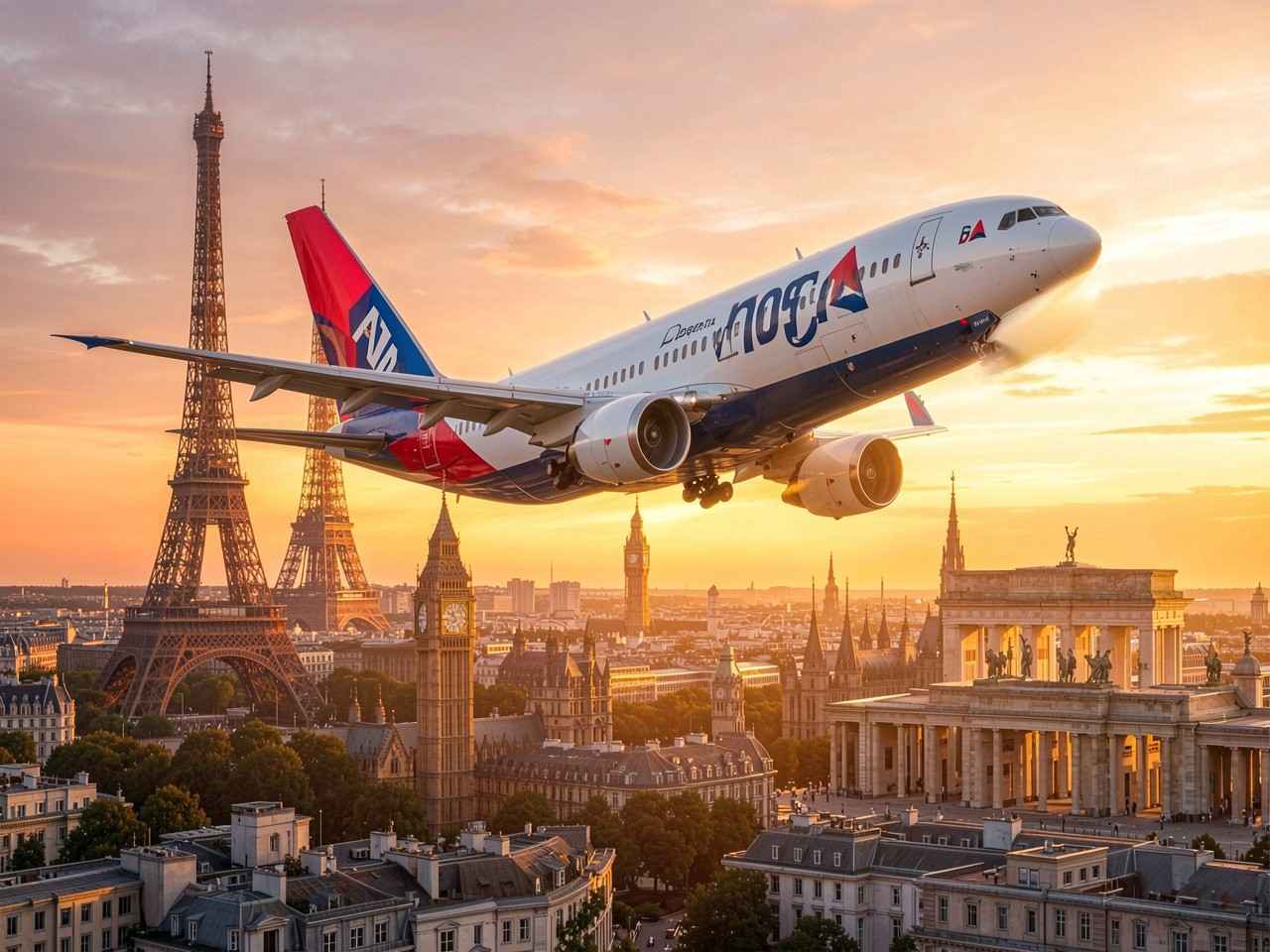
United Airlines is pushing the boundaries of narrowbody aircraft capabilities, operating increasingly long routes with its Airbus A321XLR and Boeing 737 MAX fleets. This expansion presents both opportunities and potential challenges for passengers and the airline itself.
One key strategy for United is utilizing these fuel-efficient narrowbodies to connect smaller, underserved markets directly to its major hubs. This bypasses the need for connecting flights through other airlines or smaller regional airports, saving travelers time and potential hassle. Think more direct routes from smaller European cities to United’s US hubs.
The airline’s use of premium seating configurations on these longer narrowbody routes is another important development. These aircraft are designed to offer a more comfortable experience for passengers enduring extended flight times, with lie-flat seats in business class and enhanced economy plus options. This helps United compete with widebody aircraft on similar routes and attract high-yield business travelers.
However, operating longer routes with narrowbody aircraft also presents challenges. Passenger comfort becomes a primary concern. While United is addressing this with improved seating, factors like cabin space and lavatory availability remain different than widebodies. Effectively managing passenger expectations and providing exceptional service become crucial.
Furthermore, the success of these routes depends on strong load factors. United must accurately forecast demand and market these new routes effectively to ensure profitability. The airline’s ability to leverage its existing hub infrastructure and loyalty program will be essential in driving traffic to these new connections. The increased reliance on efficient narrowbody aircraft also speaks to United’s overall strategy of optimizing its fleet for fuel efficiency and cost-effectiveness in a competitive market. This allows United to open new routes and serve existing markets more sustainably.
Key Points:
Read the Complete Article.
Get curated travel AI insights — choose the newsletters that matter to you.
ALTOUR Expands into Thailand, Strengthening Corporate Travel Network Across Southeast Asia BANGKOK, THAILAND (25 March, 2026) – ALTOUR, a leading...
Read moreDetails


Comprehensive Summarization: Air India, a loss-making airline acquired by the Tata Group in January 2022, has detected significant discrepancies in...
Read moreDetails