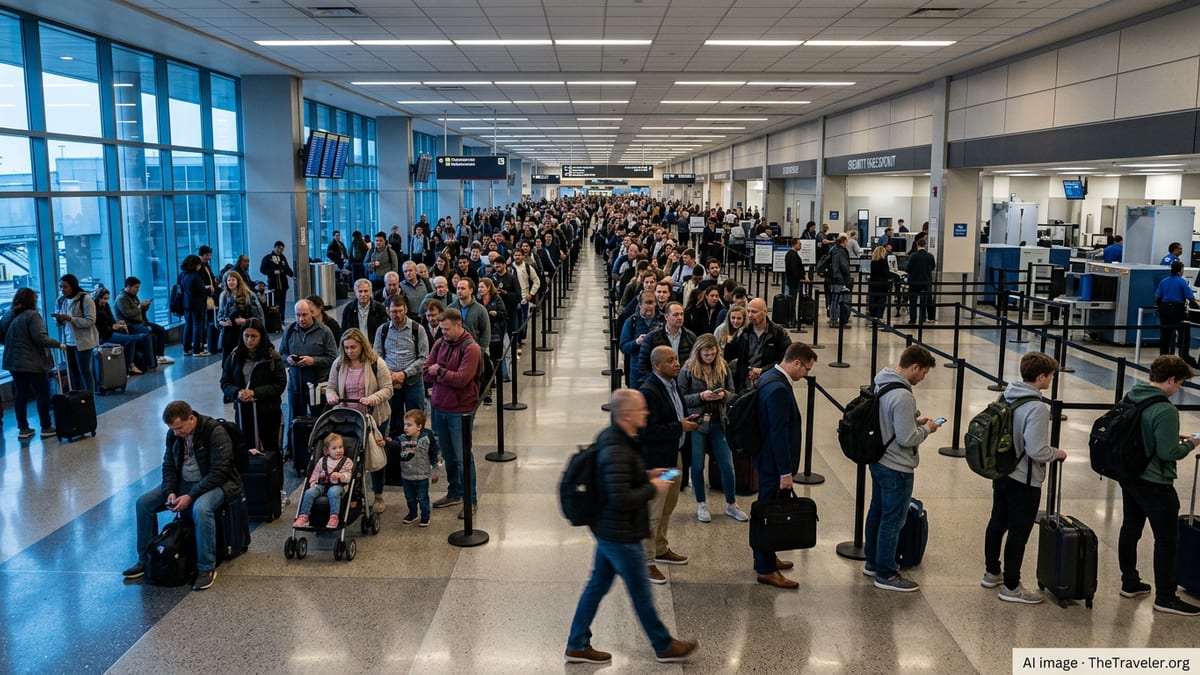
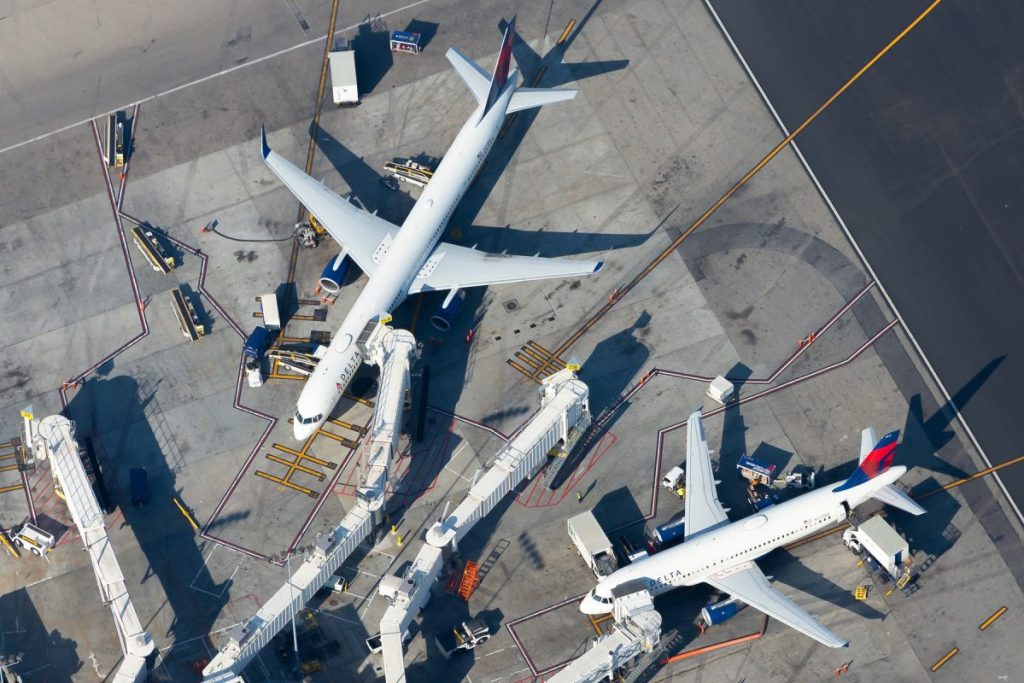
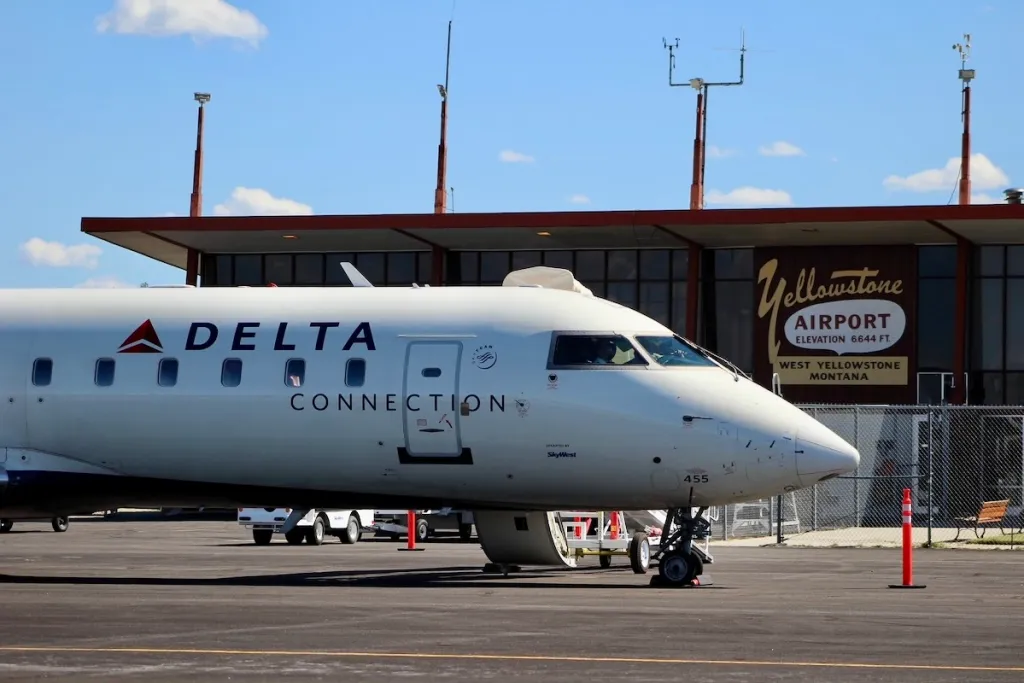
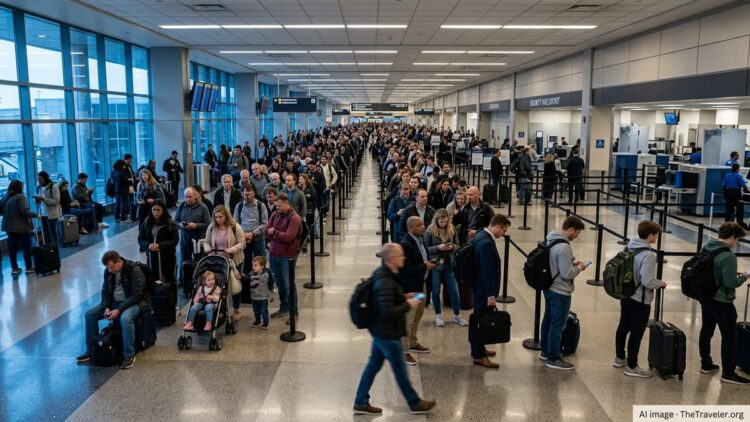
The article reports on significant disruptions in air travel across the United States, with major hubs such as Chicago, Austin, Anchorage, Denver, Miami, New York, Newark, and Los Angeles experiencing 94 cancellations and over 2,000 delays. This disruption affects operations at major carriers including Delta Air Lines, American Airlines, Southwest Airlines, United Airlines, Spirit Airlines, and others. The article emphasizes the impact on operations at these carriers and the broader implications for the travel industry, highlighting the need for effective management of such disruptions.
Key Points:
Major U.S. hubs report 94 cancellations and over 2,000 delays in air travel.
The disruption impacts operations at these carriers, signaling potential challenges for travelers and the travel industry.
Actionable Takeaways:
Proactive Communication with Travelers: Airlines should enhance their communication strategies to promptly inform passengers about cancellations and delays. This proactive approach can help manage traveler expectations and reduce frustration, thereby maintaining customer satisfaction and loyalty.
Invest in Resilient IT Systems: The article underscores the importance of robust IT systems in managing disruptions. Airlines should invest in advanced technologies and systems that can quickly adapt to and mitigate the impacts of operational disruptions, ensuring smoother operations and better service delivery.
Focus on Customer Experience Recovery: Post-disruption, airlines should prioritize customer experience recovery. This includes offering compensation, flexible rescheduling options, and personalized support to affected travelers. Such measures can help rebuild trust and loyalty among passengers, which is crucial in the competitive travel industry.
Contextual Insights:
The article reflects the ongoing challenges faced by the U.S. air travel industry, particularly in managing disruptions at major hubs. Recent events, such as weather conditions, technical issues, or operational errors, have contributed to the current situation. The disruptions highlight the need for continuous improvement in airline operations, customer communication, and IT infrastructure. Looking ahead, the travel industry is likely to see increased investment in technologies that enhance operational resilience and customer experience. Startups and established players in travel tech are likely to innovate further in areas such as real-time flight tracking, predictive analytics for delay management, and enhanced customer support platforms. These innovations could redefine the standards of service in the industry, offering travelers more reliable and seamless travel experiences.