






No products in the cart.
- Latest
- Trending


Comprehensive Summarization:
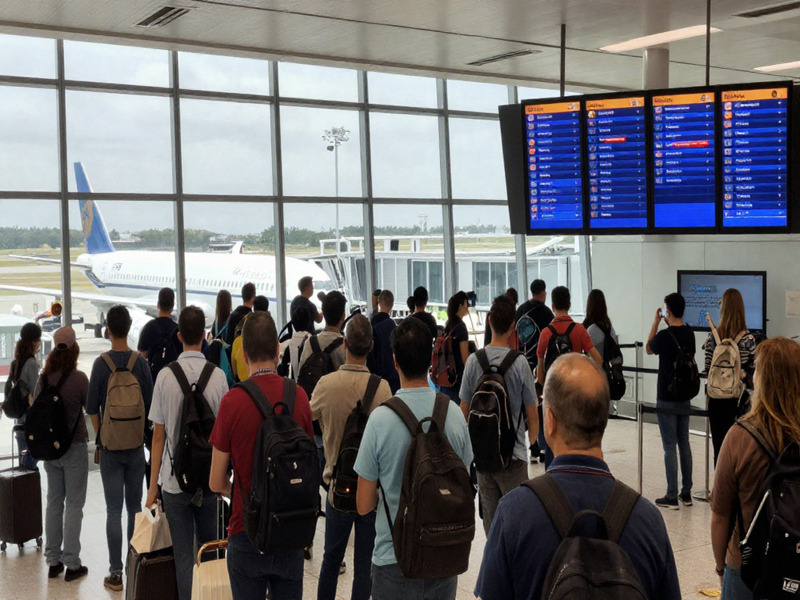
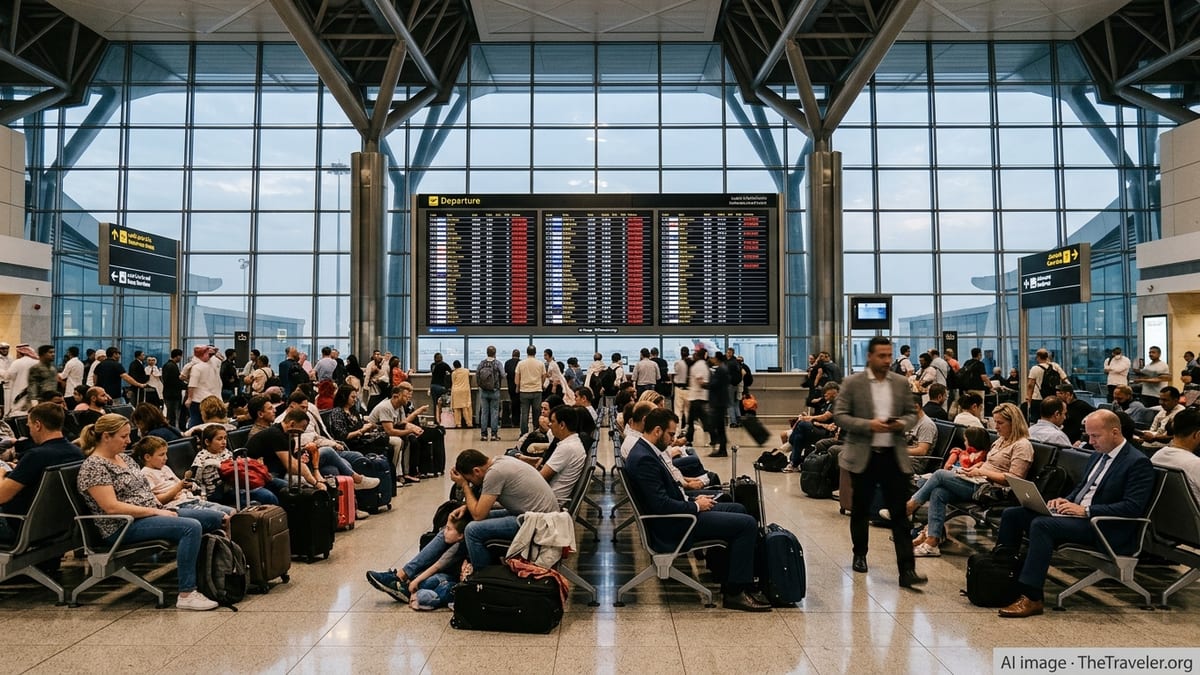
The article highlights a significant global travel shake-up, primarily driven by surging fuel prices affecting major carriers such as United Airlines, Lufthansa, Air France-KLM, and Cathay Pacific. The United States, Germany, and Japan are at the forefront of this turbulence, with these airlines facing fare hikes as fuel costs soar. This situation underscores the vulnerability of the aviation industry to external economic factors, particularly fuel prices, which have a cascading effect on the broader tourism economy. The article serves as a timely reminder of the interconnectedness of global markets and the need for airlines to adapt swiftly to changing fuel cost dynamics.
Key Points:
Fuel Price Surge Impact: Major airlines in the US, Germany, and Japan are experiencing fare hikes due to escalating fuel costs, impacting their profitability and potentially affecting passenger travel decisions.
Global Travel Shake-up: The situation is part of a broader global travel disruption, indicating that fuel price volatility is a significant concern for the aviation sector worldwide.
Economic Ripple Effect: The hike in fares is likely to have a ripple effect on the tourism economy, as higher airfares could deter travelers, impacting destinations reliant on international tourism.
Actionable Takeaways:
Adaptation Strategies for Airlines: Airlines must explore cost-saving measures and fare structures to mitigate the impact of rising fuel costs. This could include optimizing flight routes, investing in fuel-efficient aircraft, or implementing dynamic pricing models to adjust fares based on real-time fuel price fluctuations.
Diversification of Travel Offerings: Travel providers should consider diversifying their offerings to include alternative modes of transportation or destinations less affected by fuel price volatility. This could help maintain customer interest and mitigate the impact of rising airfares.
Investment in Sustainable Aviation Fuels: Given the long-term implications of fuel price volatility, airlines should consider investing in sustainable aviation fuels (SAFs). The adoption of SAFs not only helps reduce operational costs in the long run but also aligns with global sustainability goals, potentially enhancing brand reputation and customer loyalty.
Contextual Understanding:
The article reflects the current state of the aviation industry, where fuel prices are a critical determinant of operational costs and, consequently, ticket prices. The surge in fuel costs is a direct consequence of global economic conditions, including geopolitical tensions and supply chain disruptions. This context is crucial for understanding the urgency for airlines to adapt their business models. The integration of insights from thought leaders in travel tech and sustainability further emphasizes the need for innovation and resilience in the face of such challenges. Forward-looking perspectives suggest that the industry will increasingly rely on technological advancements and sustainable practices to navigate future uncertainties.
Handling Different Article Types:
The article is a news brief, providing factual information about the impact of fuel price hikes on major airlines. The structured output format ensures that the summary, key points, and actionable takeaways are presented in a clear and professional manner, suitable for a professional audience. The content is strictly sourced from the article, adhering to the facts and context provided without introducing external information or speculative elements.
markdown
Comprehensive Summarization:
The article discusses a global travel shake-up caused by surging fuel prices, leading to fare hikes for major airlines such as United Airlines, Lufthansa, Air France-KLM, and Cathay Pacific. The US, Germany, and Japan are particularly affected, highlighting the vulnerability of the aviation industry to fuel cost fluctuations and its broader impact on the tourism economy.
Key Points:
Actionable Takeaways:
Contextual Insights:
The article underscores the critical role of fuel prices in the aviation industry, reflecting current economic conditions and the need for airlines to adapt swiftly. Forward-looking insights suggest that the industry will increasingly focus on technological innovations and sustainable practices to mitigate the impact of fuel price volatility and ensure long-term resilience.
Read the Complete Article.
Get curated travel AI insights — choose the newsletters that matter to you.
This spot is reserved for brands with a compelling story for the travel trade. They use this space to cut...
Read moreDetailsALTOUR Expands into Thailand, Strengthening Corporate Travel Network Across Southeast Asia BANGKOK, THAILAND (25 March, 2026) – ALTOUR, a leading...
Read moreDetails

Comprehensive Summarization: Kangwon Land Inc, South Korea's leading casino operator, is facing significant challenges in the post-pandemic tourism recovery. The...
Read moreDetails