

No products in the cart.
- Latest
- Trending


Comprehensive Summarization:
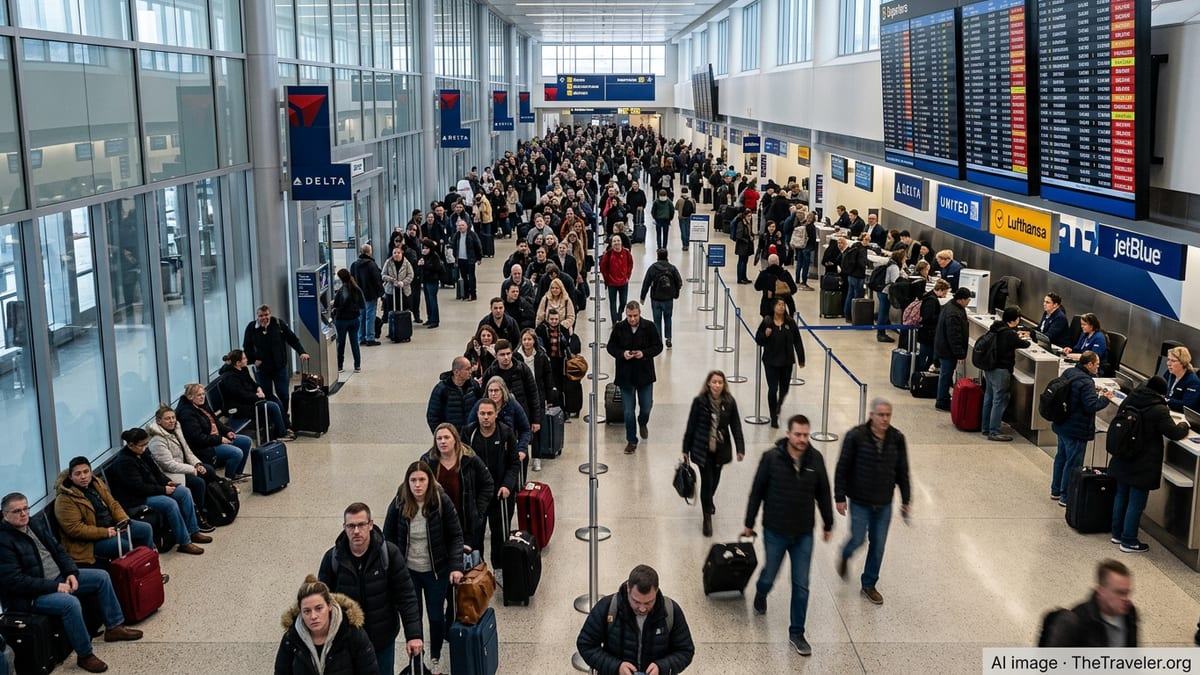
The article reports on significant travel disruptions at Newark Liberty International Airport, involving major carriers such as Spirit Airlines, United, and WestJet. These disruptions resulted in 127 flight delays and 8 cancellations, impacting routes to destinations including Toronto, Fort Lauderdale, and West Palm Beach. The disruptions highlight ongoing challenges in the travel industry, particularly in managing flight operations and ensuring passenger safety and satisfaction amidst unforeseen circumstances.
Key Points:
Actionable Takeaways:
Enhanced Operational Resilience: Travel companies should invest in advanced operational technologies to improve resilience against disruptions. This includes real-time flight tracking systems and predictive analytics to anticipate and mitigate potential issues before they impact operations.
Improved Passenger Communication: Airlines should prioritize clear and timely communication with passengers during disruptions. Providing real-time updates and alternative travel options can significantly enhance passenger satisfaction and loyalty.
Focus on Sustainability and Efficiency: The article highlights the need for travel companies to adopt sustainable practices and operational efficiencies. This includes optimizing flight schedules, reducing carbon emissions, and improving resource management to support long-term industry growth.
Contextual Insights:
The disruptions at Newark Liberty International Airport reflect broader challenges within the travel industry, such as the impact of weather conditions, operational inefficiencies, and the need for robust contingency planning. Recent trends indicate a growing emphasis on technological innovation in travel, with startups focusing on AI-driven solutions for flight management and passenger experience enhancement. These innovations are crucial for addressing current industry challenges and preparing for future disruptions. The article also aligns with the broader trend of increased focus on sustainability within the travel sector, as companies seek to balance operational demands with environmental responsibility. By integrating these insights, the travel industry can better navigate current challenges and position itself for future growth.
Read the Complete Article.
Get curated travel AI insights — choose the newsletters that matter to you.
ALTOUR Expands into Thailand, Strengthening Corporate Travel Network Across Southeast Asia BANGKOK, THAILAND (25 March, 2026) – ALTOUR, a leading...
Read moreDetails

Comprehensive Summarization: The article reports on significant travel disruptions at Newark Liberty International Airport, involving major carriers such as Spirit...
Read moreDetails