























Travel Capitalist Ventures Expands Check Size to $10 Million to Deepen Emerging Market Conviction
Boutique Travel VC raises investment cap from $1.5M to $10M to lead rounds and support portfolio companies through growth Travel...
Read moreDetails
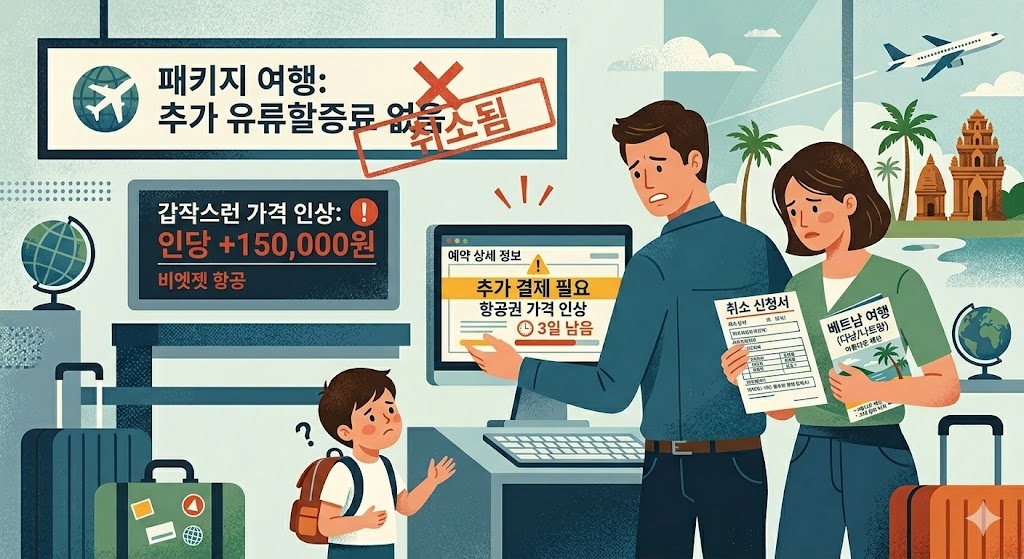
VietJet to Charge Up to 150,000 Won Extra on Already-Sold Tickets
Comprehensive Summarization:
VietJet Air has announced a policy change that will impose additional fees on already-sold tickets based on the timing of ticket issuance. This move, effective from January 10, will apply existing prices to tickets issued by December 30, while charging an additional 130,000 to 150,000 won per seat for tickets issued after this date. The policy has caused significant confusion in the travel industry, particularly affecting package tours with confirmed prices. This development highlights the evolving landscape of travel tech, where pricing strategies are becoming more dynamic and ticketing policies are being adjusted in response to market conditions.
Key Points:
Actionable Takeaways:
Dynamic Pricing Strategies: Travel companies are increasingly adopting dynamic pricing models, where fees and prices are adjusted based on the timing of ticket issuance. This trend is likely to continue as companies seek to optimize revenue and manage demand more effectively. Travel agencies and consumers should stay informed about such policies to avoid unexpected costs.
Impact on Travel Agencies and Consumers: The additional fees imposed by VietJet Air on already-sold tickets could lead to increased costs for consumers, particularly those who book tickets closer to the departure date. Travel agencies may need to adjust their pricing strategies and communicate these changes clearly to their clients to maintain trust and transparency.
Contextual Insights:
The policy change by VietJet Air underscores the growing complexity in the travel industry’s pricing structures. As travel becomes more accessible and global connectivity increases, companies are exploring innovative ways to manage demand and optimize revenue. This development aligns with broader industry trends towards leveraging technology for more flexible and responsive pricing strategies. For thought leaders in the travel sector, this highlights the importance of staying abreast of technological advancements and consumer behavior shifts to remain competitive. The article also reflects the ongoing challenge of balancing revenue optimization with consumer trust and transparency, areas that will continue to be critical for the success of travel companies in the digital age.
Read the Complete Article.
Boutique Travel VC raises investment cap from $1.5M to $10M to lead rounds and support portfolio companies through growth Travel...
Read moreDetails



Comprehensive Summarization: VietJet Air has announced a policy change that will impose additional fees on already-sold tickets based on the...
Read moreDetails
