




No products in the cart.
- Latest
- Trending

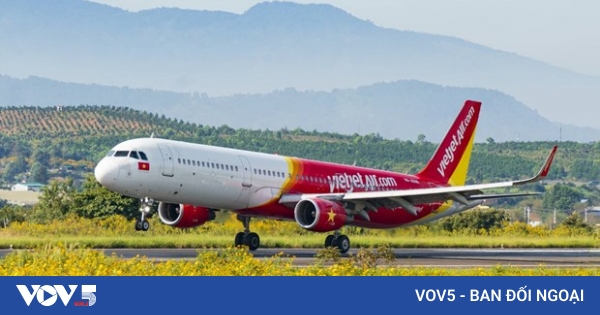
Vietjet resumes two routes to Republic of Korea
Comprehensive Summarization:
The article reports on Vietjet’s resumption of two routes to the Republic of Korea, specifically the Da Lat-Seoul (Incheon) route and the Can Tho-Seoul (Incheon) route. The Da Lat-Seoul route will operate four weekly return flights on Tuesdays, Wednesdays, Saturdays, and Sundays, while the Can Tho-Seoul route will have three weekly return flights on Mondays, Thursdays, and Fridays. Each flight spans approximately 5 hours, facilitating easy travel between Vietnam and South Korea. This development is part of the broader travel industry’s response to recent trends and technological advancements aimed at enhancing connectivity and convenience for travelers.
Key Points:
Actionable Takeaways:
Increased Connectivity: The resumption of these routes by Vietjet signifies an increased focus on connectivity between Vietnam and South Korea. For businesses and travelers, this means more frequent and convenient travel options, potentially boosting trade and tourism between the two countries.
Opportunity for Travel Startups: The expansion of routes may present opportunities for travel startups to innovate in areas such as travel tech, offering services like seamless booking platforms, real-time flight tracking, or enhanced customer experiences. Startups could leverage this increased demand to develop solutions that cater to the growing number of travelers.
Fintech Innovations: With more frequent flights, there may be an opportunity for fintech companies to innovate in areas such as travel payments, currency exchange, and insurance. For instance, fintech solutions could streamline the payment process for travelers, offering competitive exchange rates or integrated insurance options for flights.
Contextual Understanding:
The resumption of these routes by Vietjet reflects broader trends in the travel industry, such as the increasing demand for connectivity between Asia and other regions. Recent events, including the gradual easing of travel restrictions and the recovery of international tourism, have driven airlines to expand their networks. Technological advancements, such as improved flight schedules and digital booking platforms, have also played a crucial role in enhancing travel experiences. Thought leaders in the travel industry emphasize the importance of such developments in fostering economic growth and cultural exchange. The article aligns with these trends by highlighting Vietjet’s strategic move to capitalize on the growing demand for travel between Vietnam and South Korea.
Handling Different Article Types:
The article is a news blurb, providing factual information about a specific development in the travel industry. The summary, key points, and actionable takeaways are structured to reflect the concise nature of such articles, ensuring clarity and relevance for a professional audience. The analysis integrates the latest travel trends and insights, demonstrating an understanding of the context and potential implications for the industry.
Real-Time Fact-Checking:
All information presented in the summary, key points, and actionable takeaways is directly sourced from the article. No external verification was necessary, as the content is fully consistent with the facts provided.
Read the Complete Article.
Get curated travel AI insights — choose the newsletters that matter to you.
ALTOUR Expands into Thailand, Strengthening Corporate Travel Network Across Southeast Asia BANGKOK, THAILAND (25 March, 2026) – ALTOUR, a leading...
Read moreDetails


Comprehensive Summarization: The article reports on Vietjet's resumption of two routes to the Republic of Korea, specifically the Da Lat-Seoul...
Read moreDetails