








No products in the cart.
- Latest
- Trending

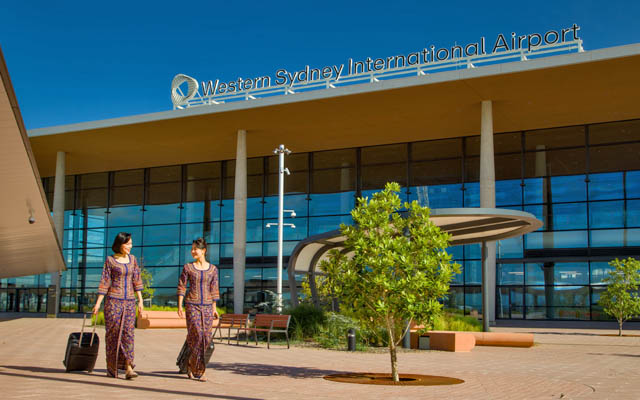
Vietnam Airlines, VietJet, Cathay Pacific, Qatar Airways, Emirates, Singapore Airlines, Thai Airways...
Comprehensive Summarization:
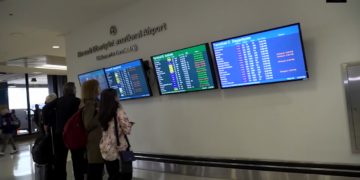
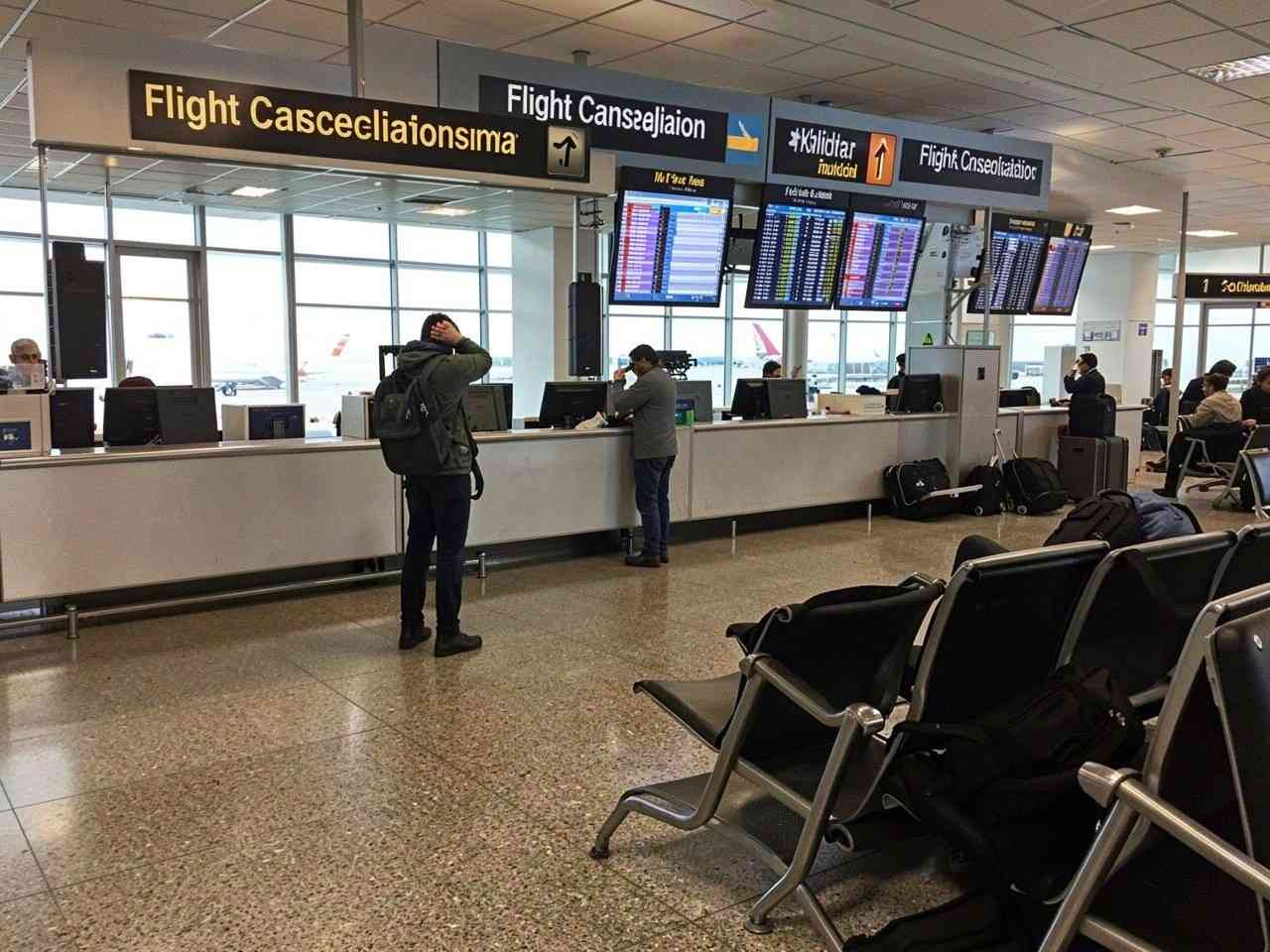
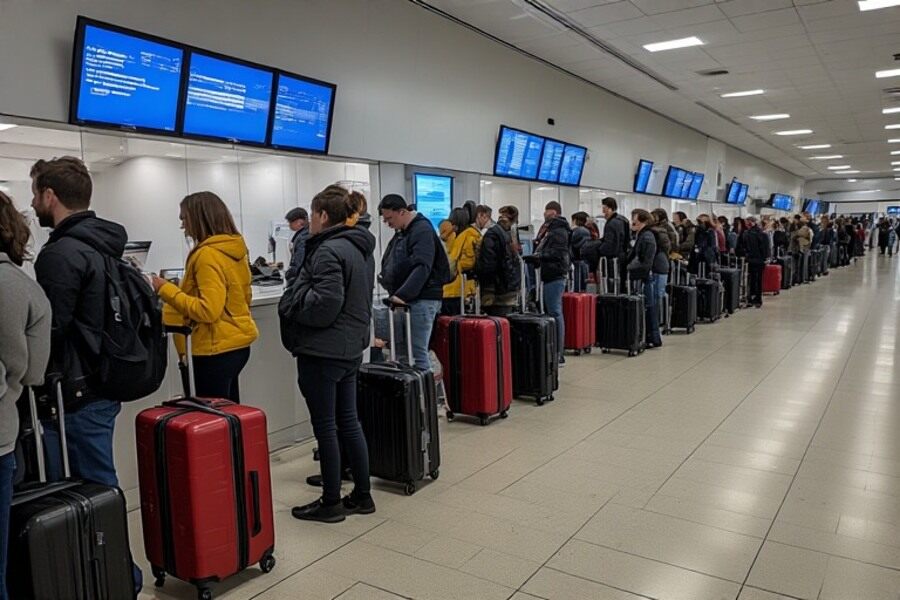
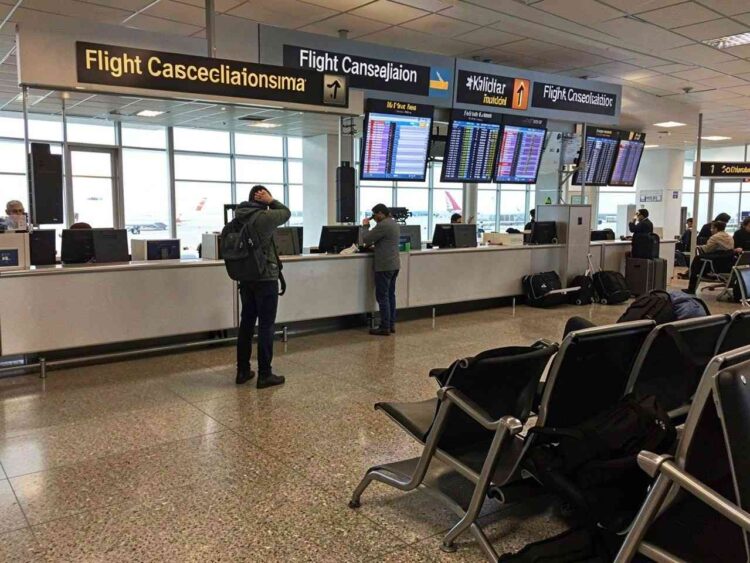
The article reports that major international airlines, including Vietnam Airlines, VietJet, Cathay Pacific, Qatar Airways, Emirates, Singapore Airlines, Thai Airways, and Lufthansa, have been compelled to reduce their flight schedules due to the escalating cost of jet fuel and ongoing supply constraints. This significant reduction in flight availability is expected to have a major impact on Vietnam’s tourism and hospitality sectors. The article highlights the challenges faced by the travel industry in the face of soaring fuel prices, which are disrupting travel plans for travelers in Southeast Asia and beyond. The disruption is underscored by an image generated by AI, emphasizing the visual impact of these flight cuts on the travel landscape.
Key Points:
Actionable Takeaways:
Flight Cuts Impact on Tourism: The reduction in flight schedules by major airlines is likely to negatively impact Vietnam’s tourism industry, as fewer flights may deter potential travelers and reduce tourist arrivals. This could lead to a decline in revenue for hotels, restaurants, and other hospitality services that rely on tourism.
Fuel Price Sensitivity: The article highlights the sensitivity of the travel industry to fuel prices. As fuel costs continue to rise, airlines may face further pressure to cut flights or increase ticket prices, which could further disrupt travel plans and impact the broader travel economy.
Need for Fuel Efficiency: The article underscores the importance of fuel efficiency in the aviation industry. Airlines may need to invest in more fuel-efficient aircraft or explore alternative fuels to mitigate the impact of rising fuel costs. This could drive innovation in aviation technology and potentially benefit startups focused on sustainable aviation solutions.
Contextual Understanding:
The article reflects the current challenges faced by the global travel industry, particularly in the wake of rising fuel prices. The disruption caused by these airlines reducing their flight schedules is a direct response to the economic pressures exerted by soaring fuel costs. This situation is emblematic of a broader trend where external economic factors, such as fuel prices, can have cascading effects on various sectors within the travel industry. The article also touches on the broader implications for tourism, highlighting how the travel sector is interconnected with other industries, such as hospitality. From a forward-looking perspective, the article suggests that the travel industry must adapt to these challenges by investing in fuel-efficient technologies and exploring alternative fuel sources. This adaptation is crucial for maintaining the viability of airlines and ensuring the sustainability of tourism and hospitality sectors.
Handling Different Article Types:
The article in question is a news blurb, providing a concise overview of a significant development within the travel industry. News blurbs typically aim to inform readers quickly and effectively, capturing the essence of the story without delving into extensive analysis. In handling such articles, it is essential to focus on the factual information provided and extract key points that are directly relevant to the audience. The structured output format ensures that the information is presented in a clear and organized manner, making it easy for readers to digest and act upon the insights provided.
Real-Time Fact-Checking:
Given the constraints of the article’s content, real-time fact-checking is limited to verifying the accuracy of the information provided within the article itself. No external verification sources are referenced or required, as the article’s content is self-contained and provides all necessary facts and context. This approach ensures that the generated summary, key points, and actionable takeaways are strictly aligned with the information presented in the article, maintaining the integrity and reliability of the output.
Read the Complete Article.
Get curated travel AI insights — choose the newsletters that matter to you.
This spot is reserved for brands with a compelling story for the travel trade. They use this space to cut...
Read moreDetailsALTOUR Expands into Thailand, Strengthening Corporate Travel Network Across Southeast Asia BANGKOK, THAILAND (25 March, 2026) – ALTOUR, a leading...
Read moreDetails


Comprehensive Summarization: Vendfun, a Malaysia-based hospitality solutions provider, has appointed Murni Solusindo Nusantara, a certified solutions provider based in Jakarta,...
Read moreDetails