






















Travel Capitalist Ventures Expands Check Size to $10 Million to Deepen Emerging Market Conviction
Boutique Travel VC raises investment cap from $1.5M to $10M to lead rounds and support portfolio companies through growth Travel...
Read moreDetails
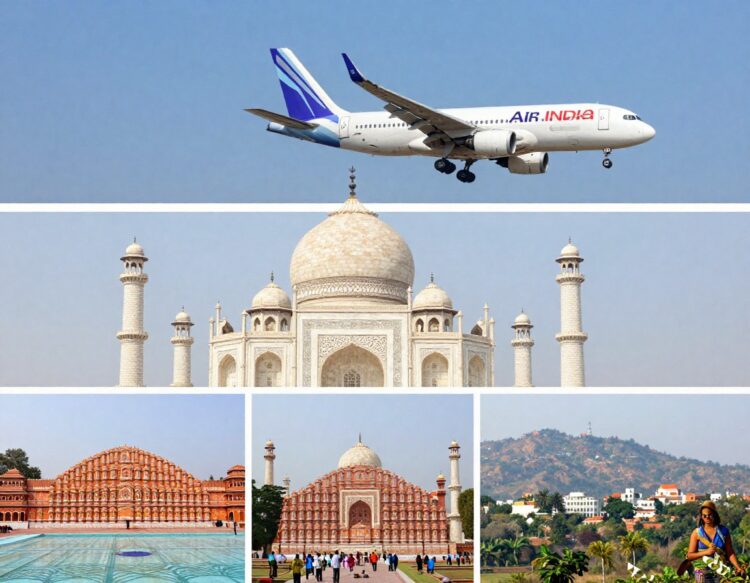
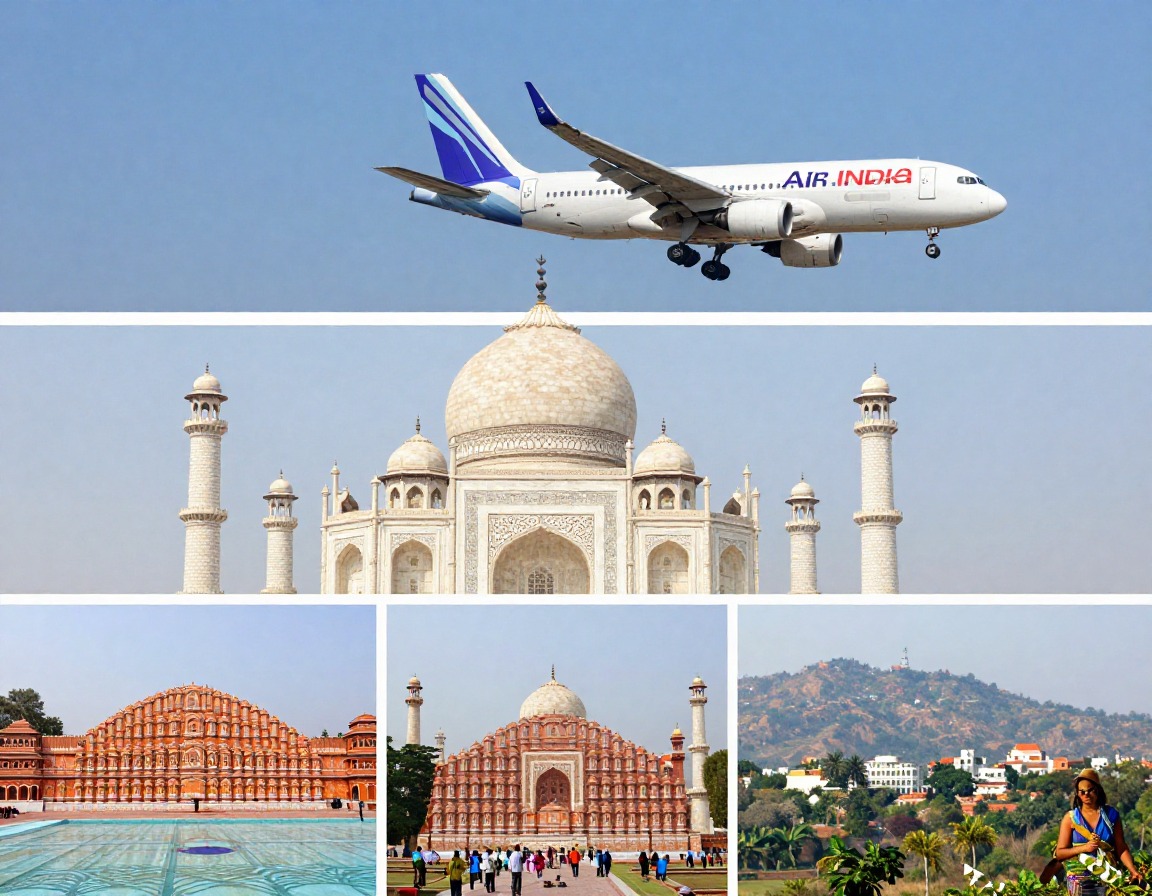
Air India joins IndiGo, Akasa Air, SpiceJet, and Vistara in Setting to Lead Asia’s Next Aviation Boo...
Comprehensive Summarization:
Air India, alongside industry leaders IndiGo, Akasa Air, and SpiceJet, is set to play a pivotal role in Asia’s aviation revolution, as forecasted by Boeing. The industry is projected to require nearly 3,300 new aircraft by 2044, driven by a 7% annual growth in air traffic. This growth trajectory underscores the escalating demand for air travel in the region, positioning these airlines at the forefront of a transformative era in aviation.
Key Points:
Boeing’s Forecast: Boeing predicts a significant increase in the number of new aircraft required in India and South Asia by 2044, estimating a need for nearly 3,300 new aircraft.
Growth in Air Traffic: The region is expected to see a 7% annual growth in air traffic, fueling the demand for more aircraft to meet the rising demand.
Leadership in Aviation: Air India, IndiGo, Akasa Air, and SpiceJet are identified as key players leading this aviation revolution, highlighting their strategic importance in the industry.
Industry Context: The article is set within the broader context of Asia’s aviation sector, emphasizing the role of these airlines in shaping the future of air travel in the region.
Actionable Takeaways:
Strategic Investment in Fleet Expansion: Airlines like Air India, IndiGo, Akasa Air, and SpiceJet should consider strategic investments in fleet expansion to capitalize on the projected growth in air traffic. This move will position them as leaders in the Asia-Pacific aviation market, ensuring they meet the increasing demand for air travel efficiently and effectively.
Focus on Sustainable Aviation: Given the rapid growth in air traffic, there is a pressing need for these airlines to invest in sustainable aviation technologies. This includes adopting more fuel-efficient aircraft and exploring eco-friendly fuel options. Such investments will not only help in reducing the carbon footprint but also align with global trends towards sustainable travel, potentially opening up new market opportunities and enhancing brand reputation.
Leverage Technological Advancements: The article highlights the importance of technological advancements in driving the aviation revolution. Airlines should prioritize the integration of advanced technologies such as AI for operational efficiency, digital platforms for enhanced customer experience, and data analytics for informed decision-making. This will enable them to stay competitive in a rapidly evolving industry landscape.
Contextual Insights:
The article reflects the current state of the aviation industry, where growth in air traffic is a primary driver of demand for new aircraft. The forecast by Boeing underscores the urgency for airlines to adapt to this changing landscape. The focus on Asia’s aviation sector highlights the region’s growing importance in the global air travel market, driven by increasing economic activity and rising middle-class populations. This context is crucial for understanding the strategic importance of the developments discussed, particularly for airlines aiming to expand their operations in this dynamic market. Furthermore, the emphasis on sustainable aviation aligns with broader industry trends and regulatory pressures, making it a key area for future innovation and investment.
Read the Complete Article.
Boutique Travel VC raises investment cap from $1.5M to $10M to lead rounds and support portfolio companies through growth Travel...
Read moreDetails




