


















Travel Capitalist Ventures Expands Check Size to $10 Million to Deepen Emerging Market Conviction
Boutique Travel VC raises investment cap from $1.5M to $10M to lead rounds and support portfolio companies through growth Travel...
Read moreDetails
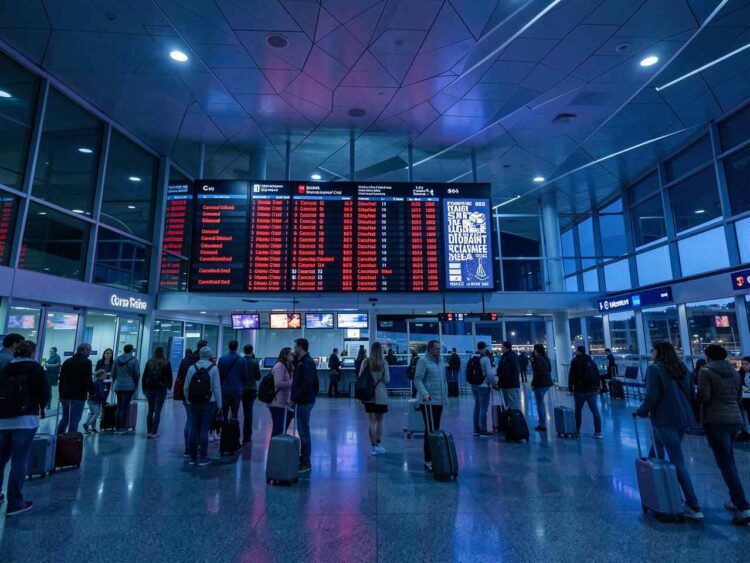
Air India, IndiGo, Vistara, SpiceJet Cancel 444+ International Flights as Iran Airspace Closes — UAE...
Comprehensive Summarization:
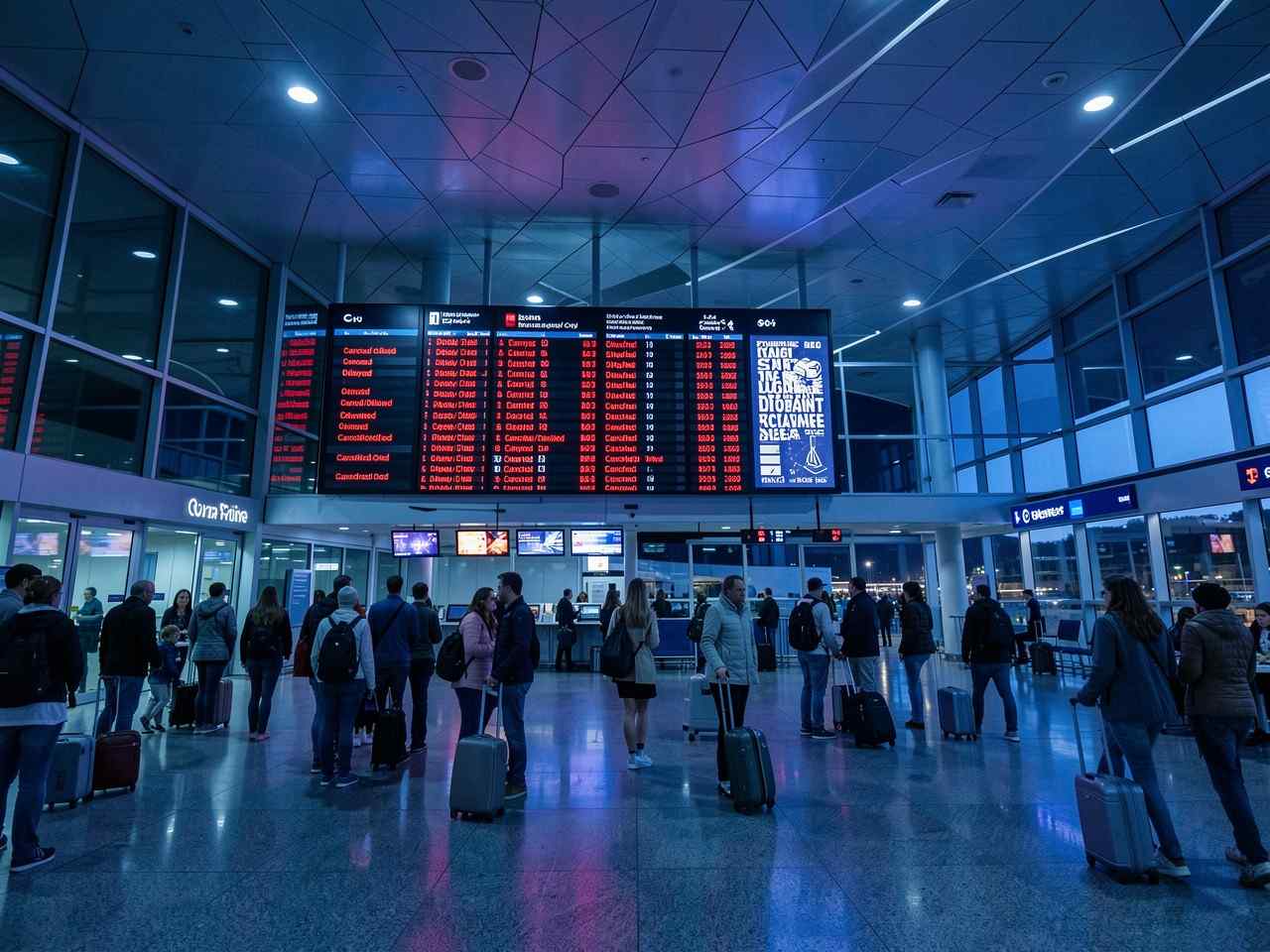
The article reports a significant disruption in the Indian aviation sector following the closure of Iran airspace due to escalating tensions between the US, Israel, and Iran. Major airlines such as Air India, IndiGo, Vistara, and SpiceJet have canceled over 444 international flights, causing shockwaves across the UAE, Saudi Arabia, and Qatar tourism sectors, as well as impacting Marriott and Hilton hotels. This sudden development is attributed to the heightened security concerns and airspace restrictions imposed by India’s civil aviation authorities. The article highlights the immediate impact on travel and tourism, emphasizing the ripple effects on related industries like hospitality and fintech.
Key Points:
Actionable Takeaways:
Implement Flexible Cancellation Policies: Airlines should consider offering more flexible cancellation policies to mitigate the impact of future airspace restrictions. This can help retain customer trust and reduce financial losses during unforeseen disruptions.
Diversify Routes and Destinations: Travel companies should explore diversifying their route networks to include alternative destinations that are less susceptible to geopolitical risks. This strategy can help mitigate the impact of future disruptions and ensure business continuity.
Enhance Digital Reservations and Payment Systems: Given the rapid cancellation of flights, there is an opportunity for travel companies to invest in robust digital reservation and payment systems. This can streamline the booking process, reduce operational delays, and improve customer satisfaction during crises.
Contextual Understanding:
The article reflects the heightened sensitivity of the travel industry to geopolitical events, particularly in regions with ongoing tensions. The closure of Iran airspace is a direct consequence of the escalating US-Israel-Iran conflict, which has led to immediate and severe disruptions in air travel. This incident highlights the interconnectedness of global events and their ripple effects on the travel sector. From a forward-looking perspective, the article underscores the importance of adaptability and resilience in the face of geopolitical uncertainties. It also emphasizes the need for travel companies to invest in digital solutions that can enhance operational efficiency and customer experience during crises.
Handling Different Article Types:
The article in question is a news blurb, providing factual information about a recent event in the travel industry. The summary, key points, and actionable takeaways are structured to reflect the concise nature of news blurbs, ensuring that the information is clear and directly relevant to a professional audience. The context provided integrates the immediate impact of the event with broader implications for the industry, aligning with the typical style of news blurbs that aim to inform quickly and effectively.
Read the Complete Article.
Boutique Travel VC raises investment cap from $1.5M to $10M to lead rounds and support portfolio companies through growth Travel...
Read moreDetails




