

























Travel Capitalist Ventures Expands Check Size to $10 Million to Deepen Emerging Market Conviction
Boutique Travel VC raises investment cap from $1.5M to $10M to lead rounds and support portfolio companies through growth Travel...
Read moreDetails
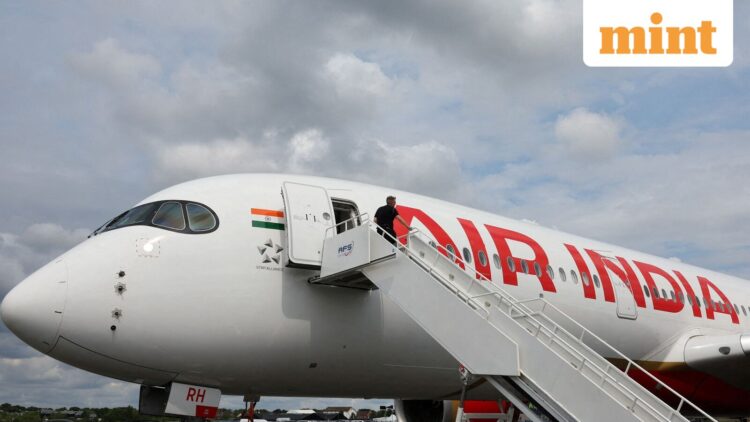
When Air India launched its ambitious Vihaan.AI transformational programme, it aimed to have a market share of 30% as a group within five years.(REUTERS)
Article Summary:
One year after the merger of Vistara with Air India, the joint venture continues to navigate challenges in its turnaround. The article highlights the ongoing difficulties faced by Air India, including supply chain issues, market dynamics, and geopolitical challenges. Despite these obstacles, the journey towards recovery is progressing, albeit at a slower pace than anticipated. The focus remains on addressing these hurdles to stabilize and revitalize the airline’s operations.
Key Points:
Actionable Takeaways:
Strategic Supply Chain Management: To accelerate recovery, Air India should prioritize the optimization of its supply chain. Implementing advanced logistics solutions and building resilient supply chain networks can mitigate disruptions and improve operational efficiency. This is crucial as supply chain challenges are identified as a primary hurdle in the airline’s turnaround.
Market Adaptation and Diversification: Given the dynamic market conditions and geopolitical uncertainties, Air India should focus on diversifying its market offerings. This could include expanding routes to untapped regions, enhancing customer experience through digital platforms, and exploring partnerships with other airlines or travel companies. Such strategies can help stabilize revenue streams and reduce dependency on volatile market conditions.
Contextual Insights:
The article reflects the current state of the travel industry, characterized by ongoing recovery efforts following significant mergers and the impact of global events on airline operations. The challenges highlighted—supply chain issues, market dynamics, and geopolitical tensions—are common themes in the industry, particularly in the wake of the COVID-19 pandemic and geopolitical shifts.
Forward-looking insights suggest that the travel industry is increasingly embracing digital transformation and technological advancements to overcome these challenges. Innovations in travel tech, such as AI-driven customer service, blockchain for secure transactions, and advanced analytics for operational efficiency, are becoming pivotal. For startups and established players alike, investing in these areas can drive innovation, enhance customer satisfaction, and ensure long-term sustainability in a competitive market.
In conclusion, while the journey for Air India remains challenging, strategic focus on supply chain management, market adaptation, and technological innovation can pave the way for a successful turnaround. These actionable insights, grounded in the article’s factual context, offer a roadmap for the airline to navigate current industry dynamics and emerge stronger.
Read the Complete Article.
Boutique Travel VC raises investment cap from $1.5M to $10M to lead rounds and support portfolio companies through growth Travel...
Read moreDetails




