

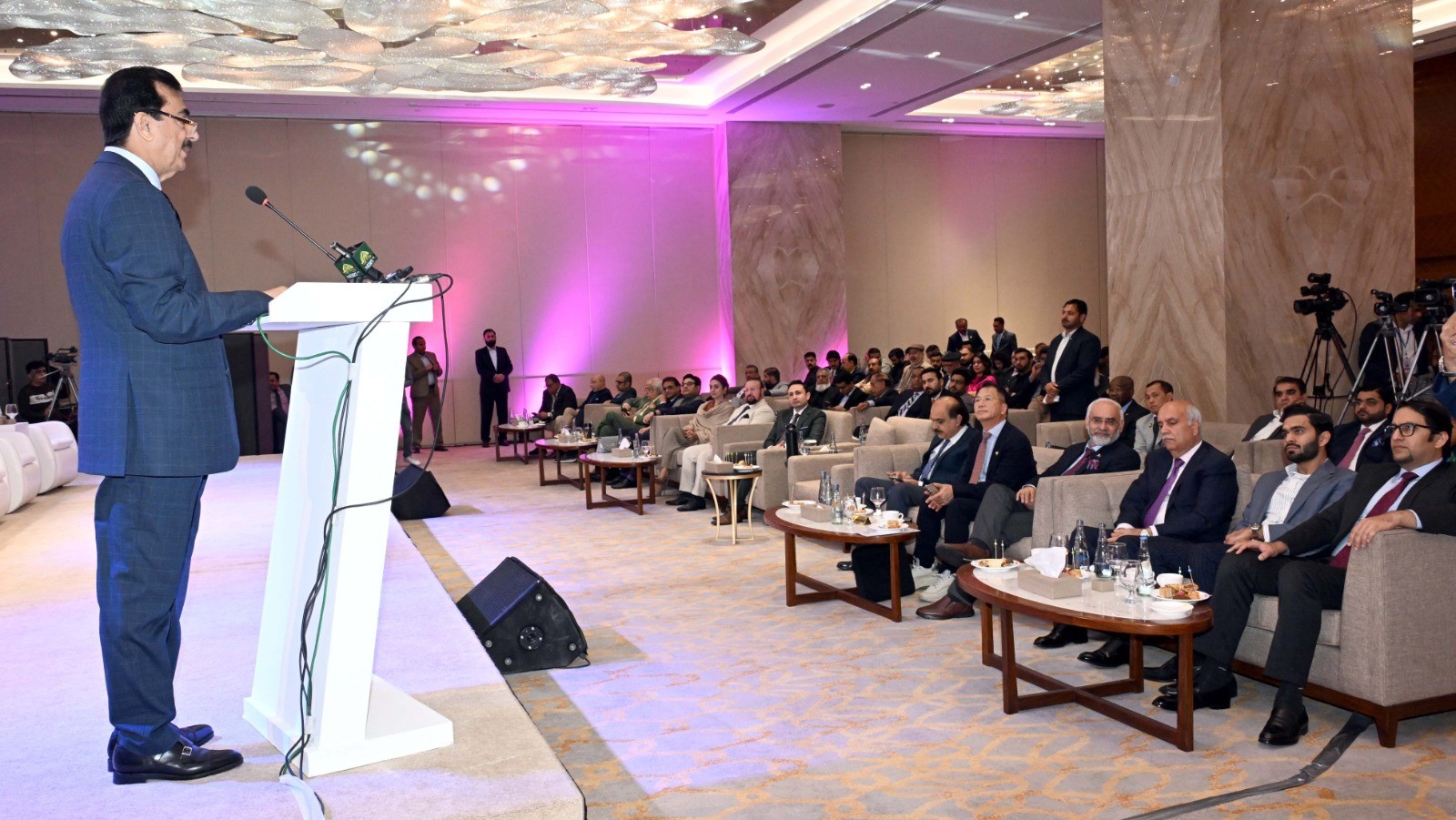





















Travel Capitalist Ventures Expands Check Size to $10 Million to Deepen Emerging Market Conviction
Boutique Travel VC raises investment cap from $1.5M to $10M to lead rounds and support portfolio companies through growth Travel...
Read moreDetails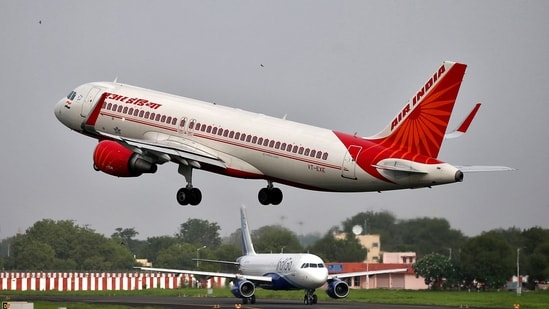

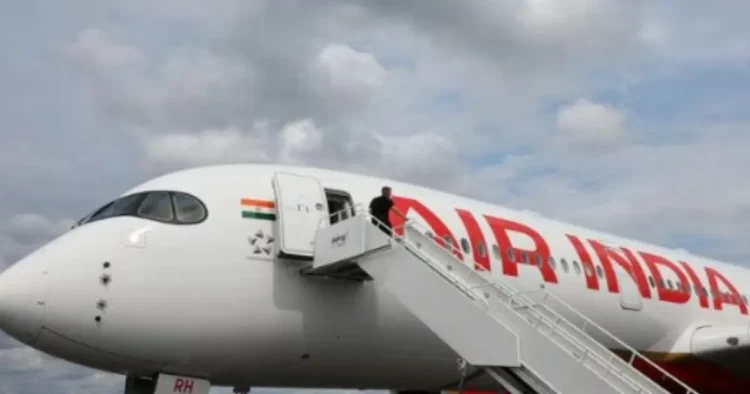
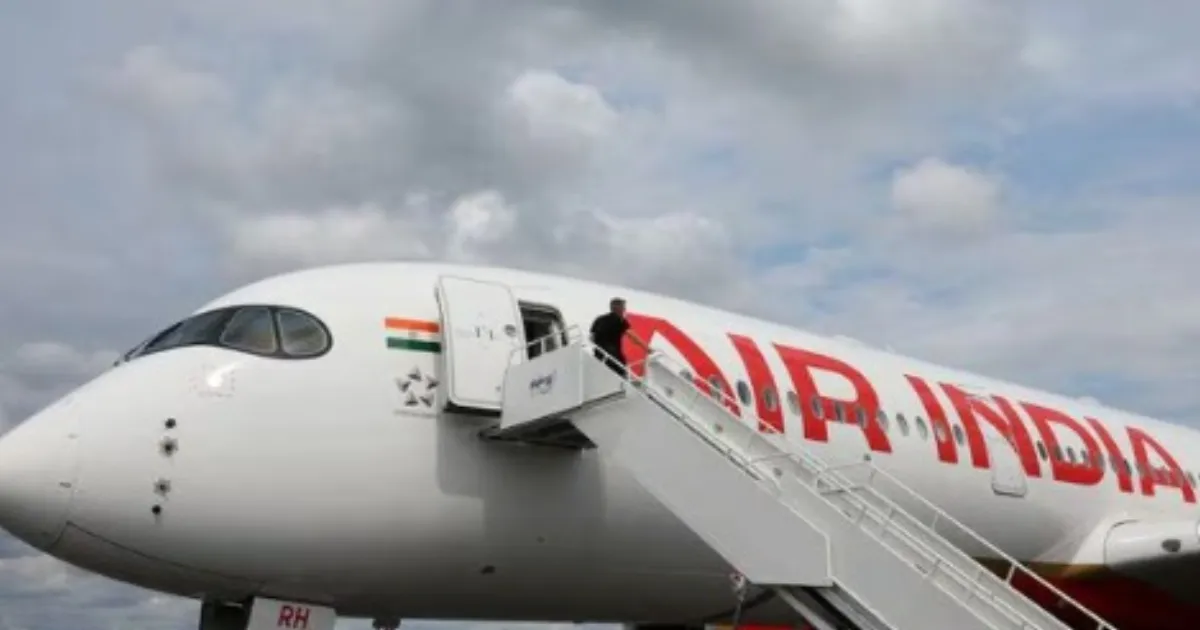
Air India-Vistara Merger: Fleet Down to 187 Aircraft, Weekly Flights Reduced
Article Summary:
One year after the merger between Air India and Vistara, the newly formed Tata Group-owned airline, Air India-Vistara, is operating with a smaller fleet and fewer flights than anticipated. This outcome contrasts with the expectations of rapid expansion. The challenges faced include persistent supply chain disruptions, geopolitical tensions, and a tragic accident in June 2025 that resulted in 241 fatalities on a Boeing 787 flight bound for Ahmedabad. Despite these hurdles, the airline continues to navigate the complexities of the travel industry amidst ongoing disruptions and evolving market conditions.
Key Points:
Post-Merger Fleet and Flight Reduction: The combined airline operates a smaller fleet and fewer flights than at the time of integration, contrary to expectations of rapid expansion.
Supply Chain Disruptions: The airline is grappling with persistent supply chain disruptions, which have impacted its operational capacity and growth trajectory.
Geopolitical Tensions: Ongoing geopolitical tensions have further complicated the airline’s operations and expansion plans.
Tragic Accident Impact: A tragic accident in June 2025 claimed 241 lives, significantly affecting the airline’s reputation and operational confidence.
Actionable Takeaways:
Operational Efficiency Review: Given the smaller fleet and reduced flight operations, Air India-Vistara should conduct a thorough review of its operational efficiency. This includes optimizing flight schedules, leveraging technology for better route planning, and enhancing supply chain resilience to mitigate future disruptions.
Invest in Safety Protocols: In light of the tragic accident, the airline should prioritize the implementation of stringent safety protocols and regular maintenance checks, especially for its Boeing 787 fleet. This will not only restore confidence among passengers but also ensure compliance with industry safety standards.
Contextual Insights:
The article reflects the current challenges faced by the airline industry, particularly in the wake of significant mergers and the impact of external factors such as geopolitical tensions and supply chain disruptions. The focus on safety, especially after a tragic accident, underscores the industry’s emphasis on passenger safety and regulatory compliance. The insights provided align with current travel trends, emphasizing the need for operational resilience and strategic adaptability in the face of evolving market conditions. Forward-looking perspectives suggest that airlines must invest in technological advancements and safety measures to regain market confidence and sustain growth in a competitive landscape.
Read the Complete Article.
Boutique Travel VC raises investment cap from $1.5M to $10M to lead rounds and support portfolio companies through growth Travel...
Read moreDetails




