






















Travel Capitalist Ventures Expands Check Size to $10 Million to Deepen Emerging Market Conviction
Boutique Travel VC raises investment cap from $1.5M to $10M to lead rounds and support portfolio companies through growth Travel...
Read moreDetails
No Merger For Now, Air India And Vistara Will Coexist Under Tata Group
Comprehensive Summarization:
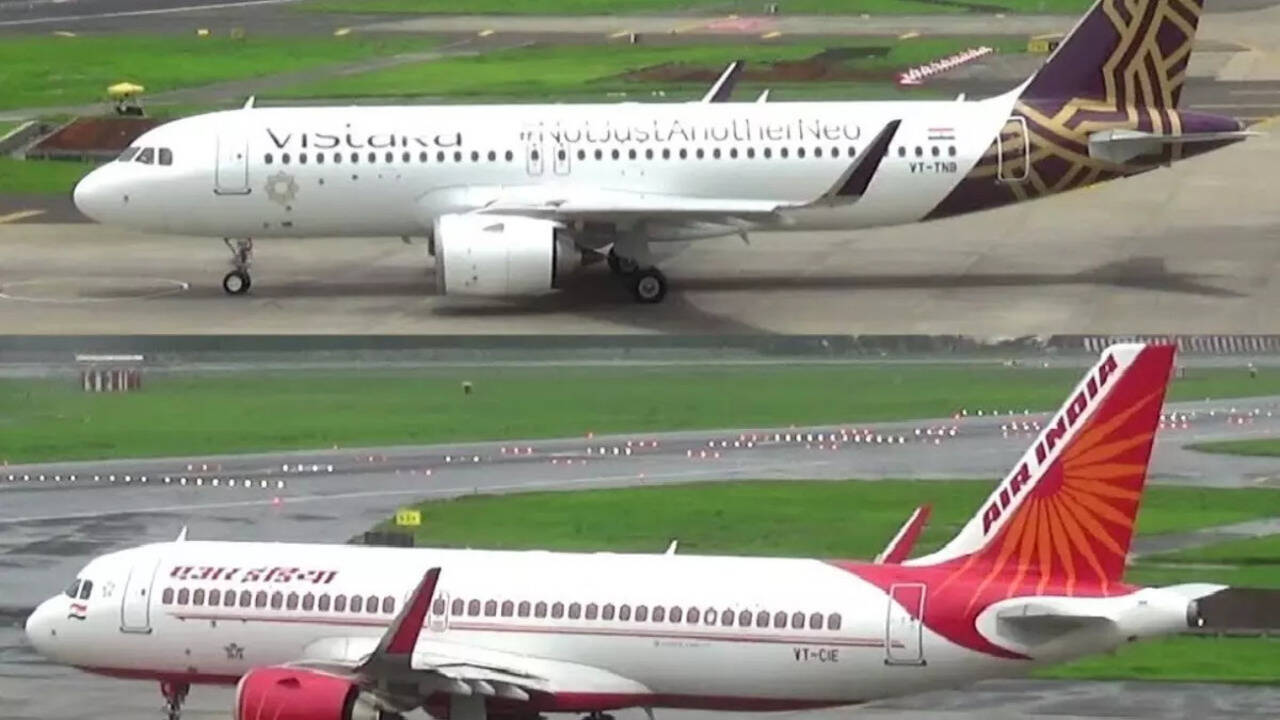
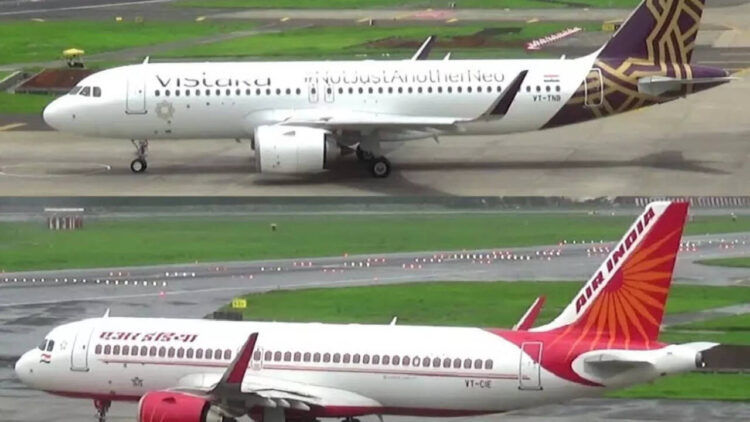
The article discusses the potential future of Air India under the Tata Group’s management, following the group’s interest in acquiring the airline. Before this acquisition, the Tata Group was operating Air Asia India and Vistara, a full-service airline in partnership with Singapore Airlines. The Tata Group now operates four airlines: Air India, Air India Express, Air Asia India, and Vistara. The acquisition of Air India is expected to consolidate the group’s presence in the Indian aviation market, potentially leading to increased efficiency, expanded services, and competitive advantages in the sector.
Key Points:
Actionable Takeaways:
Potential Consolidation in the Indian Aviation Market: The acquisition of Air India by the Tata Group could lead to increased efficiency and competitive advantages in the Indian aviation market. This consolidation could result in improved service offerings and potentially lower fares for consumers, benefiting the overall travel industry in India.
Expansion of Tata Group’s Presence in the Aviation Sector: By acquiring Air India, the Tata Group will operate four airlines, significantly expanding its footprint in the aviation sector. This expansion could lead to increased market share, allowing the Tata Group to influence industry standards and practices, and potentially setting new benchmarks for service quality and operational efficiency.
Contextual Insights:
The acquisition of Air India by the Tata Group is a strategic move that aligns with the broader trend of consolidation in the aviation industry. As airlines seek to optimize operations and compete in a rapidly evolving market, mergers and acquisitions have become common strategies for growth and market dominance. The Tata Group’s move to acquire Air India reflects this trend and underscores the importance of strategic partnerships and acquisitions in driving innovation and growth in the travel sector.
The article also highlights the Tata Group’s existing presence in the Indian aviation market through Air Asia India and Vistara. This existing footprint provides a strong foundation for the acquisition of Air India, enabling the group to leverage its current operations to drive synergies and efficiencies. Furthermore, the article’s mention of Vistara’s partnership with Singapore Airlines adds a layer of international credibility and potential for cross-border collaborations, which could be beneficial in the context of global travel trends and connectivity.
In terms of travel tech and fintech innovations, the consolidation of airlines under the Tata Group could facilitate the integration of advanced technologies and financial services. For instance, the group could explore the implementation of integrated loyalty programs, digital ticketing solutions, and enhanced customer service platforms across its airlines. This technological integration could set new standards for the travel industry, particularly in terms of customer experience and operational efficiency.
Structured Output Format:
markdown
Comprehensive Summarization:
The article discusses the potential future of Air India under the Tata Group’s management, following the group’s interest in acquiring the airline. The Tata Group currently operates Air Asia India and Vistara, and the acquisition of Air India would result in the group operating four airlines: Air India, Air India Express, Air Asia India, and Vistara. This consolidation is expected to enhance efficiency, expand services, and provide competitive advantages in the Indian aviation market.
Key Points:
Actionable Takeaways:
Contextual Insights:
The acquisition of Air India by the Tata Group aligns with the broader trend of consolidation in the aviation industry, where strategic mergers and acquisitions drive growth and market dominance. The Tata Group’s existing presence in the Indian aviation market through Air Asia India and Vistara provides a strong foundation for this acquisition, enabling synergies and efficiencies. Additionally, the potential integration of advanced travel tech and fintech innovations could set new standards for customer experience and operational efficiency in the travel industry.
Read the Complete Article.
Boutique Travel VC raises investment cap from $1.5M to $10M to lead rounds and support portfolio companies through growth Travel...
Read moreDetails




