



























Travel Capitalist Ventures Expands Check Size to $10 Million to Deepen Emerging Market Conviction
Boutique Travel VC raises investment cap from $1.5M to $10M to lead rounds and support portfolio companies through growth Travel...
Read moreDetails
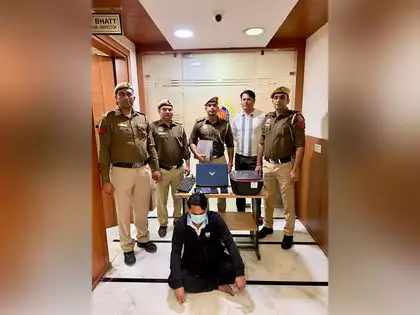
Delhi Police Exposes Fake Vistara Job Offer, Arrests Key Accused
Article Summary:
The article discusses a sophisticated job scam in India, where a WhatsApp profile bearing the Vistara logo, a forged letter of intent, and QR codes were used to deceive potential job seekers. This highlights the evolution of job scams in India, becoming more polished, personalized, and difficult to detect. The scam reflects broader trends in job fraud, leveraging familiar brands and digital communication channels to create convincing deception.
Key Points:
Actionable Takeaways:
Contextual Insights:
The article reflects a concerning trend in the job recruitment sector, where job scams are becoming increasingly sophisticated. The use of familiar brand logos, such as Vistara, in deceptive communications highlights the importance of brand protection in the digital age. As job scams evolve, the travel industry must adapt by integrating robust verification mechanisms and leveraging technology to safeguard against such fraudulent activities. This not only protects individuals from financial and personal harm but also maintains the integrity of the recruitment process, ensuring that genuine opportunities are accessible to all. The article also underscores the broader implications for travel startups and fintech innovations, as the industry continues to embrace digital transformation, necessitating a proactive approach to security and trust-building in online transactions.
Read the Complete Article.
Boutique Travel VC raises investment cap from $1.5M to $10M to lead rounds and support portfolio companies through growth Travel...
Read moreDetails




