




















Travel Capitalist Ventures Expands Check Size to $10 Million to Deepen Emerging Market Conviction
Boutique Travel VC raises investment cap from $1.5M to $10M to lead rounds and support portfolio companies through growth Travel...
Read moreDetails
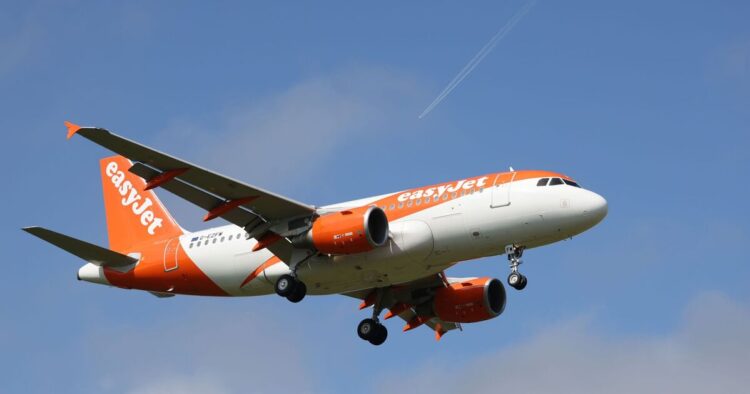
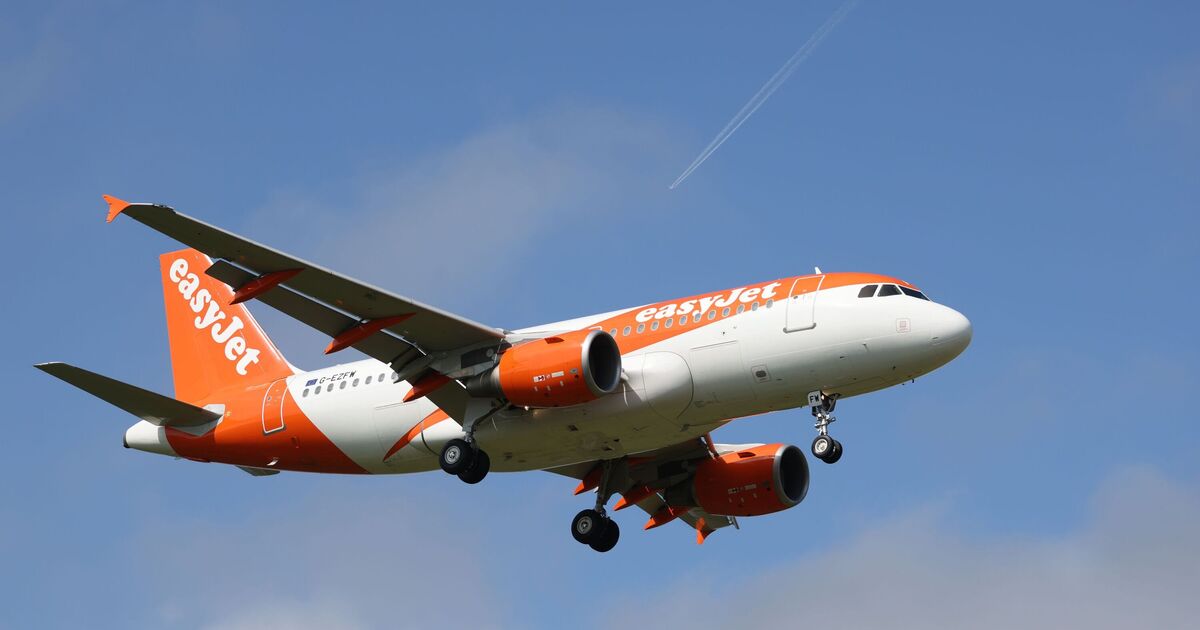
Airbus planes: EasyJet and Wizz Air passengers issued disruption warning this Sunday | UK | News
Article Summary:
The European Union Aviation Safety Agency (EASA) has issued a precautionary instruction for several UK airlines to carry out a software update on some Airbus 320 aircrafts. This update is necessary for the safety of the A320 family of aircrafts, although not all A320 planes will require the update. The article highlights the importance of software updates in the aviation industry, particularly in maintaining safety standards and ensuring the reliability of aircraft operations.
Key Points:
Actionable Takeaways:
Contextual Insights:
The software update mandated by EASA reflects a broader trend in the aviation industry towards enhanced safety and reliability through technological advancements. As the travel industry continues to evolve, with increasing emphasis on safety and efficiency, the adoption of software updates and other technological innovations becomes crucial. This trend is particularly relevant for startups and established airlines alike, as they navigate the complexities of maintaining modern aircraft fleets. Furthermore, the article highlights the interconnectedness of regulatory bodies, airlines, and the broader travel ecosystem, where safety standards set by agencies like EASA directly impact operational practices across the industry. As such, stakeholders must remain vigilant and adaptable to emerging regulatory requirements and technological advancements to sustain competitive advantage and ensure passenger safety.
Read the Complete Article.
Boutique Travel VC raises investment cap from $1.5M to $10M to lead rounds and support portfolio companies through growth Travel...
Read moreDetails




