



















Travel Capitalist Ventures Expands Check Size to $10 Million to Deepen Emerging Market Conviction
Boutique Travel VC raises investment cap from $1.5M to $10M to lead rounds and support portfolio companies through growth Travel...
Read moreDetails
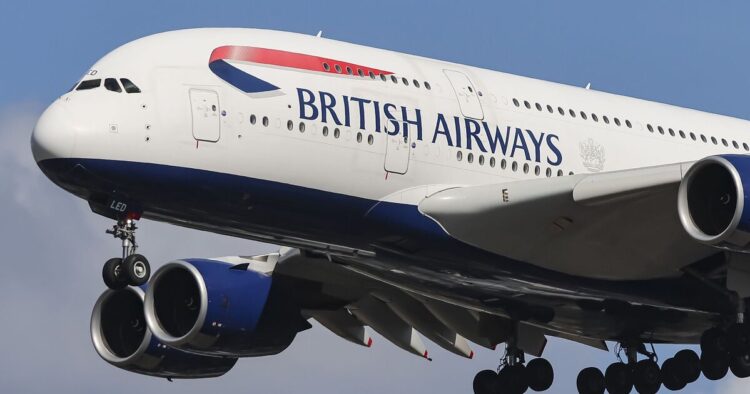
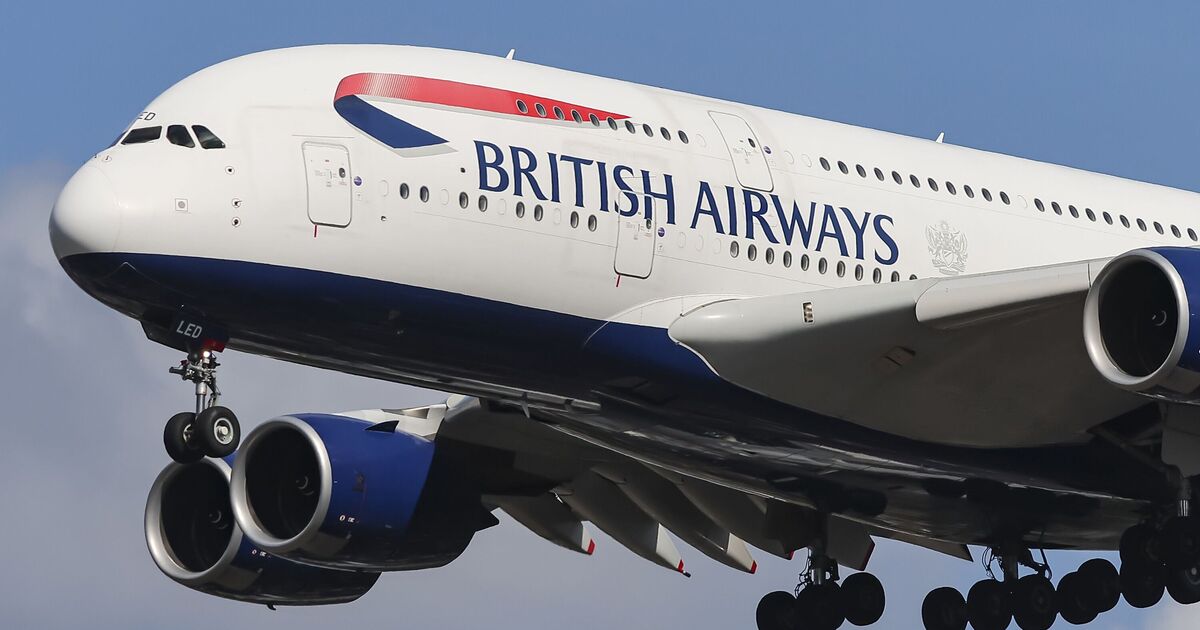
British Airways, Wizz Air and Ryanair pay out millions after first rejecting compensation | Personal...
Comprehensive Summarization:
The article highlights a significant issue in the travel industry where airlines have been compelled to pay millions of pounds in compensation to passengers whose claims for delayed or canceled flights were previously rejected. The Civil Aviation Authority (CAA) reported that nearly £11 million was paid out between October 2024 and October 2025 to affected customers. The majority of these compensation payouts were made by British Airways (BA), followed by Wizz Air, Ryanair, and easyJet. British Airways alone paid £6.9 million over claims. This situation underscores the growing scrutiny and potential legal challenges faced by airlines due to operational delays and cancellations, impacting customer satisfaction and trust in the industry.
Key Points:
Actionable Takeaways:
Enhanced Operational Transparency: Airlines should improve their communication and operational transparency to prevent customer dissatisfaction and potential legal challenges. Clear and timely updates regarding flight status can mitigate the risk of claim rejections.
Invest in Customer Support Systems: Airlines should invest in robust customer support systems, including AI-driven chatbots and dedicated customer service teams, to handle and resolve customer complaints efficiently. This can reduce the likelihood of claim rejections and enhance customer trust.
Regulatory Compliance and Risk Management: Airlines should prioritize regulatory compliance and robust risk management strategies to anticipate and mitigate potential operational issues. This includes investing in technology to predict and manage delays and cancellations proactively.
Contextual Insights:
The article reflects a broader trend in the travel industry where operational reliability is increasingly under the microscope. Recent events, such as the COVID-19 pandemic and subsequent travel restrictions, have highlighted the vulnerabilities in airline operations. The growing scrutiny from consumer groups and regulatory bodies like the CAA indicates a shift towards more stringent accountability measures. Forward-looking insights suggest that airlines must innovate in areas such as predictive analytics and customer experience management to stay competitive. The rise of travel tech startups focusing on AI-driven solutions for flight tracking and customer support could offer airlines a competitive edge in managing operational challenges and enhancing customer satisfaction.
Read the Complete Article.
Boutique Travel VC raises investment cap from $1.5M to $10M to lead rounds and support portfolio companies through growth Travel...
Read moreDetails




