



















Travel Capitalist Ventures Expands Check Size to $10 Million to Deepen Emerging Market Conviction
Boutique Travel VC raises investment cap from $1.5M to $10M to lead rounds and support portfolio companies through growth Travel...
Read moreDetails
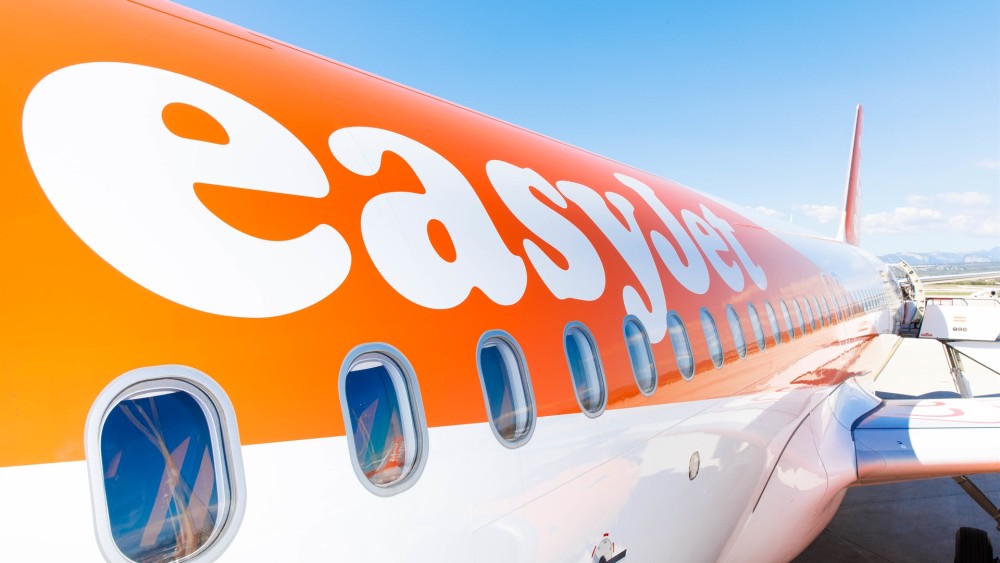
easyJet Joins Ryanair, and Wizz Air: The Ultimate Powerhouses in Europe’s 2026 Airline Safety Rankin...
Comprehensive Summarization:
The article highlights that easyJet has joined the ranks of Ryanair, Wizz Air, Transavia, and other powerhouse airlines as part of Europe’s safest low-cost carriers, as per the 2026 Airline Safety Rankings. This development underscores a significant achievement in airline safety across Europe, showcasing these airlines’ commitment to safety and setting new industry standards. As the travel industry continues to evolve, these airlines are leading the way in prioritizing passenger safety, which is crucial in the current context of heightened travel demands and safety concerns.
Key Points:
Actionable Takeaways:
Prioritize Safety in Low-Cost Air Travel: Airlines should focus on enhancing safety measures to compete in the growing low-cost carrier market. This includes investing in modern aircraft, rigorous training for staff, and advanced safety protocols, which can attract more passengers and differentiate from competitors.
Invest in Safety Technology: The ranking highlights the importance of integrating advanced safety technologies. Airlines should invest in state-of-the-art safety equipment and systems to ensure passenger safety, which can be a key selling point in a competitive market.
Set New Safety Standards: Airlines can leverage this ranking to set new safety benchmarks within the industry. By continuously improving safety measures, airlines can position themselves as leaders in safety, attracting safety-conscious travelers and potentially gaining a competitive edge.
Contextual Insights:
The ranking of easyJet alongside other major airlines like Ryanair and Wizz Air as part of Europe’s safest low-cost carriers is a significant development in the travel industry. This reflects a broader trend where safety is becoming a paramount concern for both airlines and passengers. As travel demand continues to recover and evolve post-pandemic, safety remains a critical factor influencing consumer choices. The article aligns with current industry trends emphasizing the importance of safety in attracting and retaining customers. Moreover, it underscores the role of technology and innovation in enhancing safety, a trend that is likely to continue shaping the future of the travel industry. Thought leaders predict that airlines prioritizing safety will not only meet regulatory requirements but also gain a competitive advantage by appealing to a growing segment of safety-conscious travelers.
Read the Complete Article.
Boutique Travel VC raises investment cap from $1.5M to $10M to lead rounds and support portfolio companies through growth Travel...
Read moreDetails



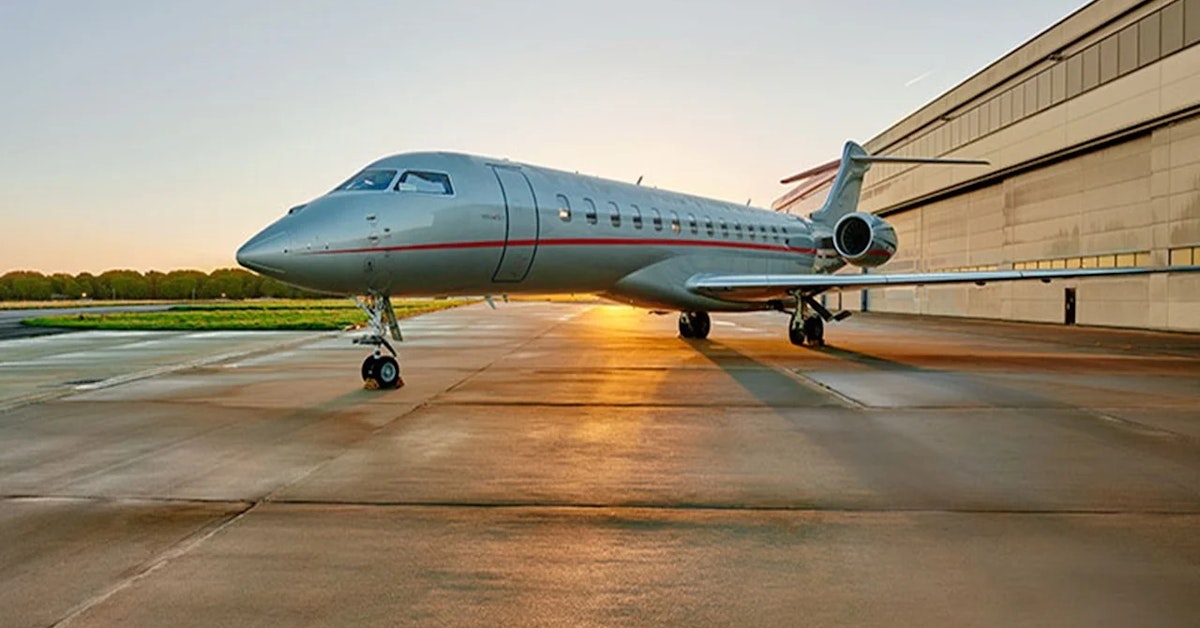
Comprehensive Summarization: VistaJet and XO, parent company Vista Global, are reportedly considering an IPO, according to financial website 9fin. The...
Read moreDetails
