























Travel Capitalist Ventures Expands Check Size to $10 Million to Deepen Emerging Market Conviction
Boutique Travel VC raises investment cap from $1.5M to $10M to lead rounds and support portfolio companies through growth Travel...
Read moreDetails
Travel Hiccups Across Europe as Olympic, easyJet, KLM, Wizz, Air France, and More Airlines Face 33 C...
Article Summary:
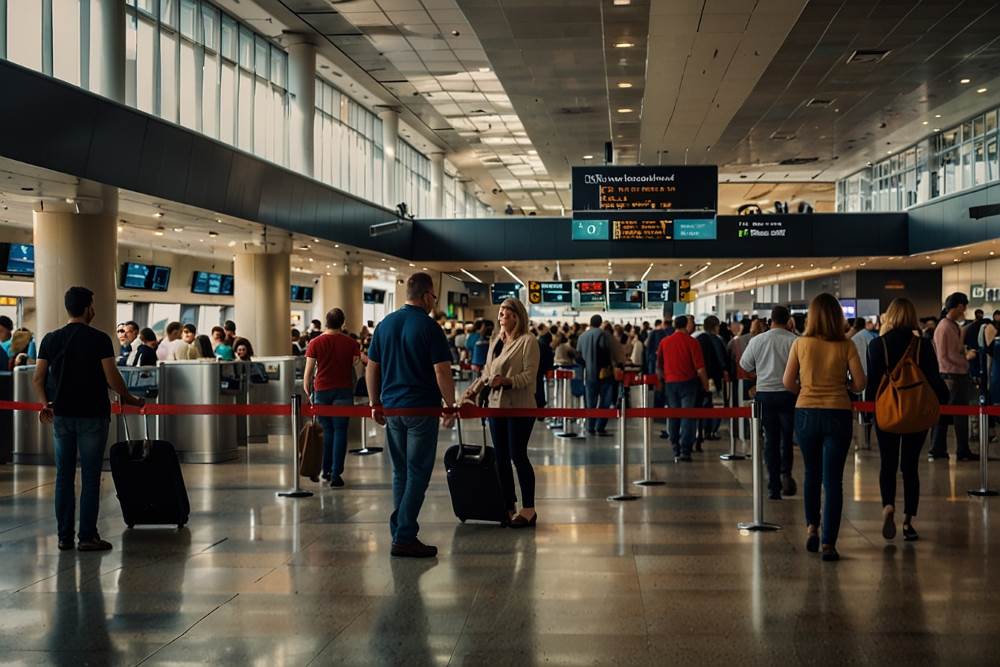
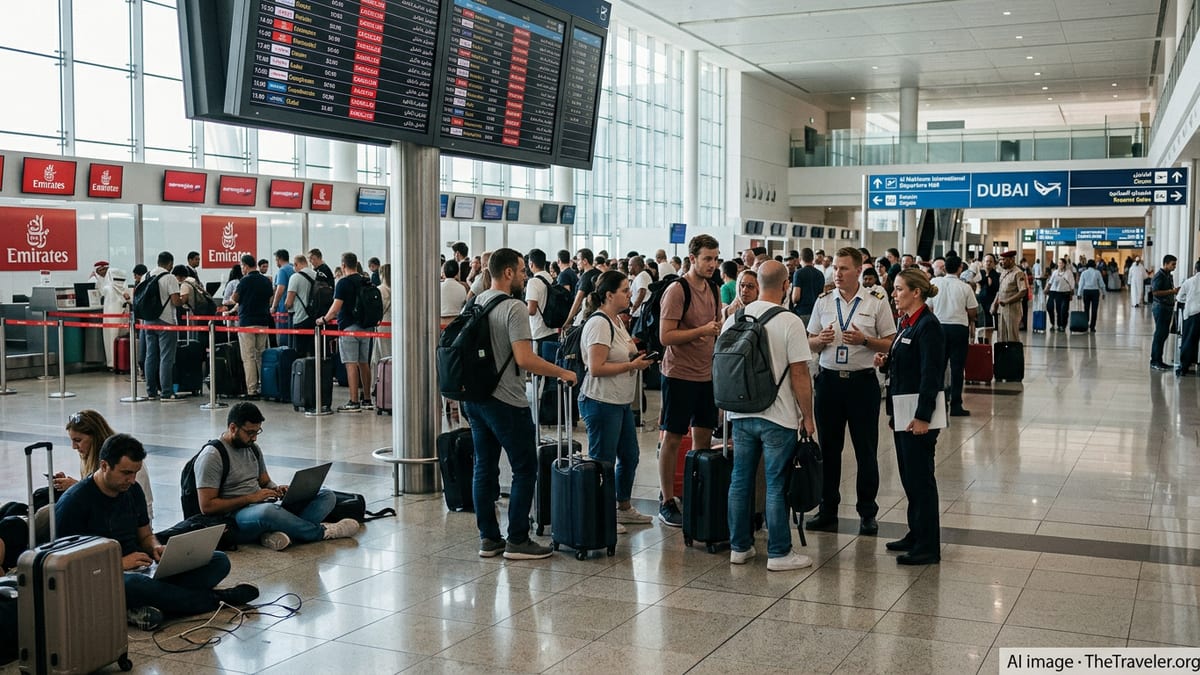
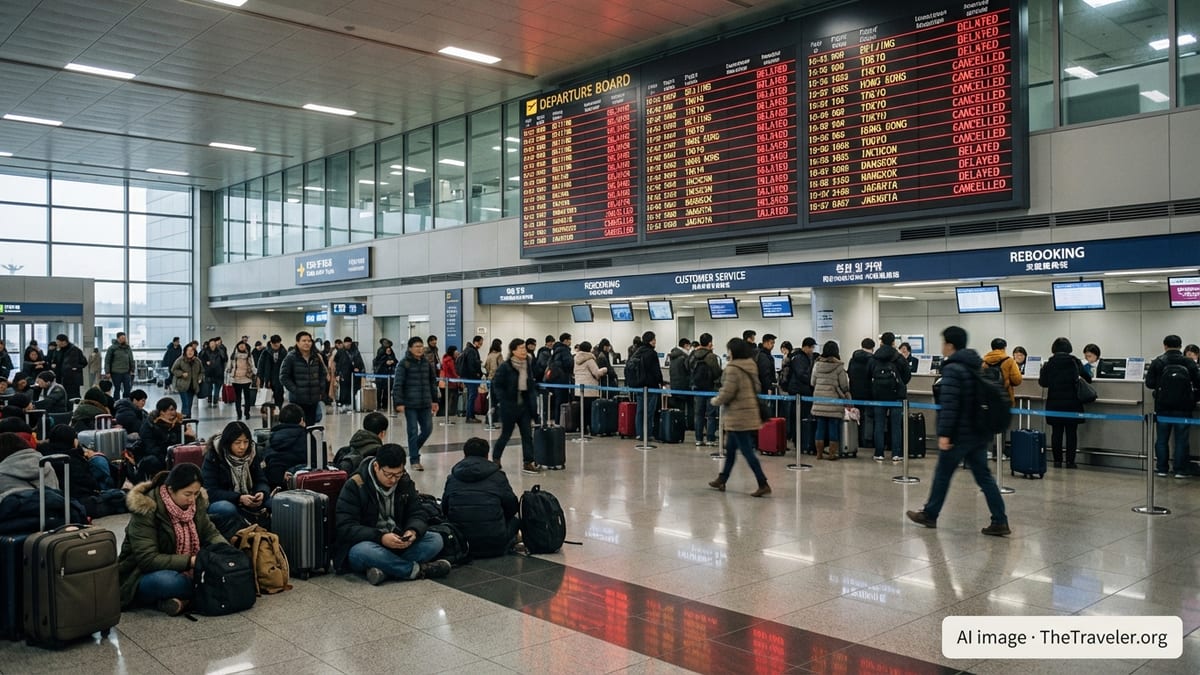
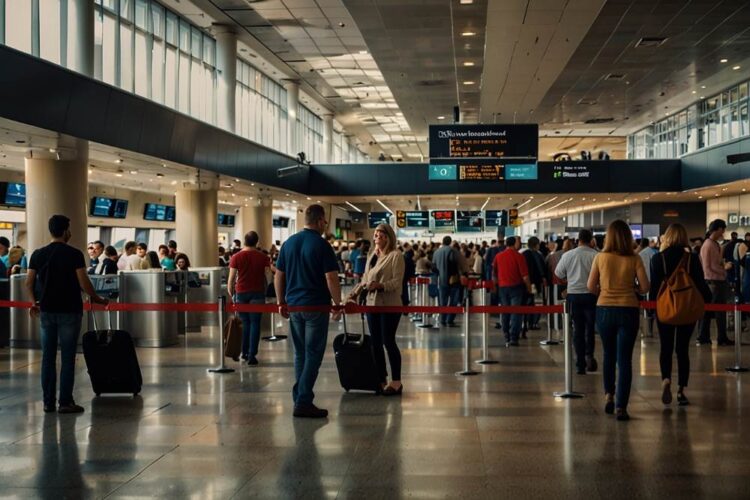
The article reports on significant disruptions in European air travel, with Olympic, easyJet, KLM, Wizz Air, Air France, and other airlines experiencing 33 cancelled flights and 1,290 delays across France, Germany, Greece, Portugal, and other affected regions, including Paris, Frankfurt, Athens, and Lisbon. The disruptions are attributed to the Olympic Games and operational issues, impacting thousands of travelers across multiple European cities.
Key Points:
Actionable Takeaways:
Travel Planning Adjustments: Travelers planning to visit affected regions should consider alternative travel dates or modes of transportation to avoid potential delays and cancellations. This includes checking airline status updates regularly and exploring ground transportation options.
Industry Preparedness: Airlines and travel service providers should enhance their operational resilience by investing in real-time tracking systems and flexible booking policies. This can help mitigate the impact of unforeseen disruptions and improve customer satisfaction during travel emergencies.
Market Adaptation: The travel industry should focus on leveraging technology to improve communication with travelers. Implementing robust customer support systems and transparent communication channels can help manage expectations and reduce frustration during travel disruptions.
Contextual Insights:
The disruptions in European air travel highlight the vulnerabilities within the current travel infrastructure, particularly in managing large-scale events and operational challenges. The Olympic Games, while a significant cultural and sporting event, can place immense strain on transportation networks, leading to widespread travel disruptions. This situation underscores the need for airlines and travel service providers to adopt more agile and resilient operational strategies.
Moreover, the article reflects broader trends in the travel industry, such as the increasing reliance on technology for real-time updates and the growing importance of customer communication during crises. As the industry continues to evolve, innovations in travel tech, including AI-driven customer service and predictive analytics for flight disruptions, are likely to become more prevalent. These advancements can help airlines and travel companies better anticipate and respond to disruptions, ultimately enhancing the travel experience for passengers.
In conclusion, while the current disruptions in European air travel present challenges, they also serve as a catalyst for the industry to innovate and improve its operational capabilities. By focusing on actionable insights and contextual understanding, stakeholders can navigate these disruptions more effectively and position themselves for future growth in a dynamic travel landscape.
Read the Complete Article.
Boutique Travel VC raises investment cap from $1.5M to $10M to lead rounds and support portfolio companies through growth Travel...
Read moreDetails




