






















Travel Capitalist Ventures Expands Check Size to $10 Million to Deepen Emerging Market Conviction
Boutique Travel VC raises investment cap from $1.5M to $10M to lead rounds and support portfolio companies through growth Travel...
Read moreDetails
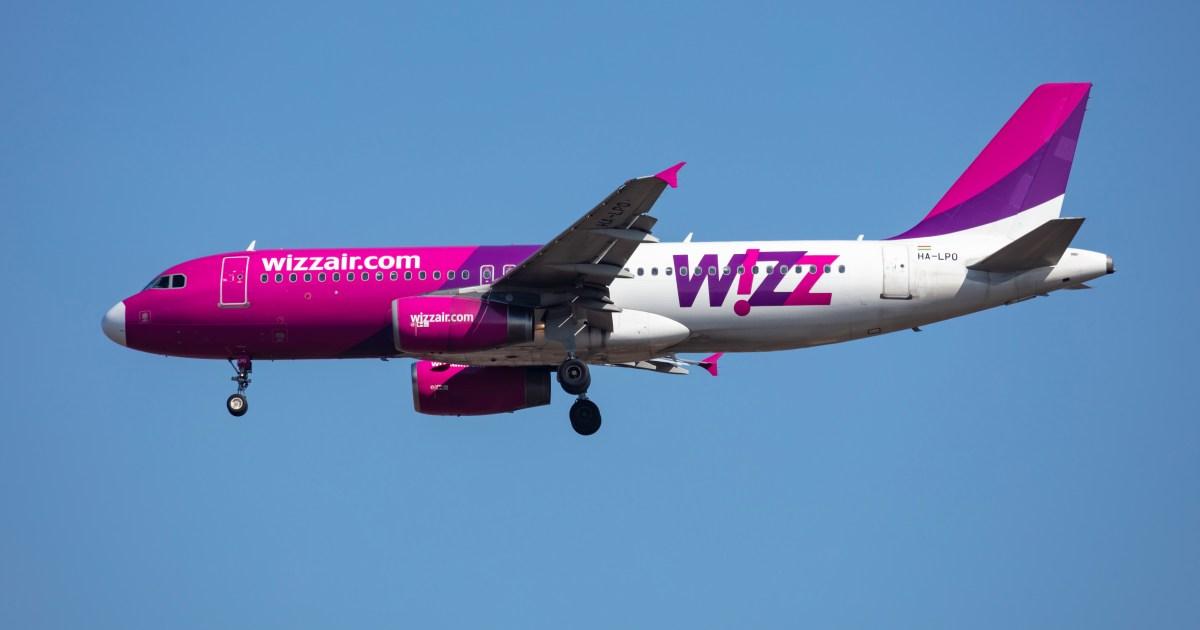
The Wizz Air jet was met by fighter jets (Credits: Getty Images)
Comprehensive Summarization:
The article reports on an incident involving a Wizz Air flight from London to Tel Aviv, where Israeli fighter jets were scrambled after ‘threatening messages were sent to passengers’. The flight was en route from Luton to Ben-Gurion Airport when the ‘security incident’ occurred. The crew informed the control tower at Ben-Gurion Airport, leading to the deployment of fighter jets. The article highlights the security measures in place within the travel industry and the measures taken to ensure passenger safety in response to such threats.
Key Points:
Actionable Takeaways:
Enhanced Security Protocols in Air Travel: The incident underscores the importance of robust security protocols in air travel. Airlines and airports should continuously review and update their security measures to address potential threats effectively. This could involve investing in advanced threat detection systems and ensuring that crew members are well-trained to handle such situations swiftly and efficiently.
Communication and Coordination Among Stakeholders: The swift communication between the flight crew and the control tower at Ben-Gurion Airport played a crucial role in managing the situation. This highlights the need for seamless coordination among all stakeholders involved in air travel, including airlines, airports, air traffic control, and security agencies. Establishing clear communication channels and protocols can significantly enhance response times and overall safety during security incidents.
Contextual Insights:
The incident reflects the ongoing challenges faced by the travel industry in maintaining passenger safety amidst evolving security threats. Recent trends indicate a growing emphasis on cybersecurity and threat management within the travel sector. Thought leaders emphasize the necessity of integrating advanced technologies, such as AI-driven threat detection systems and real-time communication tools, to preempt and mitigate security risks effectively. This incident serves as a reminder of the critical role that innovation plays in safeguarding the travel experience. Furthermore, it highlights the importance of fostering a culture of vigilance and preparedness among all parties involved in air travel operations, ensuring that the industry remains resilient against potential threats.
Read the Complete Article.
Boutique Travel VC raises investment cap from $1.5M to $10M to lead rounds and support portfolio companies through growth Travel...
Read moreDetails



Comprehensive Summarization: Atlys, a visa processing platform founded in 2021 by Mohak Nahta, has announced its first Employee Stock Ownership...
Read moreDetails
