






















Travel Capitalist Ventures Expands Check Size to $10 Million to Deepen Emerging Market Conviction
Boutique Travel VC raises investment cap from $1.5M to $10M to lead rounds and support portfolio companies through growth Travel...
Read moreDetails
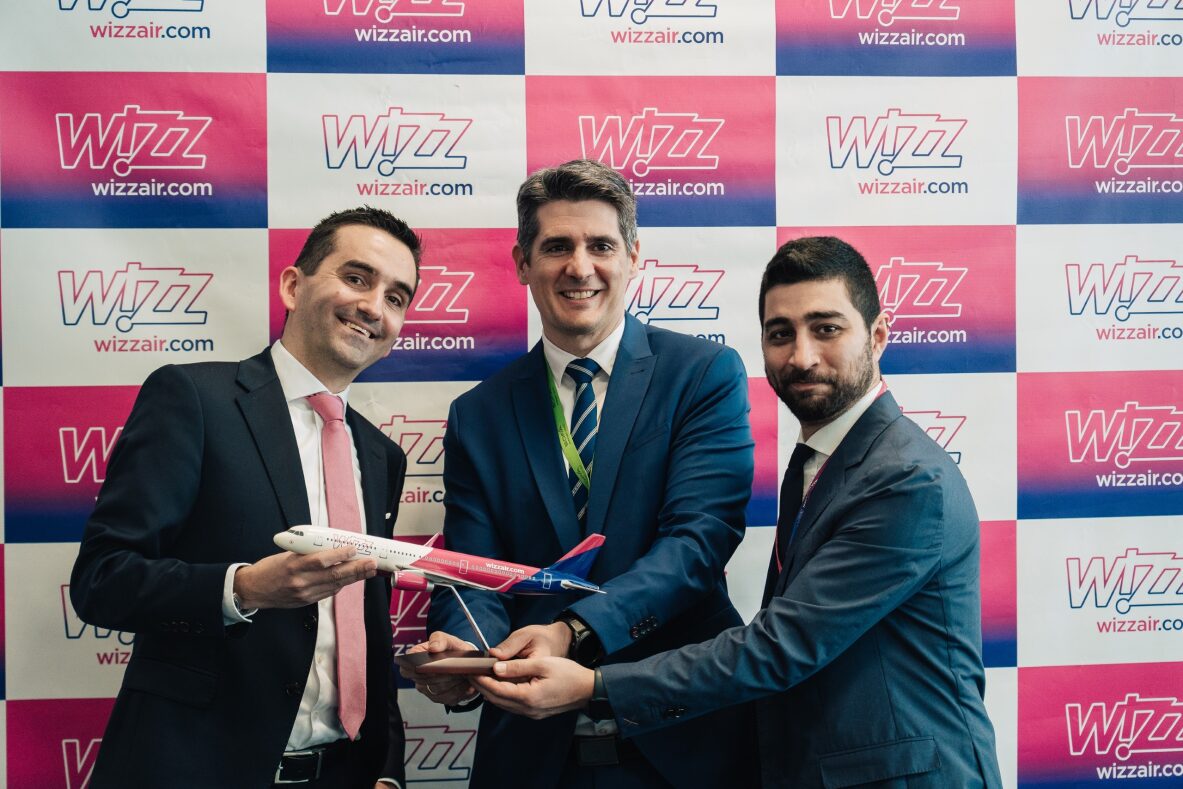
Greece Joins Italy, Hungary, Egypt, and Bulgaria in Wizz Air’s Massive Expansion with New Routes fro...
Comprehensive Summarization:
Wizz Air, Bulgaria’s leading low-cost airline, has announced a significant expansion of its operations with the introduction of five new routes from Sofia to popular European and Egyptian destinations. These new routes include Budapest, Hungary; Palermo, Italy; Rhodes, Greece; Hurghada, Egypt; and Sharm el-Sheikh, Egypt. This strategic move underscores Wizz Air’s commitment to broadening its market reach and enhancing connectivity across Europe and the Middle East. The expansion comes at a time when the travel industry is witnessing a resurgence post-pandemic, with increased demand for affordable and accessible travel options. The article, published on January 31, 2026, by Paramita Sarkar, highlights this development within the context of Europe’s airlines news, positioning Wizz Air as a key player in the evolving travel landscape.
Key Points:
Actionable Takeaways:
Strategic Market Expansion: Wizz Air’s new routes signify a strategic move to capture a larger share of the European and Middle Eastern markets. For travel industry stakeholders, this presents an opportunity to analyze and potentially capitalize on emerging travel trends in these regions. Understanding Wizz Air’s expansion can provide insights into consumer demand and market gaps that can be addressed with tailored travel solutions.
Opportunities for Travel Startups: The expansion highlights the increasing demand for affordable travel options, particularly in regions like Greece, Italy, and Egypt. For startups in the travel tech sector, this could be a cue to innovate in areas such as digital booking platforms, travel packages, or loyalty programs that cater to budget-conscious travelers. The focus on low-cost routes suggests a market preference for value-driven travel experiences, which startups can leverage to develop competitive offerings.
Fintech Innovations in Travel: With the expansion, there is a potential increase in transactions related to travel bookings, accommodations, and services across these new routes. This presents an opportunity for fintech companies to innovate in areas such as travel payment solutions, currency exchange services, and travel insurance offerings. By aligning with Wizz Air’s expansion, fintech solutions can tap into a growing market of travelers seeking seamless and cost-effective travel experiences.
Contextual Insights:
The expansion of Wizz Air’s routes from Sofia to key European and Egyptian destinations reflects broader trends in the travel industry, including the resurgence of air travel post-pandemic and the growing demand for affordable, accessible travel options. This move aligns with the current emphasis on connectivity and convenience, as travelers seek to explore new destinations and re-establish global connections. Furthermore, the timing of this expansion is crucial in the context of Europe’s ongoing recovery from the economic impacts of the pandemic, as increased travel activity can stimulate local economies and support the hospitality sector.
In the context of travel tech and startups, Wizz Air’s strategic expansion underscores the importance of market-driven innovation. As the travel industry continues to evolve, startups that can offer solutions tailored to the needs of budget-conscious travelers—such as streamlined booking processes, competitive pricing, and enhanced digital experiences—will be well-positioned to thrive. Additionally, the focus on low-cost routes highlights the potential for fintech innovations in travel finance, including the development of travel payment solutions that cater to a global, diverse clientele.
Overall, Wizz Air’s expansion serves as a case study in strategic market entry and consumer-driven growth, offering valuable lessons for industry stakeholders looking to navigate the current travel landscape. By leveraging insights from this development, businesses can better anticipate market trends, identify new opportunities, and innovate in response to the evolving demands of travelers.
Read the Complete Article.
Boutique Travel VC raises investment cap from $1.5M to $10M to lead rounds and support portfolio companies through growth Travel...
Read moreDetails



Amsterdam, Netherlands — August 14, 2026 In short: Dutch airline KLM launches new eco-friendly flight program for Gen Z travelers....
Read moreDetails
