




















Travel Capitalist Ventures Expands Check Size to $10 Million to Deepen Emerging Market Conviction
Boutique Travel VC raises investment cap from $1.5M to $10M to lead rounds and support portfolio companies through growth Travel...
Read moreDetails
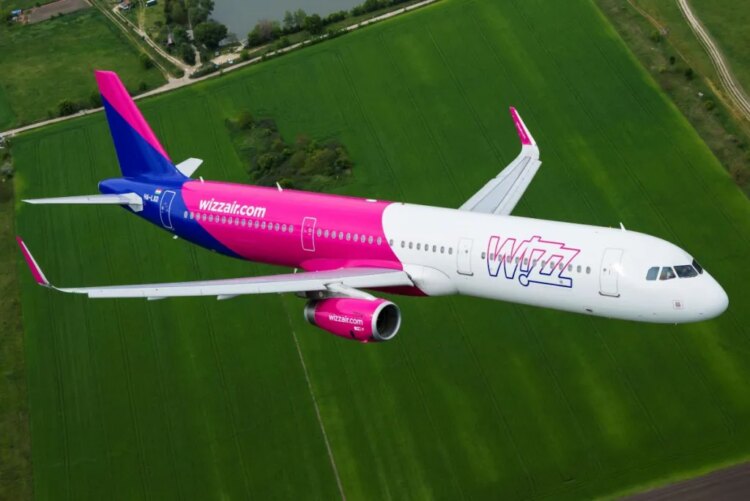
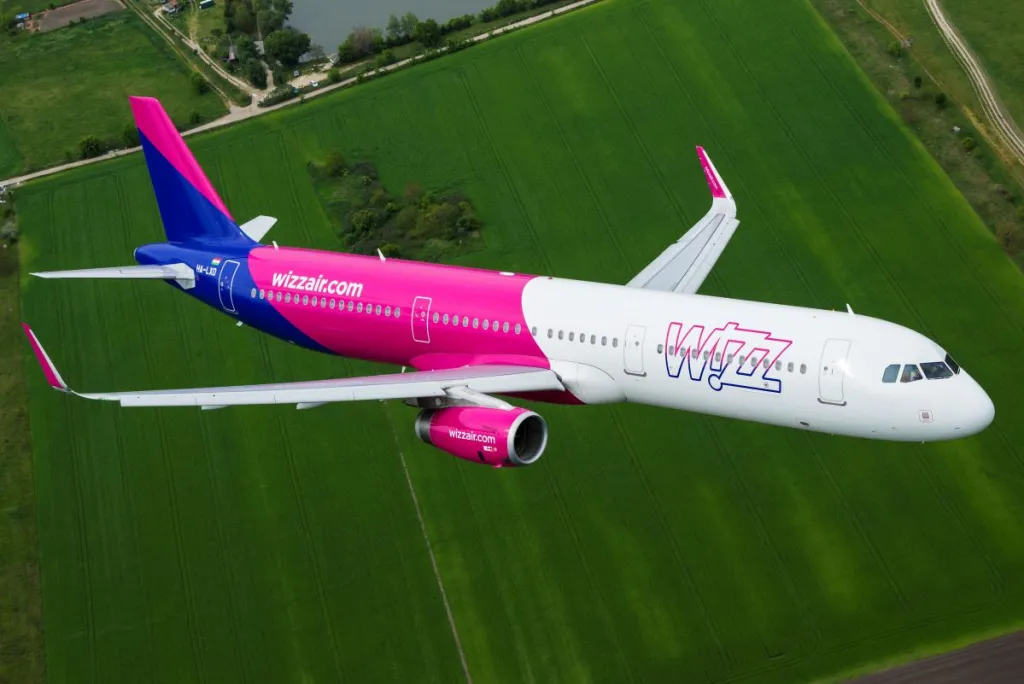
Photo Credit: A file image of a Wizz Air Airbus A321 aircraft. Wizz Air
Article Summary:
In December, two of Europe’s largest low-cost airlines, Ryanair and Wizz Air, reported significant traffic growth, with Wizz Air carrying 5.85 million passengers, marking a more than 15% increase. These figures provide early insights into the strength of the holiday season and the overall health of the travel sector. The article also touches on the latest travel trends and insights from industry thought leaders, highlighting the importance of understanding market dynamics and technological advancements in shaping the future of travel.
Key Points:
Actionable Takeaways:
Contextual Insights:
The reported traffic growth for Wizz Air and Ryanair during the Christmas period underscores the resilience and adaptability of the low-cost airline sector in the face of market challenges. This growth is indicative of a robust holiday travel demand, driven by factors such as post-pandemic recovery, favorable economic conditions, and effective marketing strategies. As the travel industry continues to evolve, the integration of advanced technologies, such as AI-driven customer service and predictive analytics, will play a pivotal role in enhancing operational efficiency and customer satisfaction. Furthermore, the emphasis on understanding and leveraging holiday season trends highlights the importance of data-driven decision-making in shaping future travel strategies. By staying informed about these trends and technological advancements, industry stakeholders can better navigate the competitive landscape and capitalize on emerging opportunities.
Read the Complete Article.
Boutique Travel VC raises investment cap from $1.5M to $10M to lead rounds and support portfolio companies through growth Travel...
Read moreDetails




