





















Travel Capitalist Ventures Expands Check Size to $10 Million to Deepen Emerging Market Conviction
Boutique Travel VC raises investment cap from $1.5M to $10M to lead rounds and support portfolio companies through growth Travel...
Read moreDetails
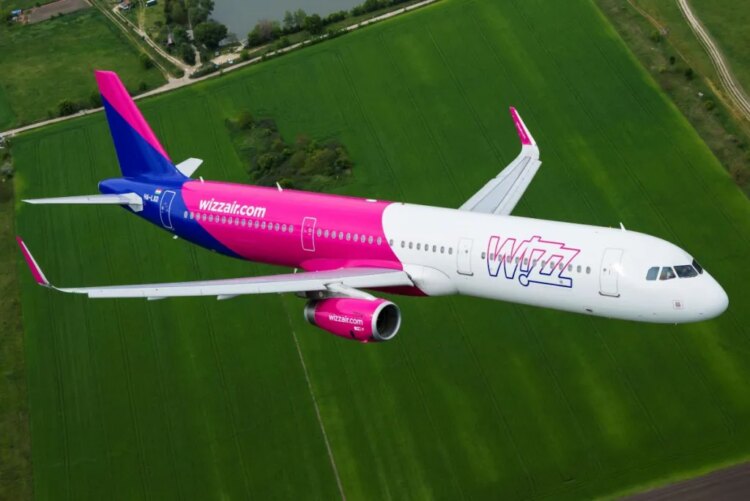
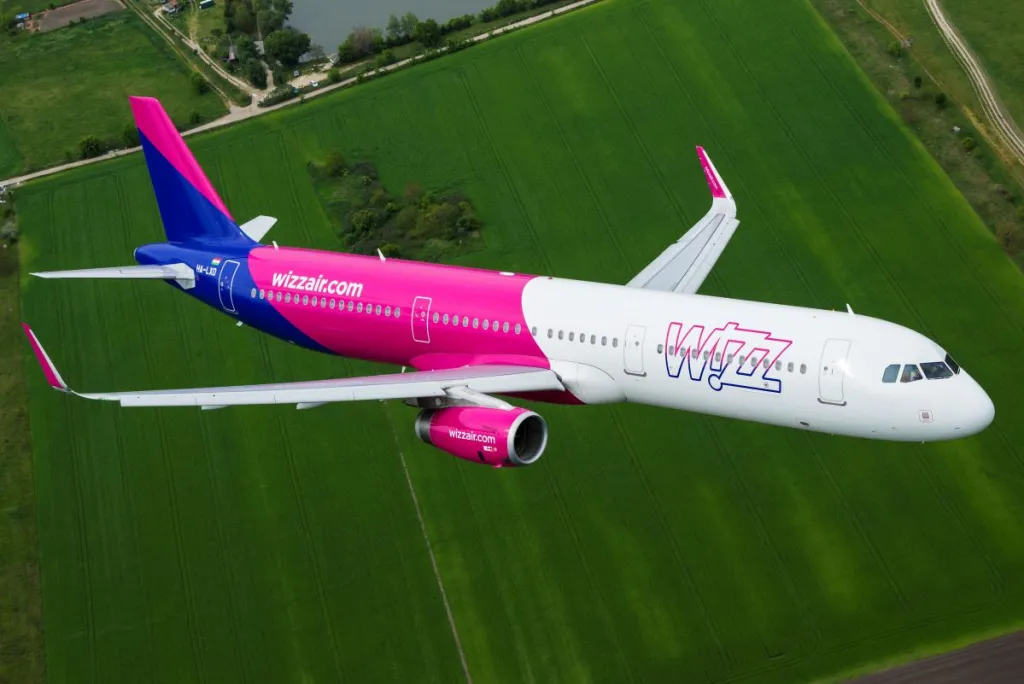
Photo Credit: A file image of a Wizz Air Airbus A321 aircraft. Wizz Air
Article Summary:
In December, two of Europe’s largest low-cost airlines, Ryanair and Wizz Air, reported significant traffic growth. Ryanair carried 5.85 million passengers, marking a more than 15% increase. These figures provide early insights into the strength of the holiday season and the overall health of the travel sector.
Key Points:
Actionable Takeaways:
Contextual Insights:
The reported traffic growth for Ryanair and Wizz Air in December reflects a broader trend of recovery and increased demand in the travel industry, particularly in the low-cost airline segment. This growth is likely influenced by several factors, including the easing of pandemic restrictions, increased consumer confidence, and the resurgence of international travel. The data points to a positive outlook for the travel sector, with low-cost carriers benefiting from their competitive pricing models and flexible travel options. As the industry continues to adapt to post-pandemic realities, these insights suggest that low-cost airlines will remain a key player, driving innovation and growth in travel technology and services. For stakeholders in the travel sector, these trends highlight the importance of leveraging budget-friendly travel options to meet consumer demand and capitalize on the growing market opportunities.
Read the Complete Article.
Boutique Travel VC raises investment cap from $1.5M to $10M to lead rounds and support portfolio companies through growth Travel...
Read moreDetails




