


















Travel Capitalist Ventures Expands Check Size to $10 Million to Deepen Emerging Market Conviction
Boutique Travel VC raises investment cap from $1.5M to $10M to lead rounds and support portfolio companies through growth Travel...
Read moreDetails
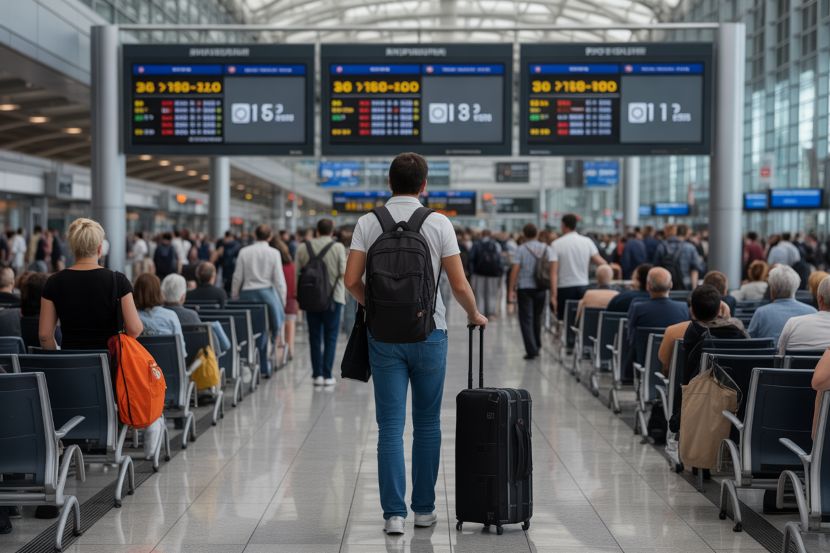
Hundreds of Passengers Stranded Across Italy as KLM, Wizz Air, Air France, British Airways, and Luft...
Article Summary:
On January 7, 2026, Italy faced significant travel disruptions as major airlines including KLM, Wizz Air, Air France, British Airways, and Lufthansa experienced over 493 flight delays and 25 cancellations across key airports such as Leonardo da Vinci Int’l (Fiumicino), Malpensa Int’l, Marco Polo Int’l (Venice), and Bologna (Guglielmo Marconi). The article highlights the severe impact on travel logistics and passenger inconvenience, underscoring the challenges faced by the Italian aviation sector during this period.
Key Points:
Actionable Takeaways:
Contextual Insights:
The disruptions in Italian airports today reflect broader challenges within the global travel industry, particularly in managing operational complexities during peak travel periods. The article underscores the importance of technological advancements in travel tech, such as AI-driven predictive analytics and automated passenger communication systems, which are becoming increasingly vital for maintaining operational efficiency and passenger satisfaction. Furthermore, the incident highlights the growing significance of fintech solutions in managing travel disruptions, such as streamlined refund processes and flexible ticketing options, which can help airlines retain customer trust and loyalty during turbulent times. As the travel industry continues to evolve, embracing these innovations will be crucial for enhancing resilience and ensuring a seamless travel experience for passengers.
Read the Complete Article.
Boutique Travel VC raises investment cap from $1.5M to $10M to lead rounds and support portfolio companies through growth Travel...
Read moreDetails




