




















Travel Capitalist Ventures Expands Check Size to $10 Million to Deepen Emerging Market Conviction
Boutique Travel VC raises investment cap from $1.5M to $10M to lead rounds and support portfolio companies through growth Travel...
Read moreDetails
Hundreds of Passengers Stranded Across Italy as KLM, Wizz Air, Air France, British Airways, and Luft...
Article Summary:
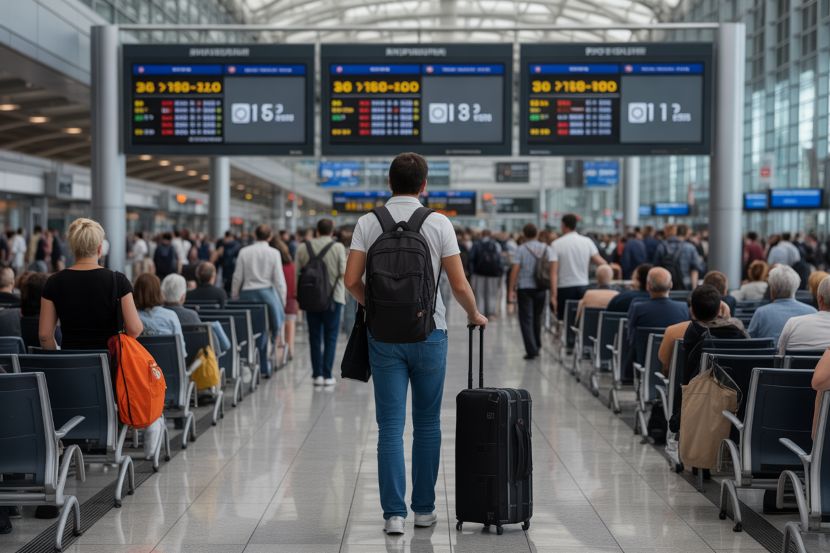
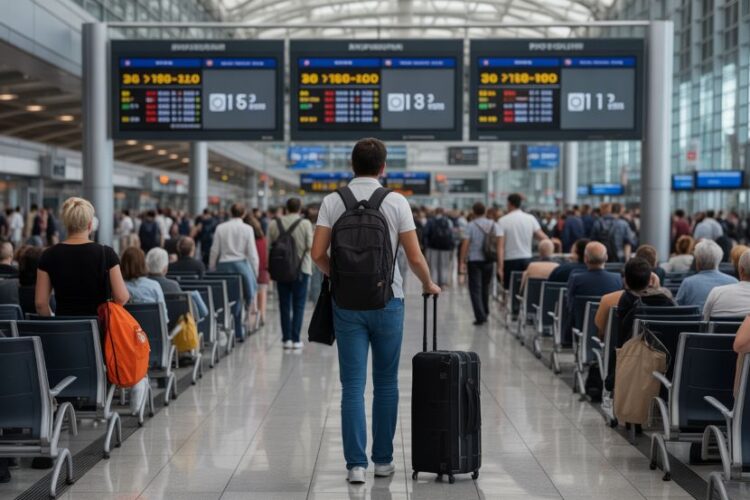
On January 7, 2026, Italy faced significant travel disruptions as major airlines including KLM, Wizz Air, Air France, British Airways, and Lufthansa experienced over 493 flight delays and 25 cancellations across key airports such as Leonardo da Vinci Int’l (Fiumicino), Malpensa Int’l, Marco Polo Int’l (Venice), and Bologna (Guglielmo Marconi). The article highlights the severe impact on travel logistics in Italy, affecting hundreds of passengers and disrupting travel plans across the country.
Key Points:
Actionable Takeaways:
Contextual Insights:
The disruptions in Italian airports today reflect broader challenges faced by the global travel industry, particularly in managing large-scale operational issues. The article highlights the importance of technological advancements in travel tech, such as real-time tracking and communication systems, which are becoming increasingly critical in maintaining operational efficiency. Furthermore, the incident underscores the need for airlines to adopt innovative solutions that enhance passenger experience during unforeseen disruptions. As the travel industry continues to evolve, integrating cutting-edge technologies and prioritizing customer-centric strategies will be essential for navigating future challenges and maintaining competitive advantage.
Read the Complete Article.
Boutique Travel VC raises investment cap from $1.5M to $10M to lead rounds and support portfolio companies through growth Travel...
Read moreDetails




