


















Travel Capitalist Ventures Expands Check Size to $10 Million to Deepen Emerging Market Conviction
Boutique Travel VC raises investment cap from $1.5M to $10M to lead rounds and support portfolio companies through growth Travel...
Read moreDetails
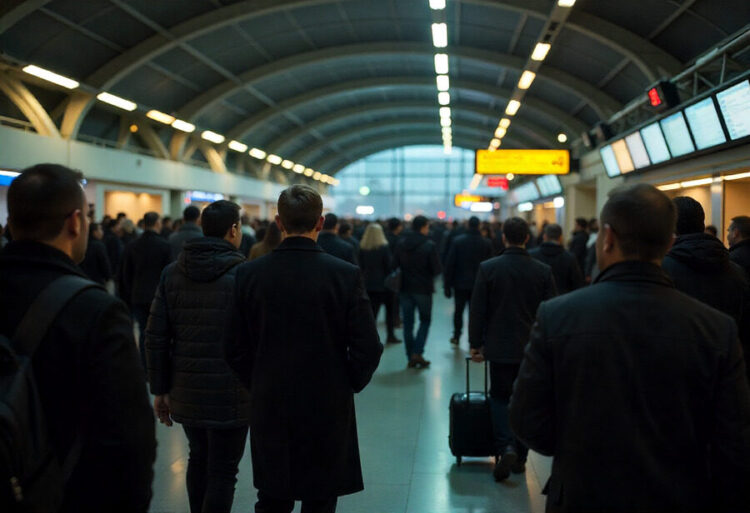
Lufthansa, Wizz Air, Air France, Virgin Atlantic, and More Cause Travel Chaos Across Europe as 1465 ...
Article Summary:
On December 15, 2025, major airlines including Lufthansa, Wizz Air, Air France, and Virgin Atlantic experienced significant disruptions across Europe, resulting in 1,465 flight delays and 73 cancellations. These disruptions affected key European cities such as Geneva, Brussels, Amsterdam, Edinburgh, and Manchester. The article highlights the impact on travel across France, the Netherlands, the UK, Finland, and Belgium, underscoring the challenges faced by the travel industry amidst ongoing disruptions.
Key Points:
Actionable Takeaways:
Contextual Insights:
The disruptions in European air travel, as reported in the article, reflect broader challenges faced by the global travel industry in managing operational complexities and external shocks. Recent trends indicate a growing reliance on technology to enhance operational efficiency and customer experience. Thought leaders in the travel sector emphasize the importance of agile operations and customer-centric strategies in navigating disruptions. The current state of the industry suggests that innovations in travel tech, such as AI and machine learning, will play a crucial role in future-proofing airlines against unforeseen challenges. By adopting these advancements, airlines can not only recover from disruptions but also enhance their competitive edge in an increasingly volatile market.
Read the Complete Article.
Boutique Travel VC raises investment cap from $1.5M to $10M to lead rounds and support portfolio companies through growth Travel...
Read moreDetails




