






















Travel Capitalist Ventures Expands Check Size to $10 Million to Deepen Emerging Market Conviction
Boutique Travel VC raises investment cap from $1.5M to $10M to lead rounds and support portfolio companies through growth Travel...
Read moreDetails
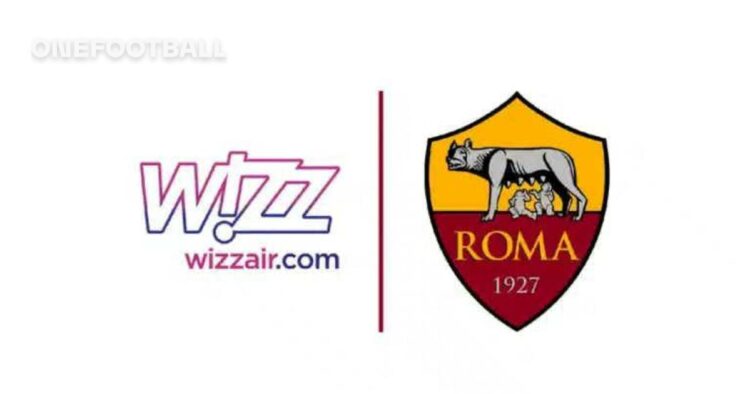
Roma to earn €3 million per season from Wizz Air partnership
Article Summary:
Roma, the Italian football club, has re-established a commercial agreement with Wizz Air as a sleeve sponsor, marking a return after the Iqoniq affair. The new deal, reported in Il Tempo, will see the Wizz Air logo on Roma’s jerseys starting from the match against Como. The agreement is set to last until June 2027, with an option to extend for another season. Financially, the deal is projected to generate revenue for Roma exceeding €3 million annually. This development comes amidst ongoing discussions and insights into travel industry trends and innovations.
Key Points:
Actionable Takeaways:
Contextual Insights:
The re-establishment of Roma’s sponsorship deal with Wizz Air underscores the resilience and adaptability of football clubs in navigating commercial challenges. This development is particularly relevant in the current travel industry context, where sponsorships and partnerships play a crucial role in sustaining club finances and enhancing their global brand presence. The €3 million annual revenue projection for Roma highlights the lucrative potential of such partnerships, suggesting that clubs should prioritize securing high-value sponsorships to offset operational costs and invest in infrastructure and player development. Furthermore, the article’s context reflects broader industry trends, such as the increasing importance of digital and social media platforms in sponsorship deals, as clubs seek to maximize their reach and engagement with fans worldwide. This forward-looking perspective emphasizes the need for clubs to embrace innovative sponsorship models that align with contemporary market trends and consumer preferences.
Read the Complete Article.
Boutique Travel VC raises investment cap from $1.5M to $10M to lead rounds and support portfolio companies through growth Travel...
Read moreDetails




